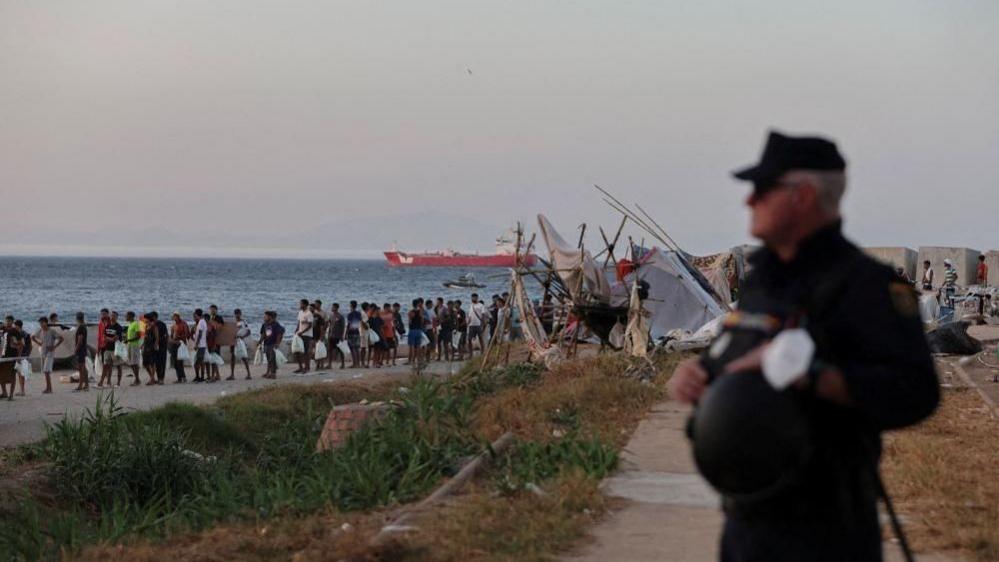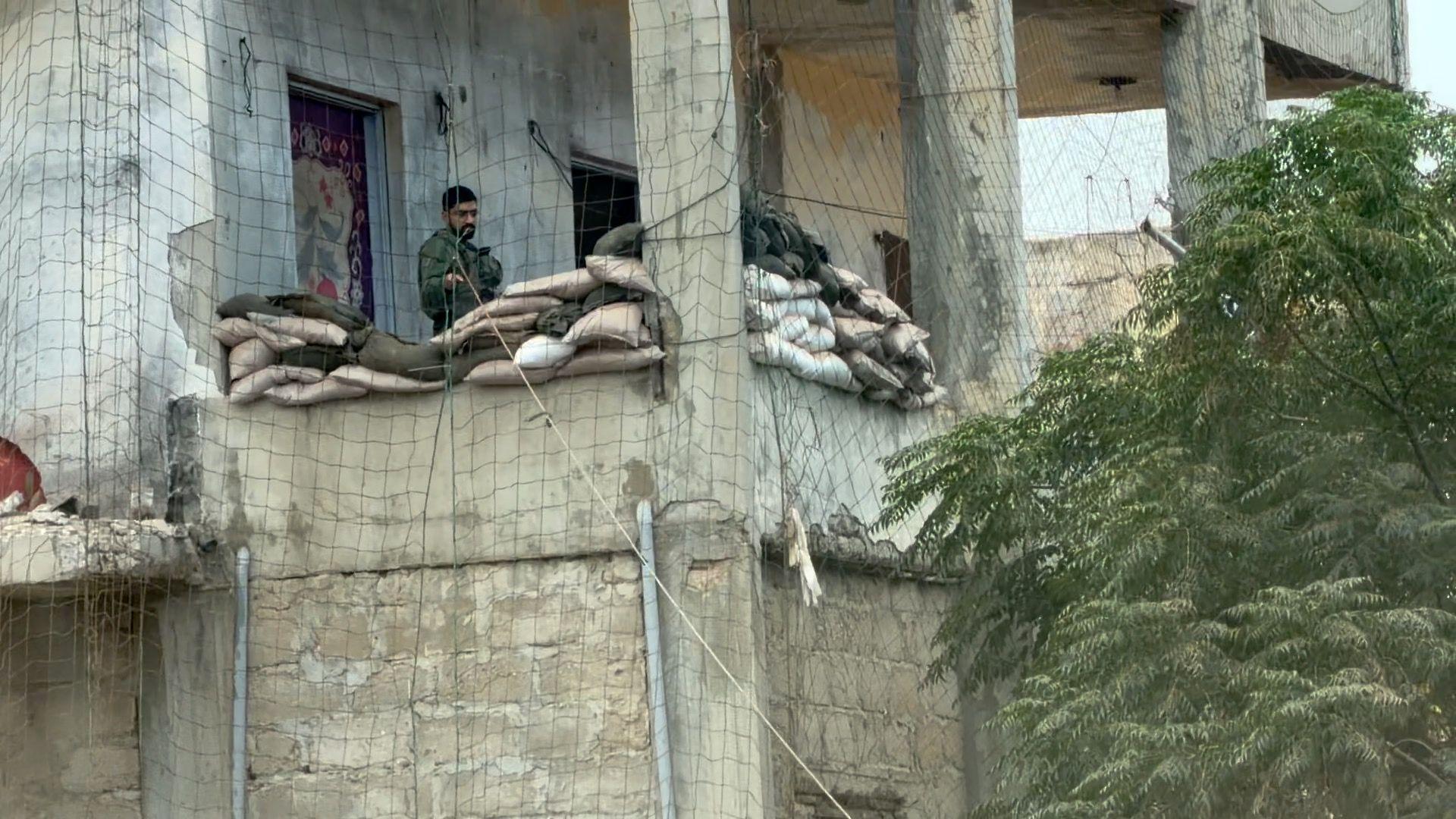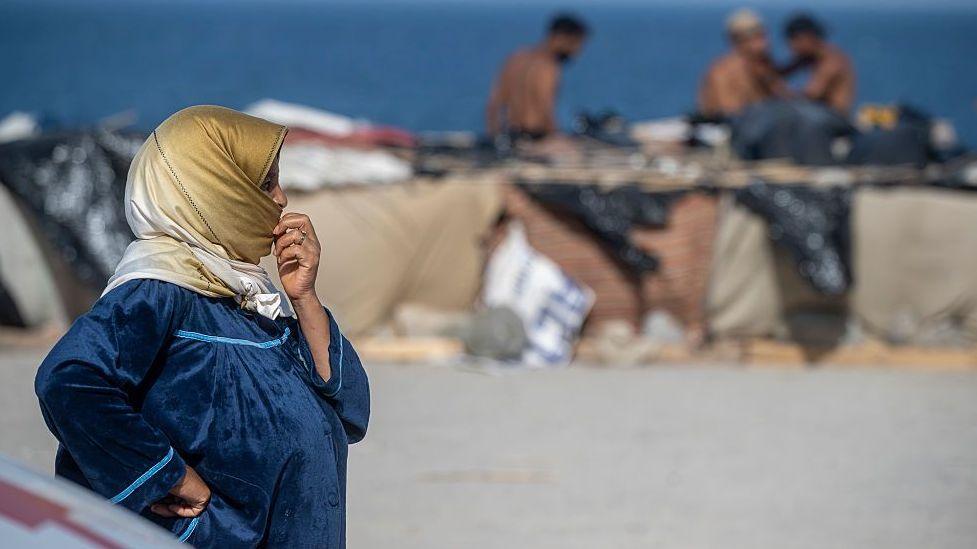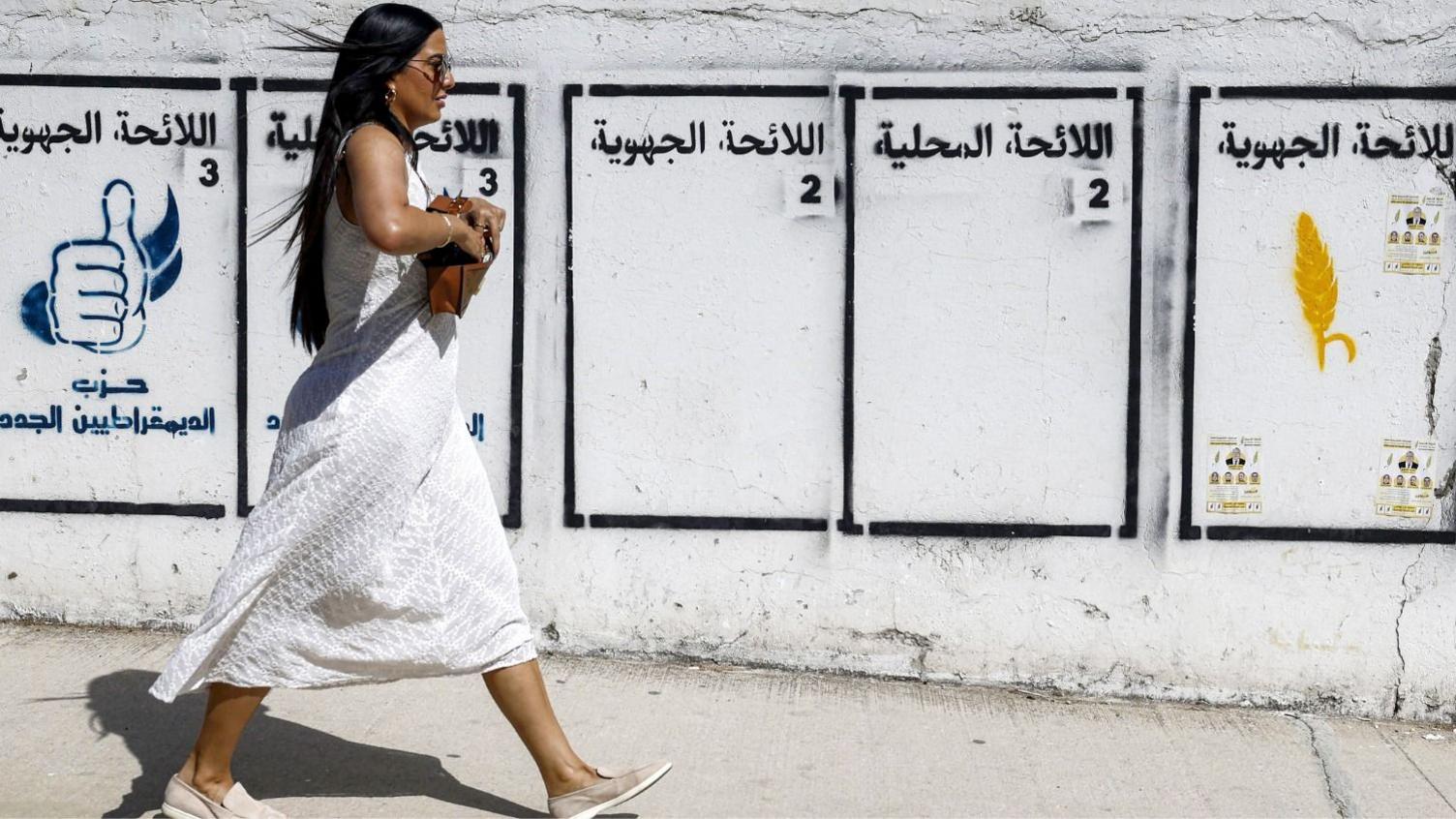
Against a backdrop of mass migration to the Spanish enclave of Ceuta and the national euphoria surrounding Morocco’s Atlas Lions football team, a generation of young voters are reshaping the political landscape of the city‑state. This summer, 60,000 Moroccans – most of them desperate for jobs and new opportunities – swam across the Strait to reach Ceuta, drawing desperate attention to the economic crisis that fuels such risky journeys.
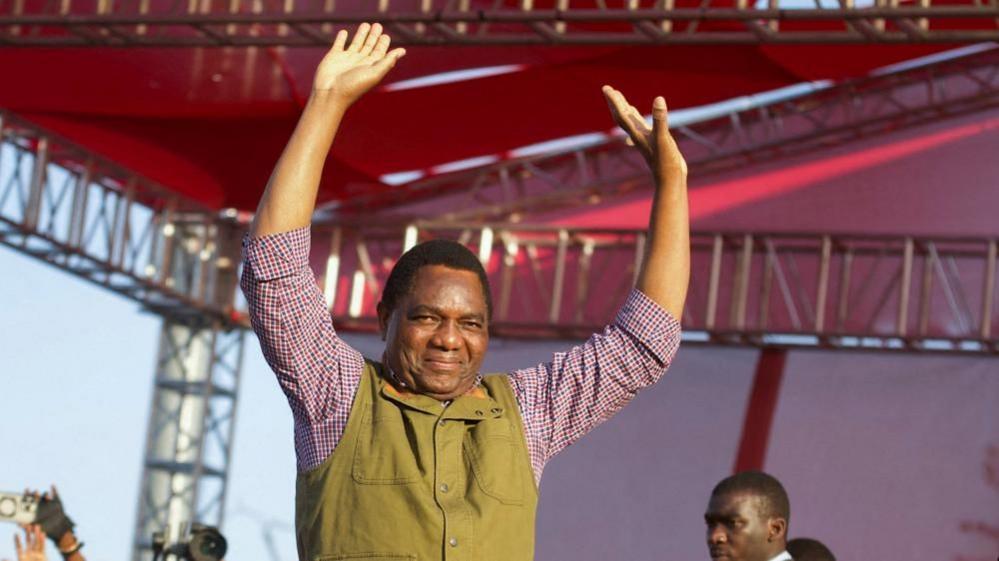
Political campaigns are tapping into the same currents of frustration: from viral football slogans echoing the nation’s 2022 World Cup success to promises of a million jobs by Prime Minister Aziz Akhannouch, to anti‑Israel rallies promised by former prime minister Abdelilah Benkirane of the Justice and Development Party. The latter insists that normalisation with Israel was a costly mistake and urges the king to disband the Israeli embassy, citing the new Israel‑Morocco diplomatic upgrade as a betrayal of the Palestinian cause.
Meanwhile, the youth‑led Gen Z protests in Tanag, Tangiers and Montreal have highlighted a generational disconnect with the status quo. Memory of the 2011 constitutional protests and the recent wave of protests over public services remains vivid, and activists stress the need for micro‑level community building before seeking national office.
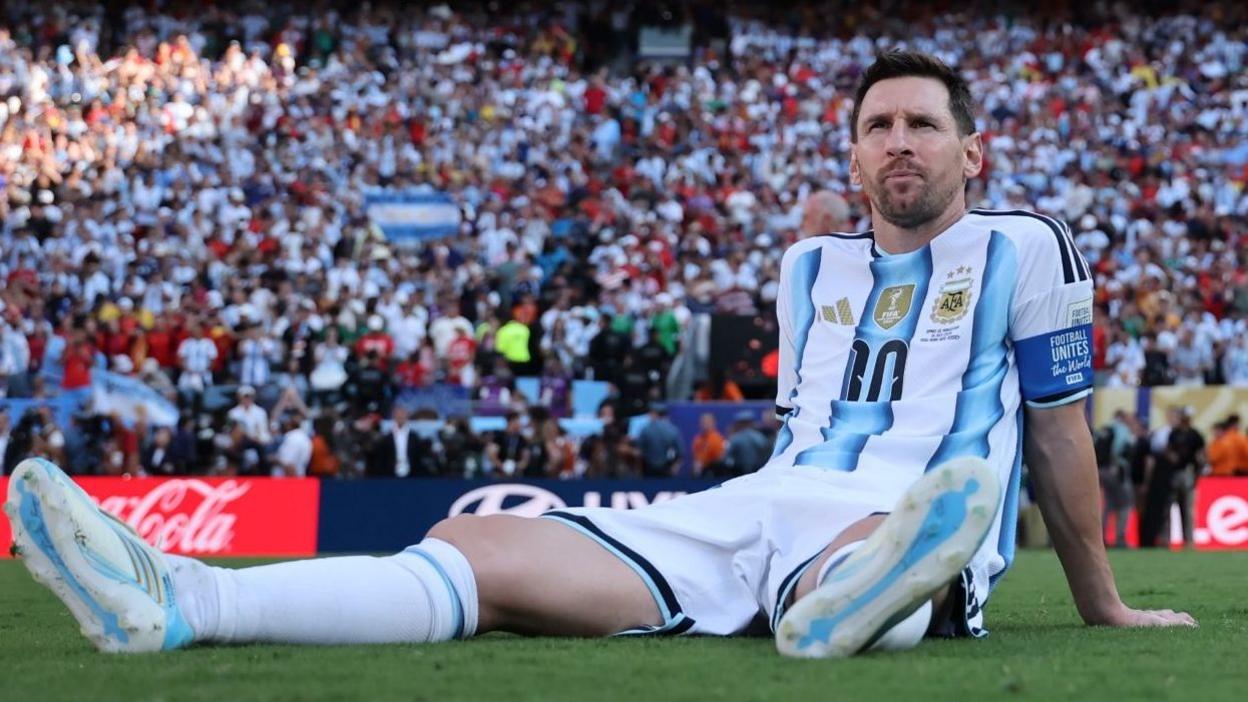
At the heart of the electoral battleground sits Fouzi Lekjaa, the head of the Royal Moroccan Football Federation and a senior minister in the finance bureaucracy. His presidential slogan, “Sir” – meaning “Go” in Moroccan Arabic – has gone viral and is joined by a pledge to lift Morocco to the top rank in world education and healthcare, mirroring the football team’s ascent.