In brief
In a dramatic move, UK Foreign Secretary Ed Miliband declared sanctions against Israeli settlements in the West Bank to block the proposed E1 development. The announcement sparked a sharp rebuttal from Israel’s Foreign Minister Gideon Saar, who vowed to close the UK consulate in Jerusalem. BBC’s Middle East correspondent Lucy Williamson reports from Ma‘ale Adumim, an existing settlement overlooking the contested E1 site. The protest comes amid calls from the UK to deter further settlement expansion and an accusation of “ethnic cleansing” by settler‑terrorists. Netanyahu’s government faces diplomatic fallout as the UK’s potential import bans risk escalating tensions between the two nations.
UK Threatens Sanctions Over Israel's E1 Settlement Plans
Britain’s foreign ministry announced a bold new front in the Israeli‑Palestinian dispute: a ban on importing goods from Israeli settlements deemed illegal under international law. The decision, unveiled by Foreign Secretary Ed Miliband in a pre‑recorded address to Parliament, is aimed at halting the construction of a large residential block at the West Bank’s highly contested E1 junction.
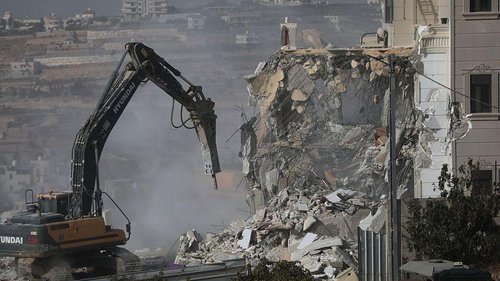
E1, a narrow neck where the main A1 road through the West Bank would pass, represents the last corridor that could link Israeli settlements north of the Jordan River with those south of Ramallah. The proposed development would add 1,200 homes on land already leased by the settlements and would effectively deepen the Israeli grip on the area.
BBC’s Middle East correspondent Lucy Williamson recorded on‑scene reports from Ma‘ale Adumim. The settlement sits on a hill overlooking E1 and has already drawn criticism for its expansion, with Israeli officials refusing to condemn the new house‑block proposals. The situation is tense, with “ethnic cleansing” accusations echoing from UK hammers and the Israeli government’s aggressive counter‑rebuttal.
In response, Israel’s Foreign Minister Gideon Saar challenged Britain, threatening a curtailment of diplomatic services with a potential closure of the British consulate in Jerusalem. He described the sanctions as an act of hostility and urged listeners across Europe to consider the broader implications of interfering in Israeli domestic policy.
The UK’s plan is set to enter the market on the international stage, bringing new legal hurdles for businesses that sell products linked to West Bank settlements. The move also signals an increased willingness to use economic leverage in the delicate geopolitical environment of the Middle East.
How this showdown will affect peace negotiations and regional stability remains uncertain. Both sides are now further entrenched, and the immediate diplomatic fallout could ripple across global trade networks and in the hearts of Middle‑East actors. Monitoring continues as officials from both governments prepare to steer a volatile path that may either fracture a longer peace strategy or forge new diplomatic resolve.