Swiss voters reject stricter neutrality in referendum
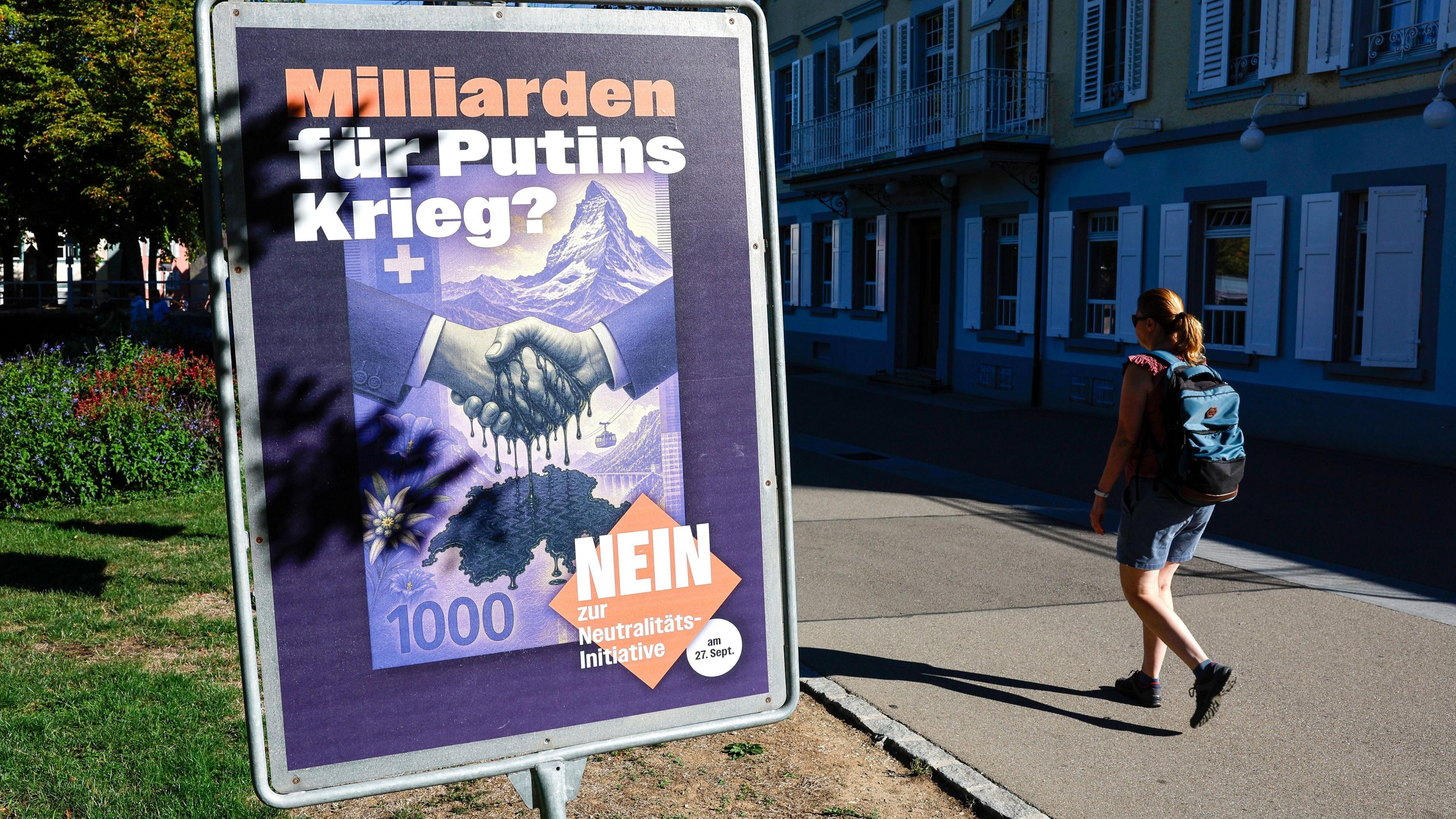
In a surprising turn, more than seventy percent of Swiss voters turned down a stricter interpretation of the country’s historic neutrality. The measure, which would have required the United Nations to approve any sanctions and barred closer ties with NATO, was defeated in a direct vote that showcases Switzerland’s enduring tradition of public participation.
Backed by Moscow and the right‑wing Swiss People’s Party, the proposal was opposed by the federal government and all other major parties. The result sends a clear message that the Swiss electorate is willing to take a stand against Russia’s invasion of Ukraine while maintaining neutrality’s core principles.
Experts such as Lukas Golder, co‑director of the research institute Gfs.bern, told the Swiss public broadcaster SRF that voters were not rejecting neutrality itself, but instead affirming support for sanctions against Russia. “People have a clear idea of what Switzerland’s neutrality is supposed to achieve,” Golder said.
Foreign Minister Ignazio Cassis, during a recent televised debate, emphasized that neutrality is applied with flexibility and does not equal indifference. He noted that Switzerland will not look away when international rules are violated, even as it refuses to lift bans on arms sales to conflict zones, including Ukraine.
Switzerland’s neutrality was formally secured at the 1815 Congress of Vienna and codified by the 1907 Hague Convention, which forbids the country from supplying weapons to warring parties. The nation has a record of balancing neutrality with humanitarian responsibilities, exemplified by its handling of refugees and gold from the Nazi era.
The outcome of the referendum illustrates the power of direct democracy in shaping Swiss foreign policy and demonstrates the country’s willingness to stand up for international norms while preserving its neutral identity.