Neutral Ground, No Away Fans: Israel vs Ireland Sparks Debate
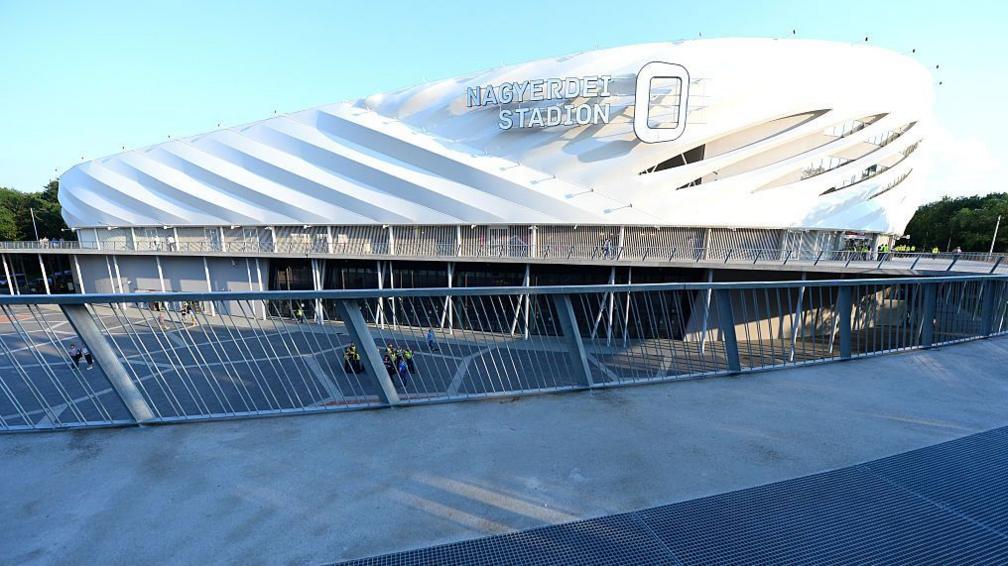
A UEFA Nations League match between the Republic of Ireland and Israel will take place on Sunday at a neutral stadium in Debrecen, Hungary. The venue choice follows a long‑standing debate over safety and politics, and the Irish football federation decided to move the game out of Dublin after a split—75 votes to play, 32 to boycott—was registered by the association’s delegates.
No tickets have been offered to Irish fans for either the ‘home’ or the ‘away’ fixtures. In addition, RTE’s coverage on Irish television has been pared down dramatically: the broadcast will run without commentators, pundits or half‑time analysis. The decision reportedly aims to minimise the risk of protests turning violent or damaging the facilities.
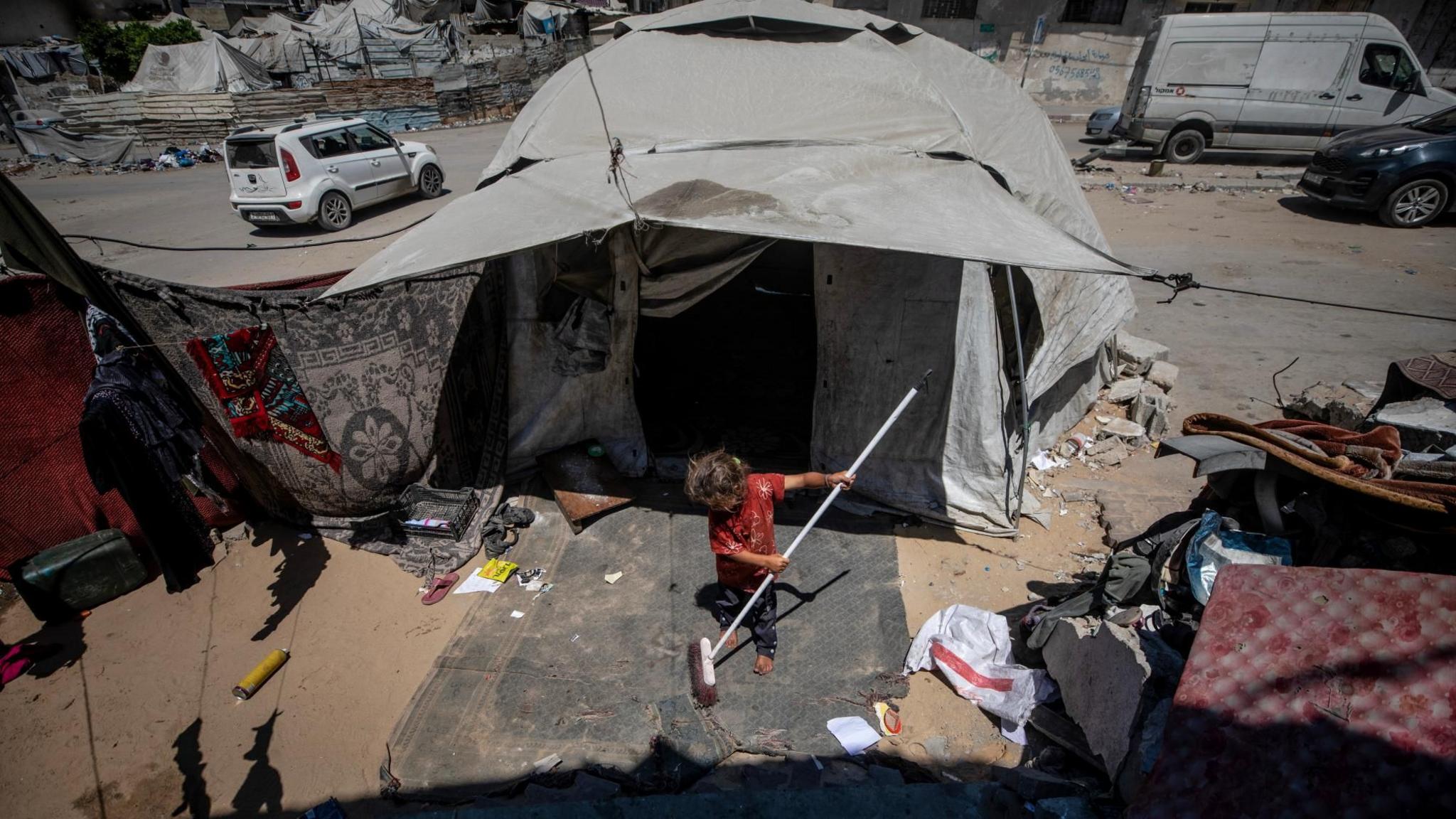
The clash is held against a backdrop of the ongoing Gaza war. The Republic of Ireland was one of the first European governments to formally recognise a Palestinian state in May 2024, and it has taken a stand in international forums calling Israel’s actions a violation of international law. Support for Palestinian civilians is deeply ingrained in Irish society, reflected in the country’s history of boycotts and diplomatic pressure.
Hungary has been chosen as a suitable host because of relatively stable diplomatic ties with Israel and because it can provide reliable policing and security. In recent years, Israel has repeatedly used four‑tier stadiums in Budapest for home fixtures and has taken to playing “neutral” matches in Hungary to avoid domestic pressure. The debate over the venues has parallelled other national decisions: Belgium in 2024 refused to host an Israeli team at home, and the Norwegian Football Association called for a full ban of Israeli clubs from European competitions.
In league matches, fans of Irish clubs will sit out for safety: the stands at the Nagyerdei Stadion in Debrecen are expected to be empty for the match against Israel. The use of a remote Serbian town—Backa Topola—as a temporary ‘home’ venue for the Republic also illustrates the given complexity, because Serbian government officials have described Israel as a “strategic partner” with which they maintain arms deals.
Despite the move to neutral sites and the removal of away support, public sentiment remains lit. A coalition of high‑profile Irish athletes—including boxer Tyrone McKenna and former European champion Ciara Mageean—signed an open letter urging a boycott. The debate extends to other sectors: Ireland has also banned goods from Israeli settlements, issued travel bans on Israeli ministers, and stopped participating in Eurovision when Israel continued to be a contestant.
Amnesty International’s recent statement criticised UEFA for giving Israel a stage instead of attaching clear consequences. While there were discussions about a boycott or sanction, the international business interests involved, and potential FIFA sanctions for refusal, the definitive decision leans toward holding the match with significant restrictions.
The story continues as UEFA prepares to weigh potential bans and the broader ramifications for international club competition. Whether this match will reinforce the perception that sport can remain neutral amid political uproar remains a question for fans, politicians and journalists alike.