Spanish Parliament Rejects Housing Decrees, Sparking Calls for Snap Election
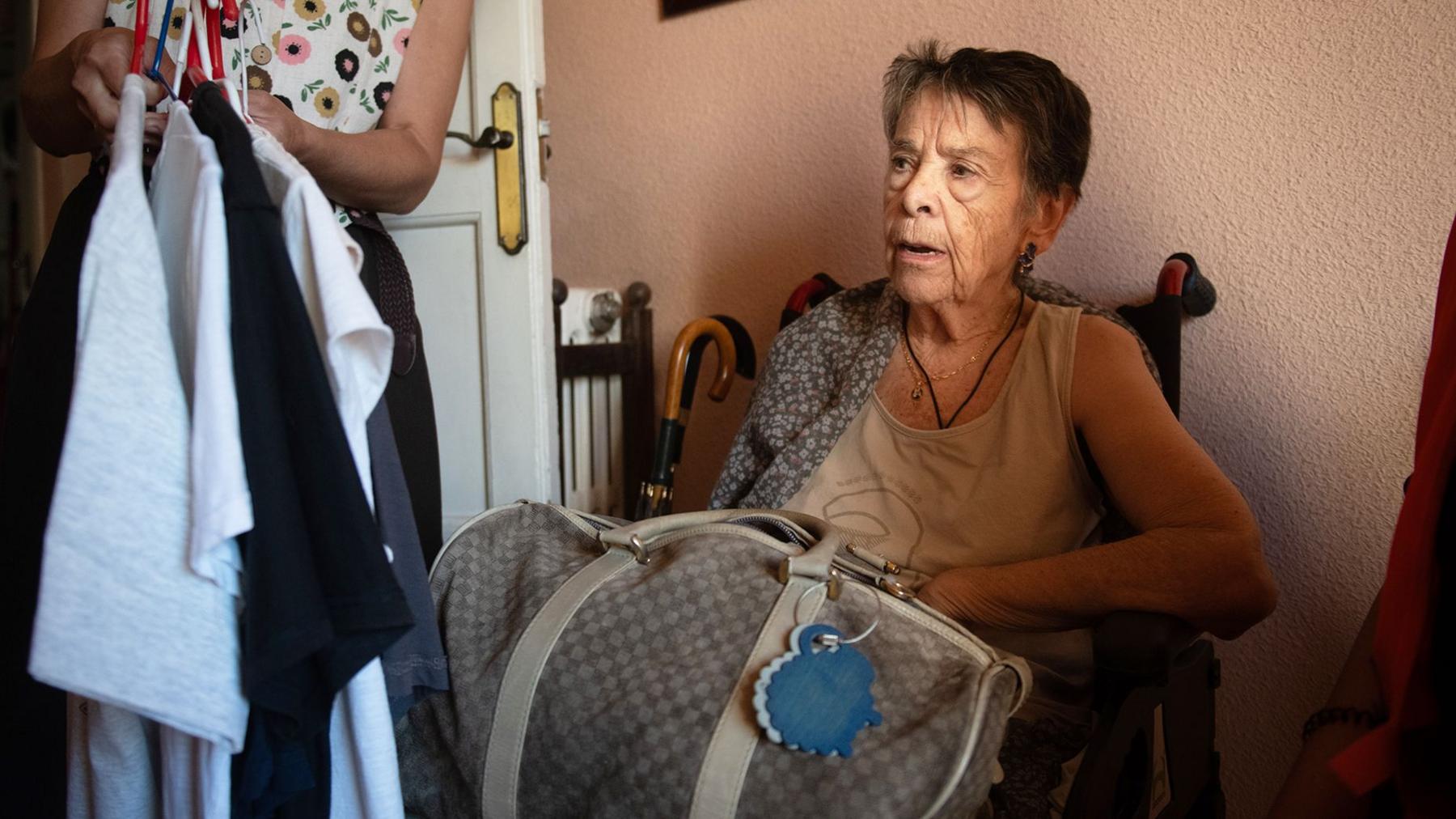
Spain’s Congress delivered a bracing defeat to Prime Minister Pedro Sánchez’s housing agenda when it rejected two decree‑laws aimed at protecting tenants, following the eviction of 87‑year‑old Maricarmen Abascal. The vote, held on the 2nd of October in an extraordinary session at the Congress of Deputies, left the minority government with its policy plans stalling and the prospect of a snap election growing louder.

The decree‑laws had been drafted by the ruling Sumar coalition to calm the housing crisis that has escalated in the last few years. They included a suspension of evictions of vulnerable tenants until 2030, a two‑year extension for leases due to expire before 2028, higher taxes on tourist apartments and a ban on “vulture” fund purchases of residential properties. The second measure, more controversial, automatically renewed rental contracts, a demand that had gained traction in tenant circles.
Lawmakers rejected the first decree by 178 votes to 172 and the second by 184 to 166. The coalition’s small majority was lost, and the opposition from the conservative People's Party and far‑right Vox—already against both measures—confirmed the vote’s outcome. Moreover, the centre‑right pro‑independence bloc Together for Catalonia signalled its opposition on the eve of the session, further undercutting Sánchez’s chances of winning.
Hundreds of protesters gathered outside the Congress, chanting “shame on you” and “your profits, our misery” as the votes were announced. The image of an 87‑year‑old woman being evicted from her Madrid flat had ignited a nationwide wave of demonstrations that pressed home the urgency of the housing crisis. Despite the government's attempts to negotiate a lower rent with the rental company Urbagestión, the protests continued, with tenants occupying squares, pitching tents and planning further marches.
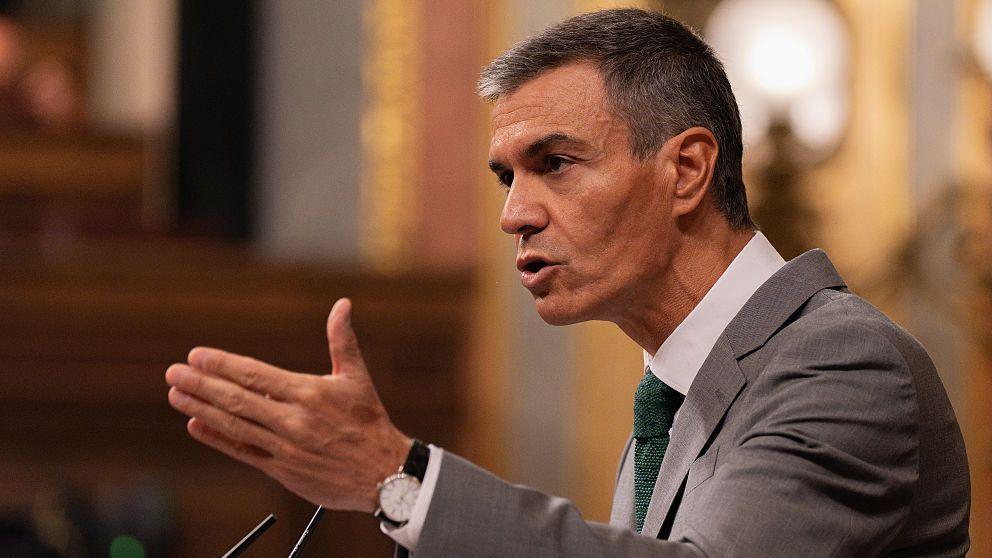
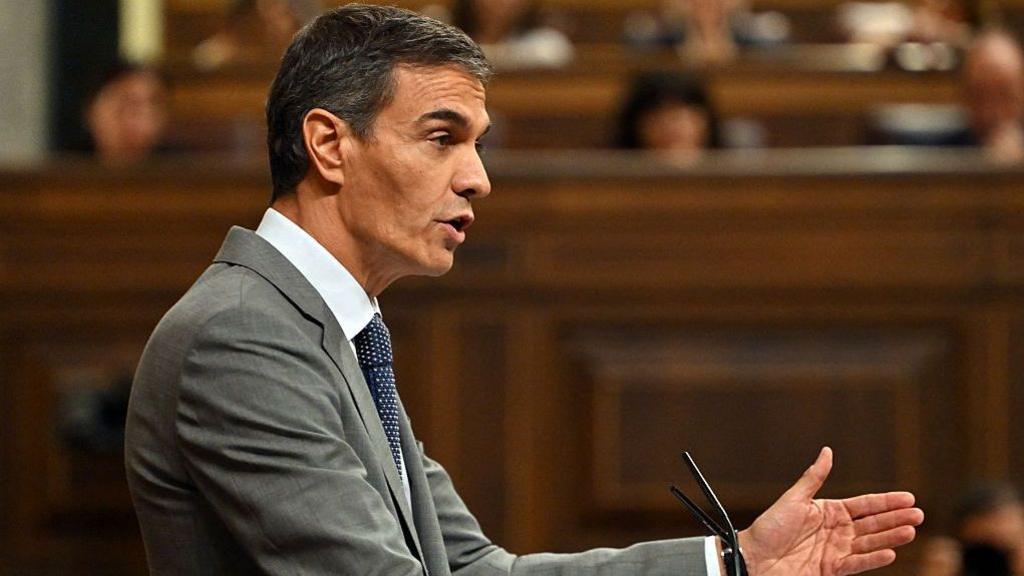
Sánchez, who had already faced criticism for corruption scandals affecting his Socialist Party and allies, tried to rally support during the session. “I don’t ask you, I beg you to be brave and consistent,” he pleaded to the chamber, framing the decrees as essential for society’s wellbeing. He also appealed to lawmakers to “put order and humanity into the housing market” before it spirals into collapse.
The social affairs minister, Pablo Bustinduy of the Sumar coalition, described the vote as a stand against an international oligarchy that extracts rent from workers’ wages. Meanwhile, Miriam Nogueras from Together for Catalonia warned that the hastily drafted decrees would enable “vulture” funds to keep speculating and evictions to persist, arguing they were more likely to provoke the opposite effect of their intentions.
The defeat sent shockwaves through the Spanish political landscape, placing Sánchez on the brink of a premature dissolution of parliament. Sources told the media that the government would use the weekend to decide whether to call an early general election, which was scheduled for next summer. The uncertainty over the housing policy and the looming possibility of an election has intensified the pressure on the prime minister to consolidate his base and forge new alliances.
With the housing crisis still unresolved and the national mood frayed, Spain’s future political orientation will hinge on whether Sánchez can salvage his coalition’s credibility or whether the electorate demands a new mandate. As Madrid’s streets are still alive with protest, the debate over housing policy has shifted from the corridors of Parliament to the very rooms people call home.