In brief
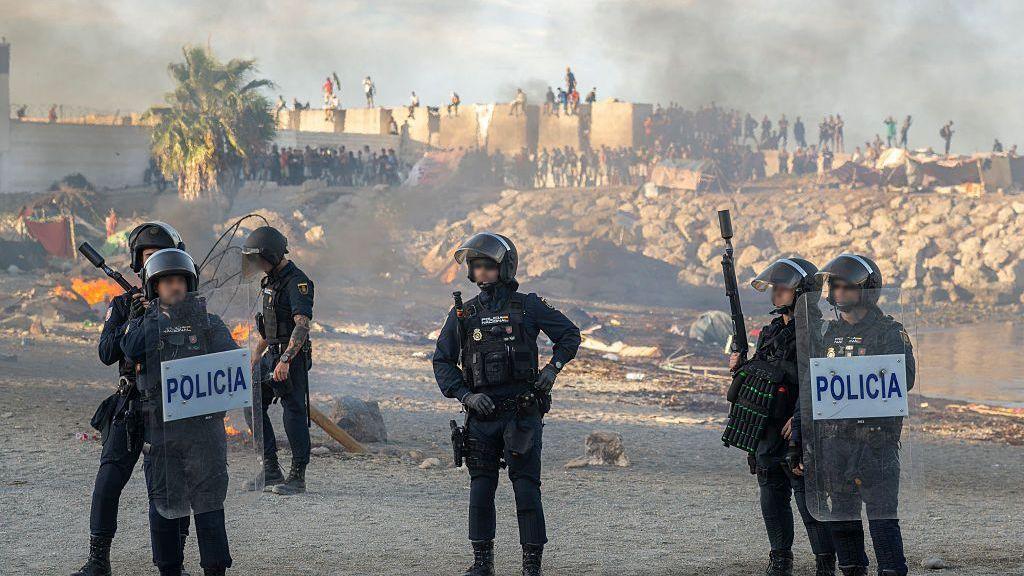
A month after tens of thousands of migrants crossed from Morocco into the Spanish exclave of Ceuta, violence erupted as locals protested the sudden surge. The Spanish government faces criticism for not managing the crisis, while the mayor condemns the attacks and calls for normality. Demonstrations have escalated from peaceful protests to arson and clashes, with police involvement and security concerns for journalists. The political fallout includes calls for calm, accusations of stigmatisation, and debates over moving migrants into public buildings to process their status.
By Guy Hedgecoe, Reporting from Madrid
A month after tens of thousands of migrants entered the city of Ceuta, a Spanish exclave in North Africa, tensions between locals and foreign arrivals have spiked.
The Spanish government has come under fire from opposition parties for a perceived lack of effective crisis management. Residents in Ceuta report feeling unsafe and burdened by the influx, with many newcomers—especially children—sheltering on beaches or in the streets.
On 30‑31 July, at least 72,000 migrants crossed from Morocco, many swimming past a border fence and at least 100 losing their lives during the mass movement, according to Ceuta’s mayor. While most returned to Morocco quickly, several thousand remain in the city, with migration camps igniting in recent days.
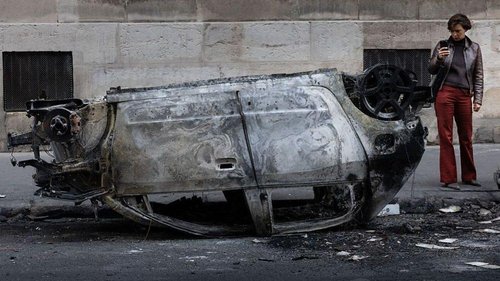
Earlier protests were largely peaceful, but violence has intensified. By Thursday, locals blocked Red Cross personnel from delivering aid, set fire to migrant camps on Trampolín beach, and clashed with police. These incidents followed the arrest of 12 migrants accused of stoning a military vehicle.
Journalists and film crews have reported threats and intimidation. “This is a city under pressure … it has the right to normality,” said Ceuta’s mayor, Juan Jesús Vivas, on Antena 3 television, adding, “The dignity of Spain is at stake.”
Political Backlash
The Pedro Sánchez government has urged calm and blamed the People's Party and far‑right Vox for fueling tensions. Vox congressman José María Figaredo faces a hate‑crime investigation after urging migrants be “hunted down.” Interior Minister Fernando Grande‑Marlaska criticised stigmatising rhetoric that divides society.
PP representative Javier Celaya accused the government of treating “invaders” as victims while local citizens remain disadvantaged. All parties in Ceuta’s local assembly signed a declaration condemning violence on Friday.
The central government has taken over management, overriding local authority after criticism of a sluggish response, and Defence Minister Margarita Robles apologized for feelings of abandonment amid plans to overhaul immigration laws.
Government plans to house migrants in public buildings, such as sports centres, to process their status have met opposition. Critics fear this may bring arrivals nearer to residential areas.
Inquiries into who orchestrated the mass crossing persist. While the right alleges Morocco’s involvement, the Pedro Sánchez administration blames traffickers and stresses Morocco’s role in returning most arrivals. The crisis puts Ceuta and Melilla’s sovereignty under scrutiny, as Morocco reaffirms territorial claims.
Foreign Minister José Manuel Albares rejected Moroccan comments, stressing Spain’s territorial integrity and refusing to engage in dialogue on the issue.