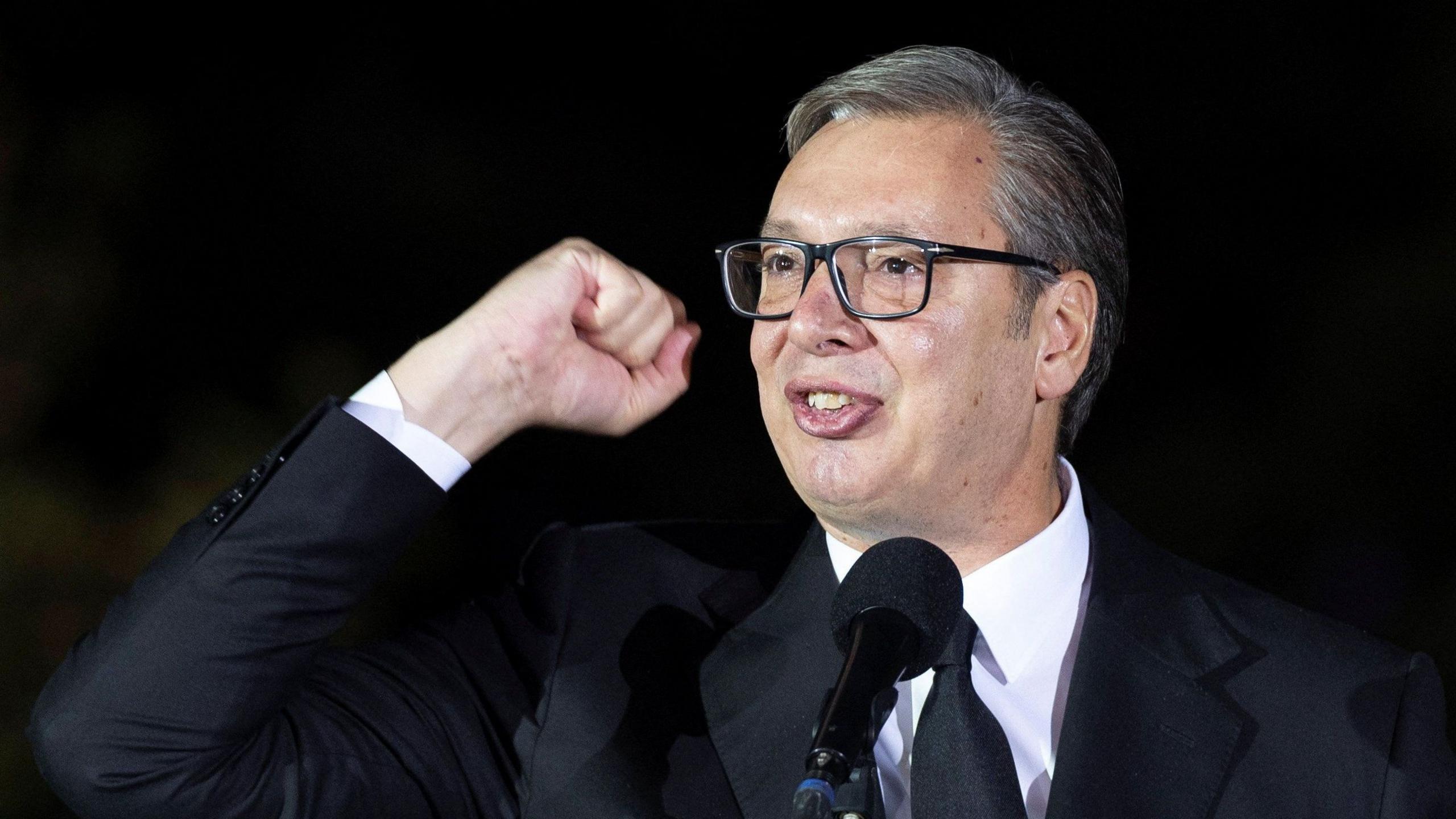
Serbian President Aleksandar Vučić Resigns Amid Ongoing Protest Wave

Serbia's president has resigned following more than a year of student-led protests and growing discontent over alleged government corruption.
Vučić said his administration preserved peace and stability during his nine-year tenure as he addressed supporters outside the presidential building in Belgrade.
He had announced his intention to resign in June and is now seeking his party's nomination for prime minister in the upcoming parliamentary elections. Constitutionally, Vučić cannot run for a third presidential term.
The populist leader's administration has been marred by anger over alleged corners cut in public projects, most notably the collapse of the Novi Sad railway station roof that killed 16 people in 2024—an event that first galvanized public outrage.
Protesters—from students and teachers to workers and farmers—continued demonstrations, citing the incident as a symptom of a decade of questionable leadership by the Progressive Party. Subsequent resignations of officials failed to quell the unrest, which escalated in the summer amid accusations of police brutality.
Vučić's presidency was due to expire next year. Under the constitution, presidential elections must take place no later than three months after his resignation, meaning Serbians will face two votes before year‑end.
He has earlier indicated plans to run in the snap parliamentary election in late October, after the protests demanded a new vote. If elected, he could remain at the top of Serbian politics. Until a new president is chosen, Parliament speaker Ana Brnabič will serve as interim president.
Using his constitutional powers, Vučić pardoned 49 individuals—including 23 students and loyalists related to the “terrible events” of the past year and a half—according to Serbian broadcaster RTS.
The parliamentary elections will pit the Progressive Party against the student-led anti-corruption movement Students Win and the pro-Western opposition coalition European Serbia.
Vucic has been a fixture of Serbian politics for more than a decade, becoming prime minister in 2014 before being elected president in 2017. He has publicly said he wants Serbia to join the EU while maintaining ties with Russia and seeking Chinese investment.