Swiss voters reject a stricter neutrality rule
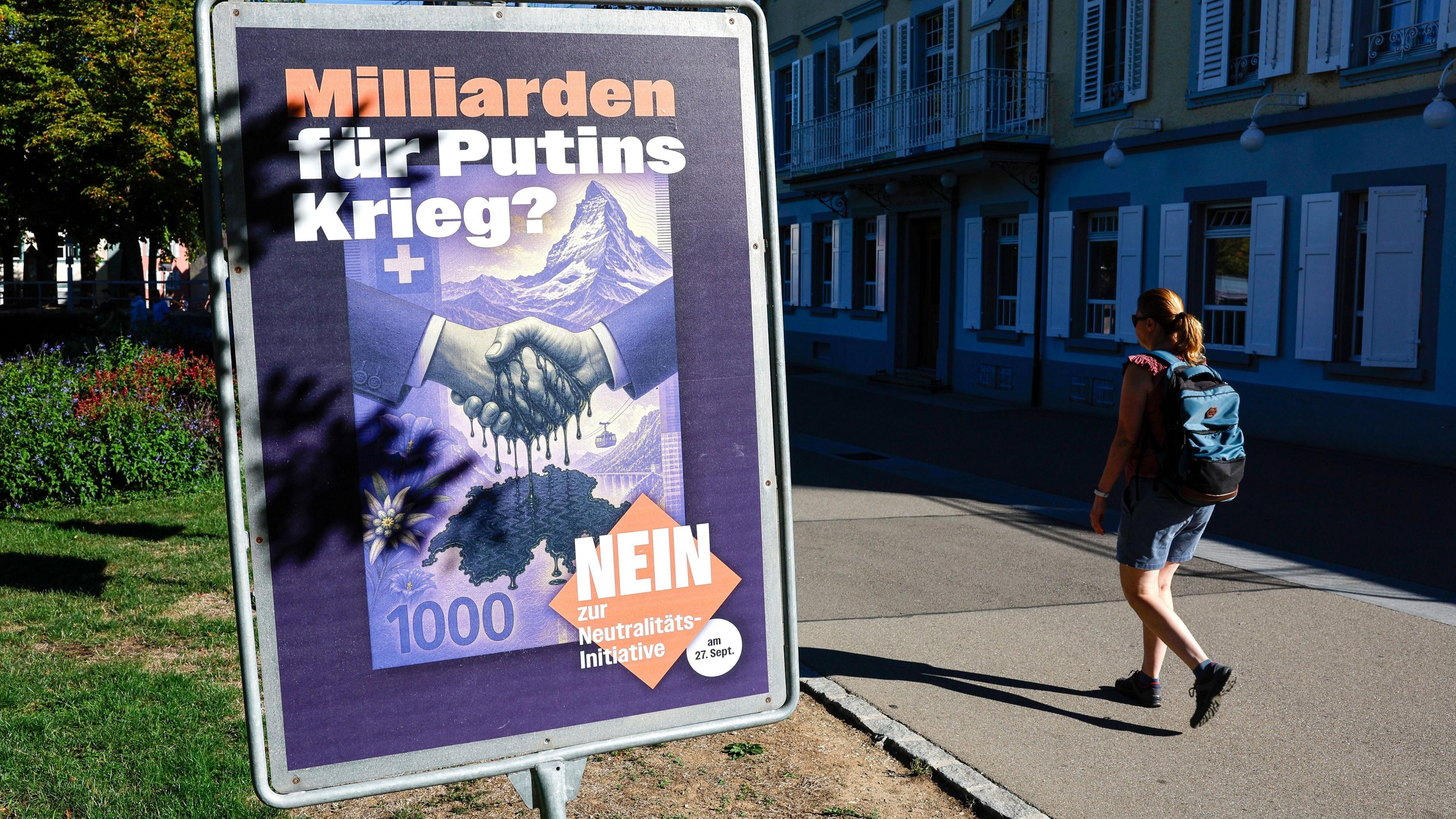
The Swiss electorate cast a majority against a proposal that would have restricted the nation’s ability to impose sanctions without UN approval and would have impeded closer ties with NATO.
More than 70% of voters turned down the draft law, according to official results.
The initiative received backing from Russia and the right‑wing Swiss People’s Party, while the federal government and all other major parties opposed it.
Swiss research leader Lukas Golder told the public broadcaster that voters did not reject neutrality itself but signalled support for sanctions against Russia.
Foreign Minister Ignazio Cassis described neutrality as a flexible concept that does not mean indifference, emphasizing that Switzerland will not ignore violations of international rules.
Switzerland’s status as an eternally neutral country was first established at the Congress of Vienna in 1815 and codified by the 1907 Hague Convention, which forbids supply of arms to warring parties.
The nation has historically maintained its neutrality through both world wars, including refusing German ammunition for Ukrainian tanks and refusing to sell weapons to conflict‑zones; it has also faced criticism for past policies during the Nazi era and issued apologies in the 1990s.
Direct democracy means major policy shifts often require a public referendum, a practice that has shaped the country’s modern political landscape.