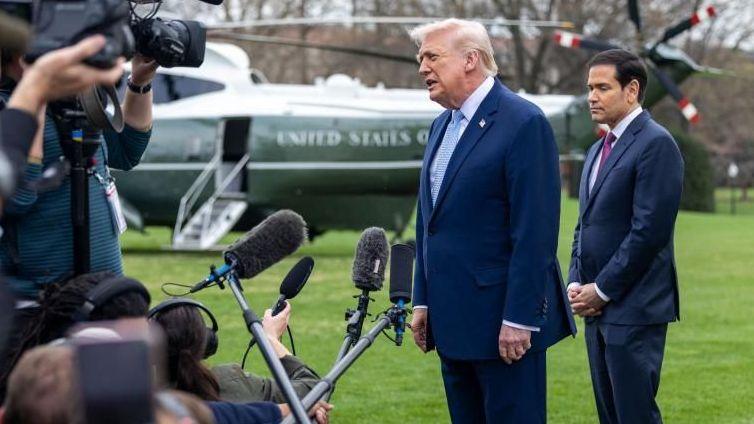
Donald Trump on Saturday rejected Iran's proposal to reopen the Strait of Hormuz, insisting the U.S. has "total control" and the deal was unacceptable.
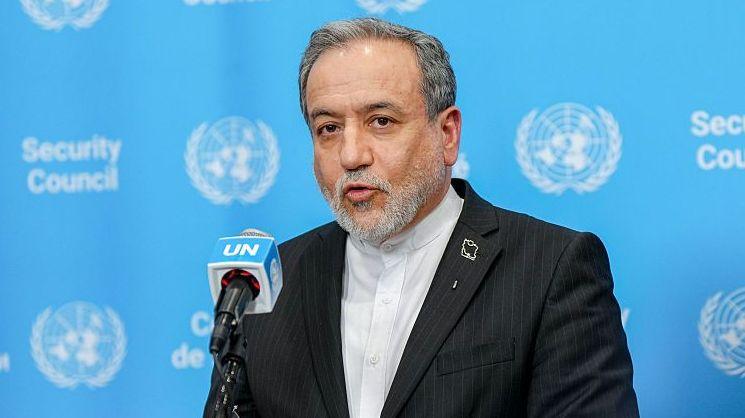
Iranian Foreign Minister Abbas Araghchi, posting on Telegram, acknowledged the rejection and said Tehran will wait for a definitive U.S. response before deciding on the conditions outlined in the June memorandum of understanding.
Araghchi added that Iran has already raised the issue of reopening the strait and ending hostilities at the UN General Assembly in New York, and that the waterway, closed since February, carries about a fifth of global oil traffic.
President Masoud Pezeshkian, meanwhile, criticised the U.S. for "tore up" the MOU when bombing resumed, demanding that the U.S. prove it does not intend to overthrow Iran's government.
Oman, acting as an informal mediator, urged all parties to keep dialogue open and to work through the MOU in stages.
U.S. officials, including Ambassador Matthew Whitaker and Treasury Secretary Scott Bessent, defended the rejection as part of a broader economic blockade, dubbed "Operation Economic Outcast," and warned that sanctions would pressure Iran but called the effectiveness uncertain amid continued Chinese oil trade.
The dispute has already affected regional shipping lanes, with increased oil prices and stricter flight restrictions on Iranian carriers imposed by Turkey, Oman and the UAE.