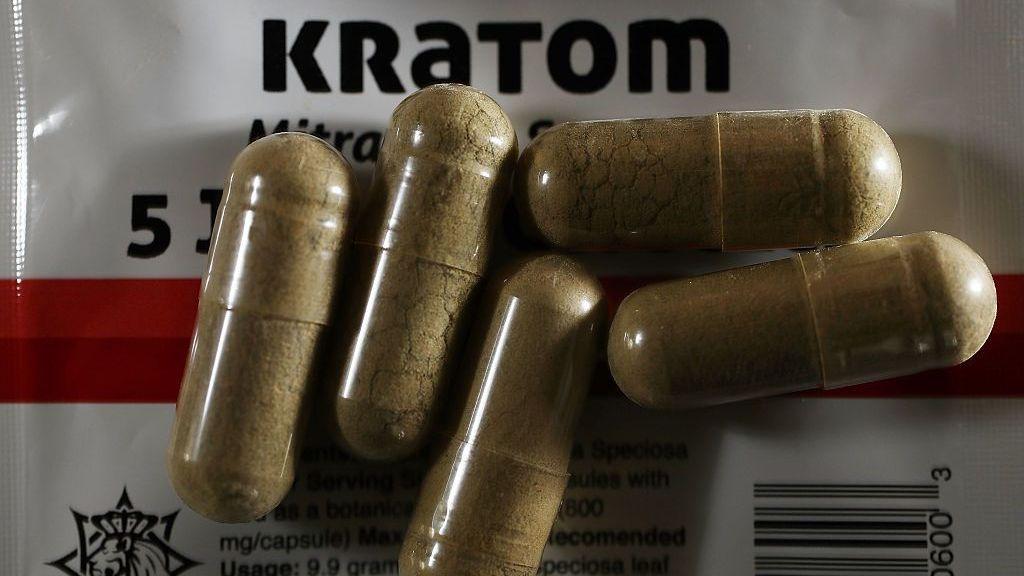
Kratom: The ‘Gas Station Heroin’ Under Scrutiny in the U.S.

Jeffery Deaver, a 58‑year‑old timber worker from Washington state, began taking kratom four years ago to ease severe hip and knee pain. After struggling with doctors and awaiting surgery, the herbal remedy offered him relief, turning his life back into a routine of sleep and everyday functions. Stories like Deaver’s echo in a larger trend of U.S. citizens turning to kratom for pain, anxiety or an alternative to prescription opioids.
What Is Kratom?
Originating from Southeast Asia and long used as a stimulant, kratom’s leaves are ground to make tea or brewed into liquid. Since its 2016 entry into the U.S. drug market, it has been offered in pills, powders and ready‑to‑drink beverages. In the United States the product falls under the “supplement” category, sidestepping federal regulation and leaving consumers to trust brands that routinely appear beside fuel pumps and vape shops.
Uses and Market Trends
Kratom is marketed as a safe, natural aid for pain, anxiety and depression. Low doses provide a mild stimulant buzz, while higher amounts bring opioid‑like euphoria and a reported ability to curb severe opioid addiction. These mixed claims drive its popularity, yet the market’s lack of standardized dosing creates uncertainty about potency and purity.
Potential Dangers
Scientists warn that high doses can induce hallucinations, severe central nervous system depression and, in extreme cases, cardiovascular collapse and respiratory failure. Addiction emerges quickly; reports of users consuming up to 20 pills daily illustrate the growing tolerance. Withdrawal symptoms add another layer of social and economic strain, with some individuals losing employment or accruing months‑long debt.
Legal Landscape
Kratom remains legal in most U.S. states, but eleven states have banned it outright, including Alabama, Arkansas, and Wisconsin. In 2025 the Drug Enforcement Agency (DEA) attempted to schedule the herb as a Schedule‑1 drug, yet the move stalled after significant public opposition. As a result, state governments, led by places like Arizona, have begun to litigate against manufacturers, demanding tighter controls and labeling.
The recent discovery of packaged kratom at the scene of two university student deaths, while not directly linked to the fatalities, has spurred officials to issue cautionary warnings. Experts emphasize that the absence of federal regulation makes it impossible to assure users of product consistency or safety.
As the debate over kratom’s place in American society intensifies, health professionals, lawmakers and advocates continue to call for research, clearer labeling and robust regulatory frameworks. The outcome of these efforts will shape how consumers can safely access the herb and whether it will remain a ‘gas station heroin’ or a medically‑regulated prescription aid.