Netanyahu defends Israel’s military actions, sparking debate over ICC warrants
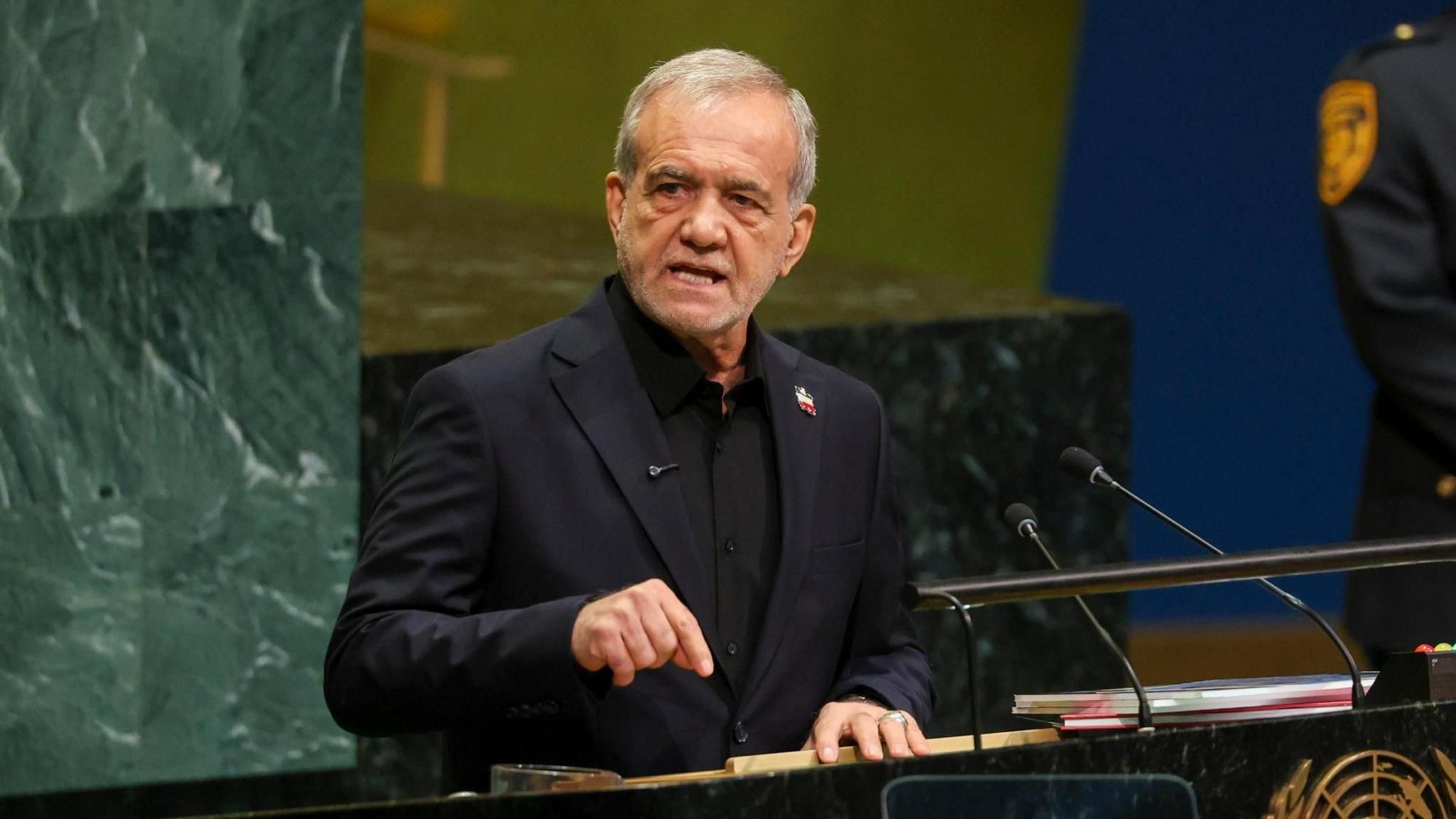
On 24 September, Israeli Prime Minister Benjamin Netanyahu addressed the United Nations General Assembly. He outlined Israel’s latest military operations in the Middle East, including movements in Iran and Gaza, while the country faced an international arrest warrant issued by the International Criminal Court (ICC) for alleged war crimes.
The ICC, whose mandate is to prosecute serious international crimes, had issued a warrant that remains in effect at the time of Netanyahu’s U.S. visit. Yet the Israeli leader was not detained upon arrival in Washington, underscoring the complex interplay between international law and national diplomatic practices.
Why might a head of state evade arrest? Diplomacy offers certain immunities: officials traveling on a state visit are typically shielded from prosecution in the host country, and many nations reserve the right to refuse extradition for highly‑ranked officials. The ICC’s directives, however, rely on cooperation from member states—if a country chooses not to comply, the warrant’s enforcement can stall.
The incident highlights a broader question for international justice: how can the ICC have true enforcement power when powerful leaders and their governments can sidestep local law through diplomatic norms? In this instance, U.S. officials opted not to arrest Netanyahu, leaving the ICC’s mandate in limbo while it continues to pursue other cases.
For more on the ICC’s work and the legal intricacies of diplomatic immunity, visit BBC News features on international law.