Barcelona’s La Merce festival stages a historic China‑Spain showcase
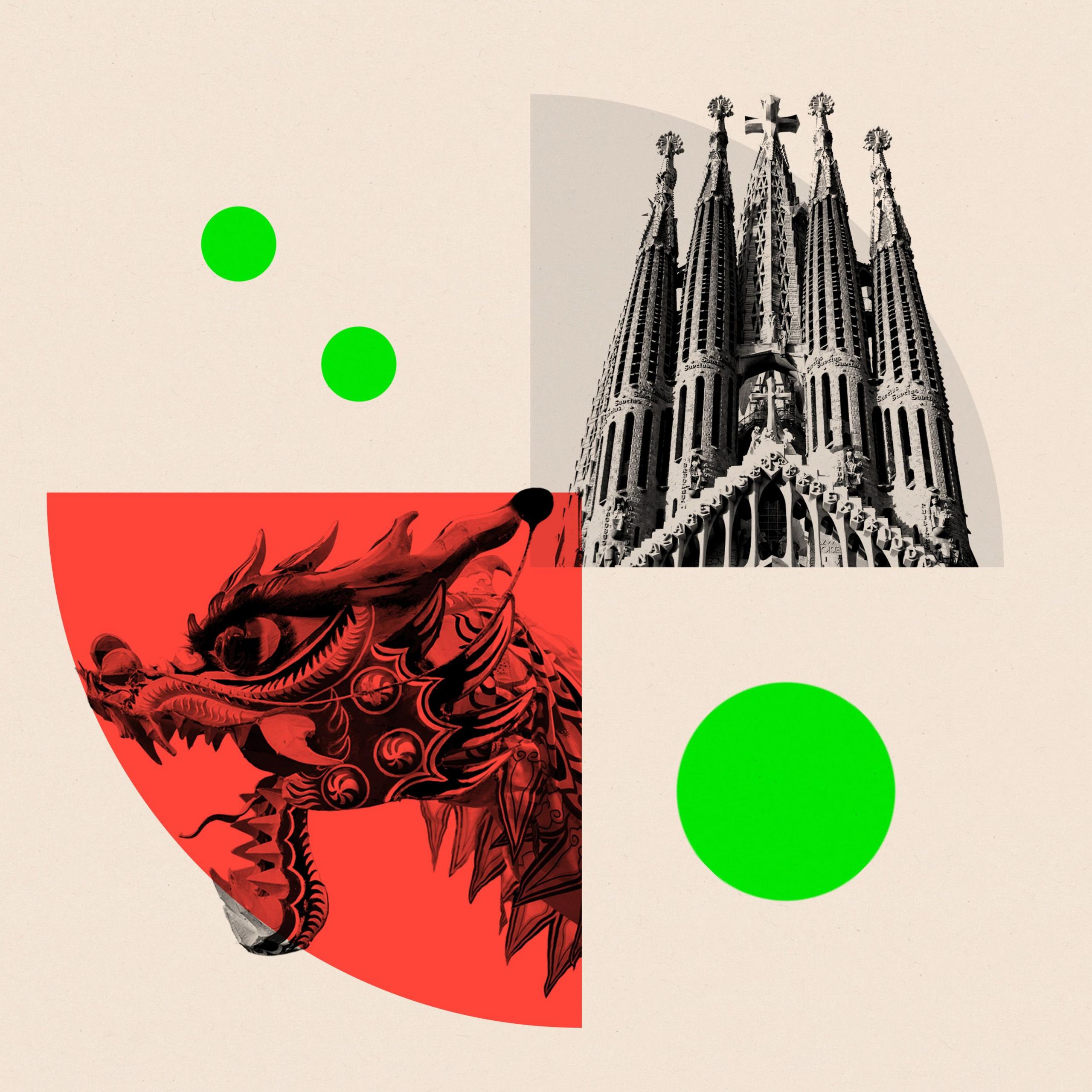
On a sun‑lit boulevard in Barcelona, bright‑red Chinese dragons, sweat‑drenched and flamboyant, slithered past cheering crowds. The spectacle was part of Shanghai’s first invitation as the city of honour for the city’s renowned La Merce festival, a tradition steeped in Catalan culture. While Catalan pipers marched in velvet cloaks, Chinese acrobats and lantern painters added an exotic flair that underscored a developing bond between Spain and Beijing.
Vice‑Mayor Lu Shan flew to Spain to address the opening ceremony, remarking that though Catalan and Chinese traditions differ they share “a common spirit.” The gesture, however, comes amid a broader pivot by Madrid to market itself as China’s preferred entry into Europe.
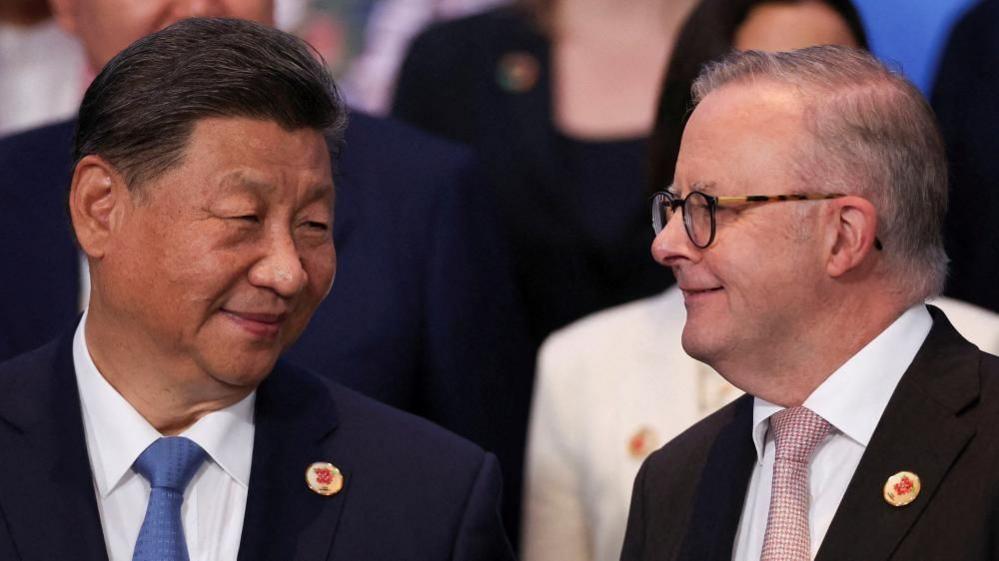
Prime Minister Pedro Sanchez has met with President Xi Jinping four times in as many years, insisting the EU must improve ties with China as the United States became less reliable after 2019. Yet France, Germany and other EU members regard Beijing as a strategic rival and dismiss Spain’s policy as “self‑interest” that threatens EU cohesion.
The move follows rising Chinese investment in Spain. ICEX, the Spanish trading agency, reports sharp growth in Chinese spending on battery gigafactories, car plants and the electric‑vehicle supply chain. Chinese firms such as Chery, Hi‑Lithium and CATL are already farming batteries and automotive assembly lines across the peninsula, a trend that some EU observers view as a threat to the single market and national security.
The relationship also surfaced in a controversial contract: the Spanish Ministry of the Interior awarded Huawei a €12.3m deal to store and manage sensitive judicial wiretap data, prompting criticism from the European Parliament that such arrangements could expose EU data infrastructures. Spanish defence minister guards Spain’s stance, but former US Ambassador to NATO Julianne Smith warned the contract could erode European cohesion.
Spain is not alone in seeking new strategic partners. Finland, pressed by a 1,300‑km border with Russia, has shifted from neutrality to NATO membership, and turns to Israeli defence technology after doubts about US guaranteed support. Greece, facing Turkish pressure, signed a major Israeli “Achilles Shield” defence contract, which many in Athens hope will maintain solid US ties while bolstering security against the eastern threat.
These developments echo warnings that the EU’s power base may fracture under the weight of mounting rivalries: Russia’s assertiveness aided by Beijing, a distracted United States, and fracture lines across Europe that threaten a unified front. As Spanish and other EU states chase economic and security gains separately, the spectre of a splintering bloc looms large.