Putin Doubles Down: Russia’s Parliament Swells While Ukraine War Continues
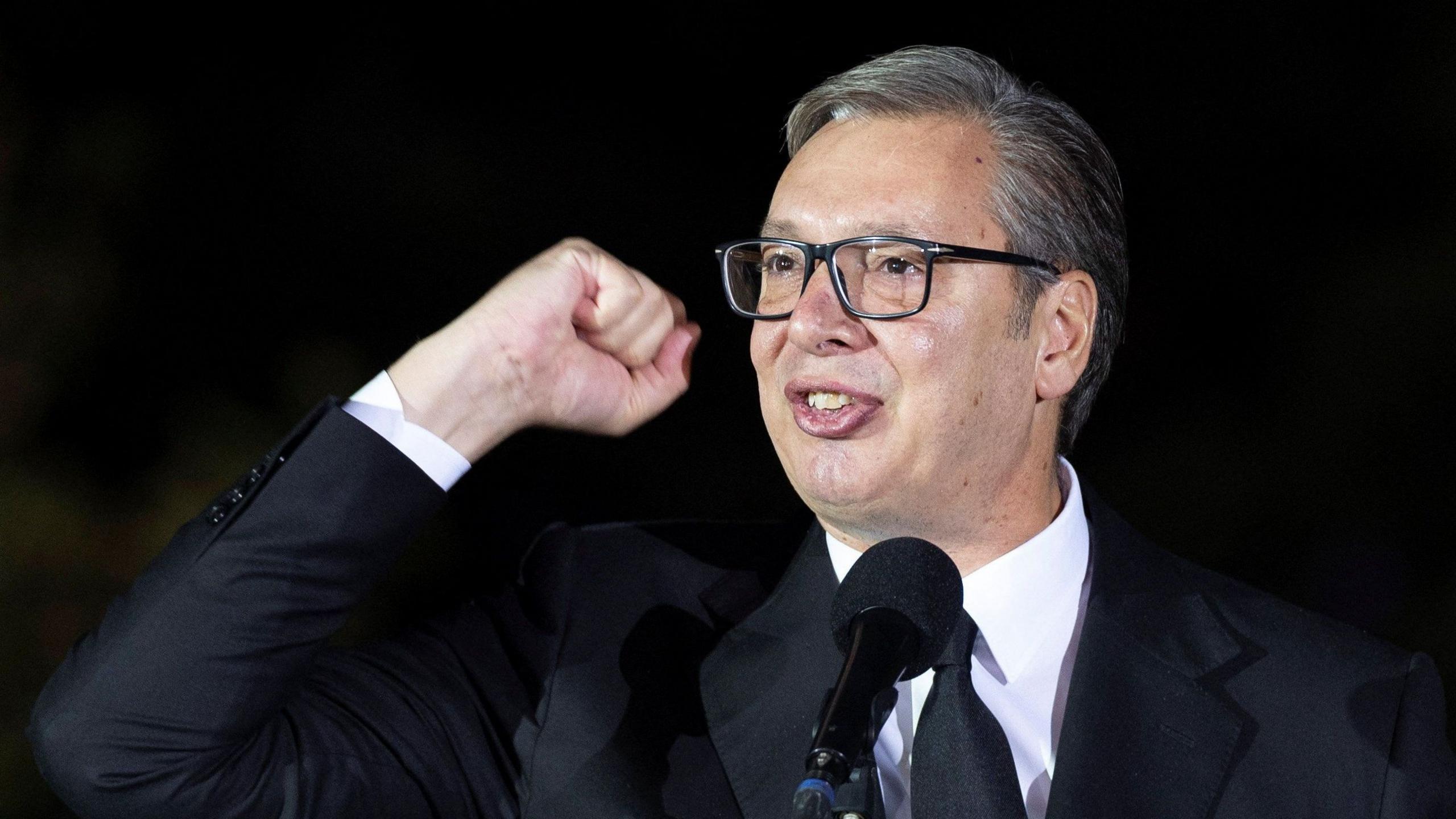
When Vladimir Putin stepped onto the floor of the State Duma on Wednesday, a supportive welcome greeted his arrival.
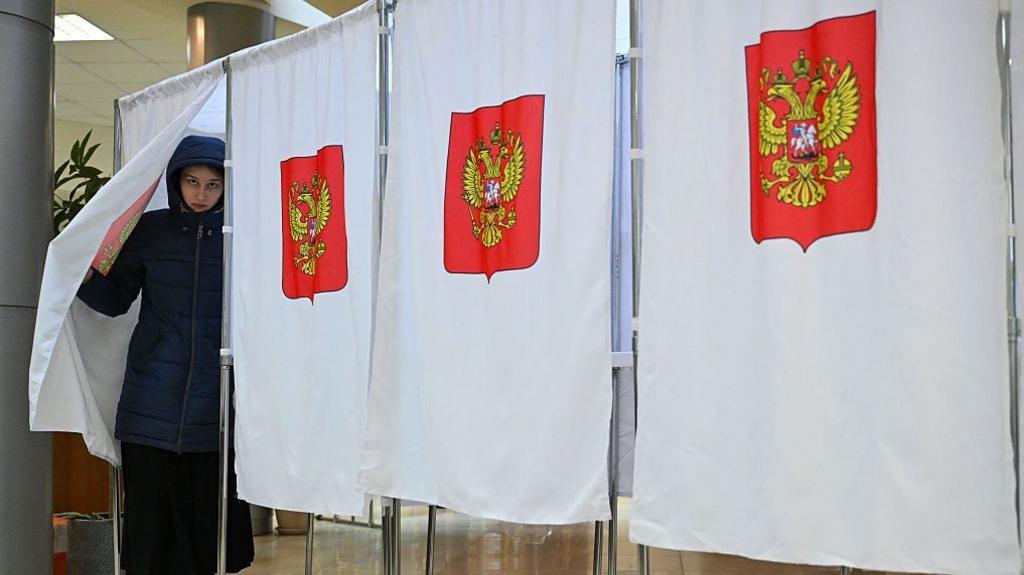
The “Special Election Operation” reduced all political noise, delivering a record‑breaking majority to United Russia. With more MPs than ever, the Kremlin claims a clear mandate from the Russian people – a mandate that, according to officials, underpins its determination to continue the war in Ukraine.
But an official stance does not imply a change in strategy. A video transmission suggested that, even after heavy battlefield losses and a battered economy, President Putin remains confident of achieving a military victory.
The question is whether Putin will ever sign the paper that ends this “special military operation.” The line between rhetoric and policy has yet to waver, setting the stage for next week’s address at Moscow’s Valdai Discussion Club.
Meanwhile, foreign minister Sergei Lavrov has continuously framed the conflict as a “European war against Russia.” He has defended this narrative despite the Western military aid flowing to Kyiv, citing air‑defence shortages and the need to pressure Ukrainians further.
Lavrov accuses Russia’s hybrid operations – from cyber‑attacks to drone incursions across Europe – of putting the continent on edge. In a recent interview, he hinted that such disruptions might eventually force a broader European conflict.
Opposing viewpoints on the potential escalation come from strategists like Sergey Karaganov, who warned that a failure by Europe to relent could compel Russia to adopt “conventional” or even “nuclear” responses, although the likelihood of the latter remains speculative.
Behind this rhetoric, Russia presses on with operations that paint Ukraine as a neo‑Nazi state, claiming “brute force” is necessary to eliminate a perceived threat. That admission underscores Moscow’s unwillingness to halt current hostilities.