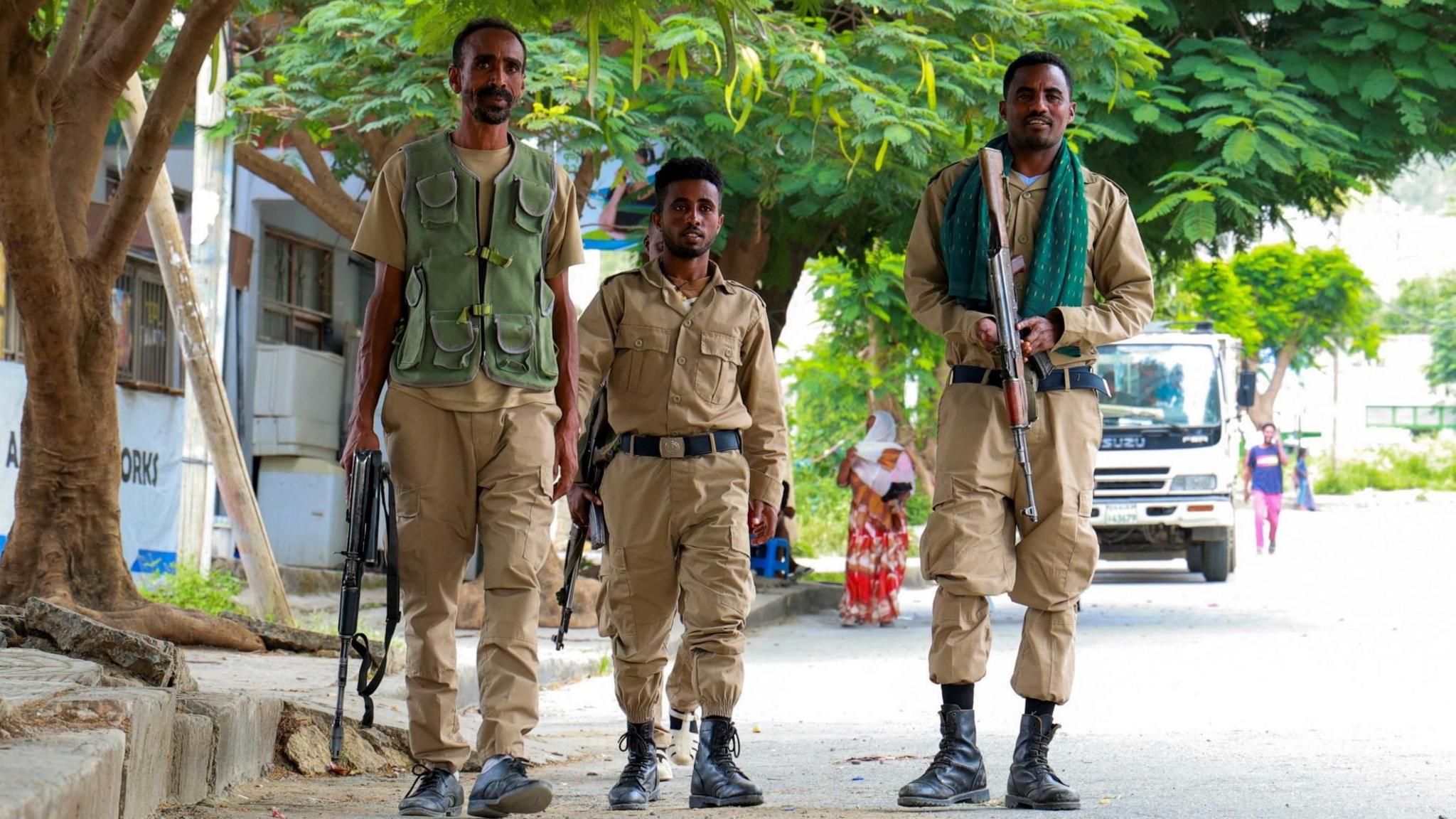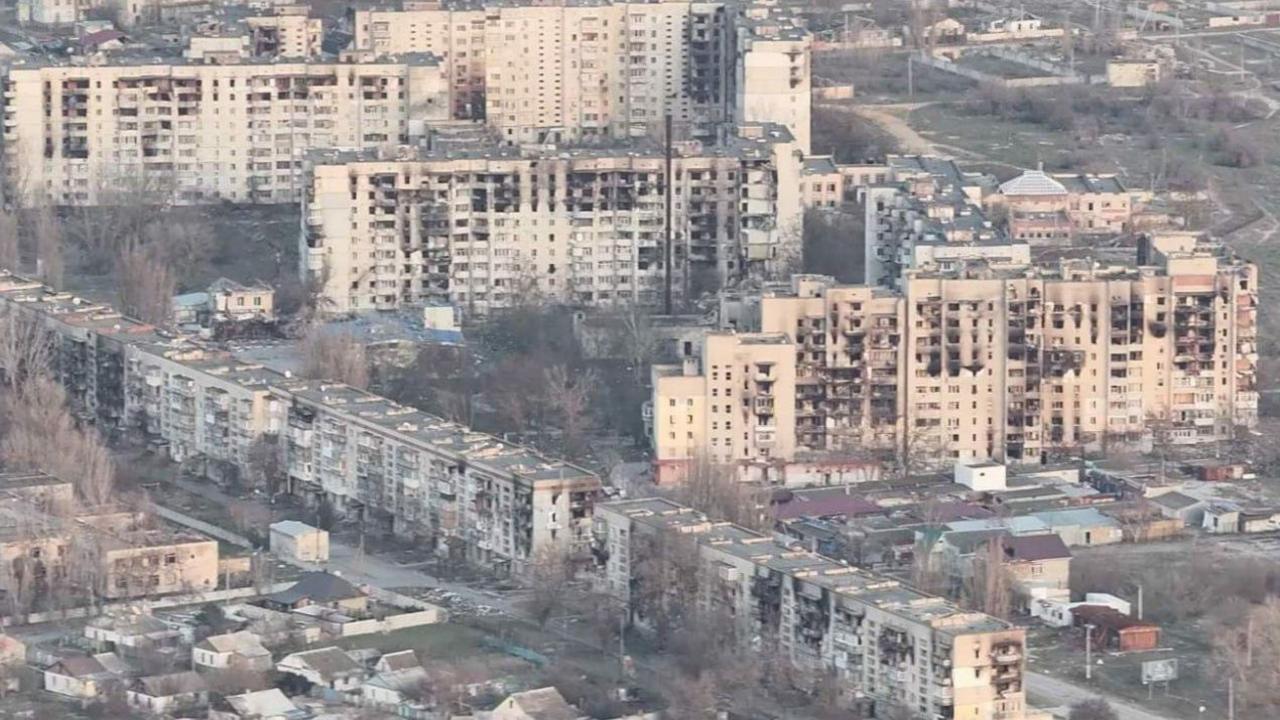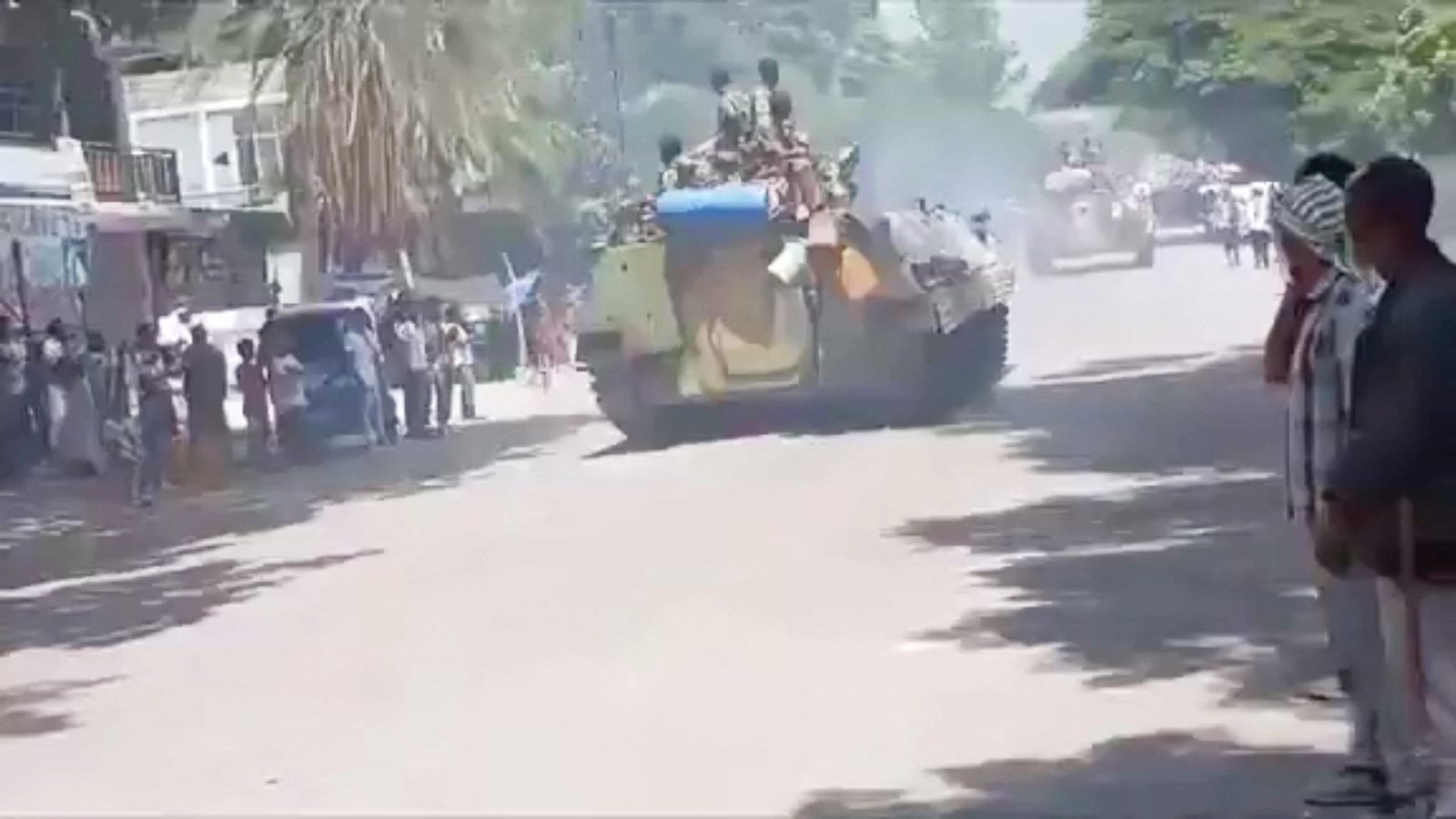
A three‑day clash in Alamata, a town in Ethiopia’s northern Tigray region, has left at least 52 civilians dead, hospital staff told the BBC.
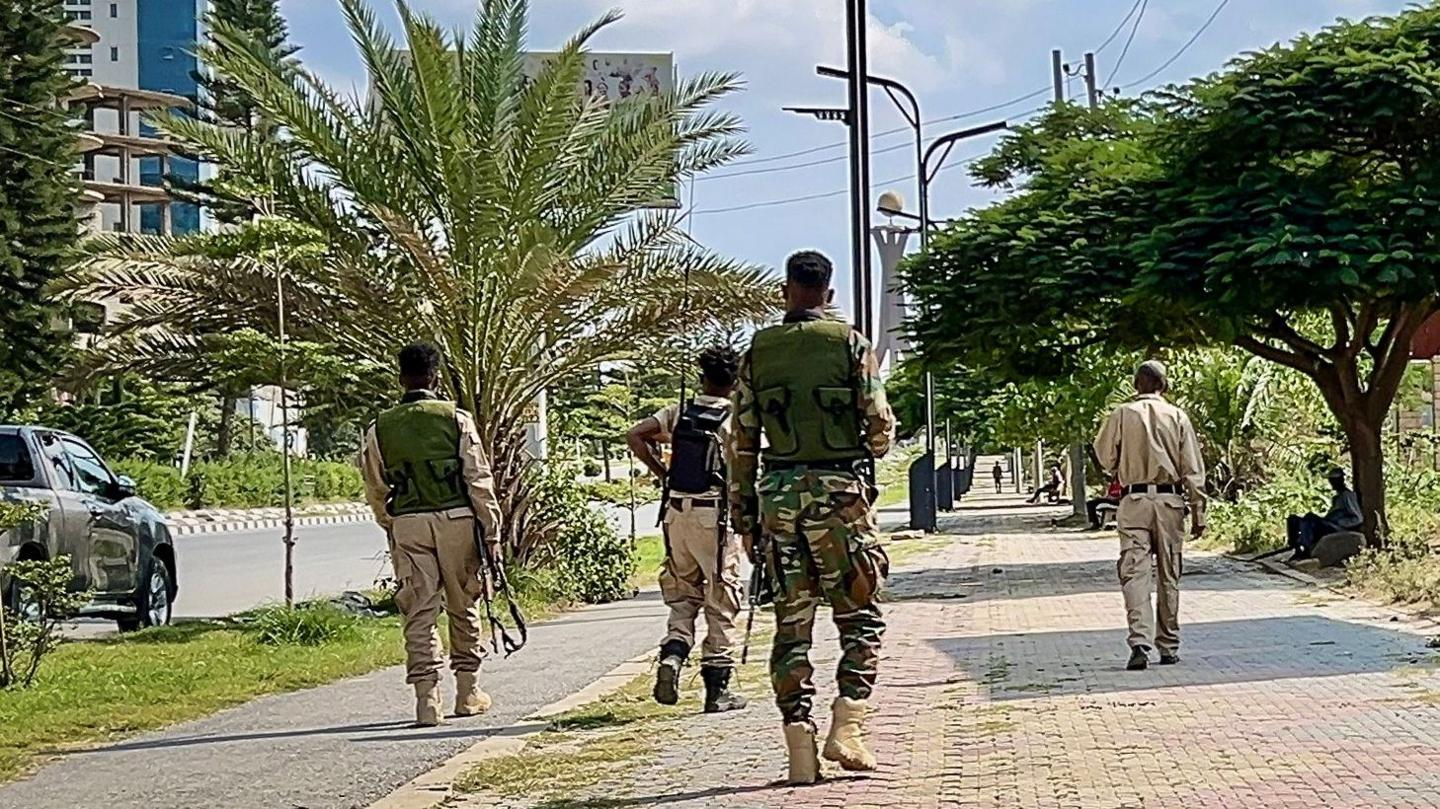
Government troops have taken the town from Tigrayan fighters and now aim to move north toward Mekelle, the region’s capital. Heavy tank footage shows the army’s presence on Alamata’s streets.
The fighting follows months of tension between the federal government and the Tigrayan party, each accusing the other of breaching a 2022 peace deal that ended a two‑year civil war.
Bordering areas are suffering too. In the UNESCO‑listed town of Lalibela, 33 tourists have been trapped for a week, the BBC’s “Newsday” programme heard from a British visitor who could not name himself.
He described hearing shelling and artillery around the town, a heavy military presence, and a shortage of cash despite online banking surviving the outage. A dozen Israeli tourists were flown out in a military helicopter on Monday, and five others left the day before via an NGO convoy.
The Alamata General Hospital doctor, who asked to remain anonymous, said the fighting occurred Saturday through Monday and involved explosive and artillery fire that struck homes. A single strike on the market killed twelve people, some as young as three days old.
In the Afar region, Tigrayan soldiers are also fighting, targeting a corridor that links landlocked Ethiopia to Djibouti’s ports.
The government blames the Tigrayan People's Liberation Front for launching the offensive, while the party claims it was defending itself against a federal assault that included drone strikes. Both sides argue the other began the conflict.
Eritrea may become involved, with the Ethiopian government accusing the country of supporting armed groups, an accusation Eritrea denies.
Communications to the region have been cut, leaving journalists unable to report from Tigray or nearby areas.
The Ethiopian government has suspended banking services in Tigray. Residents cannot transfer money or use phones, compounding the humanitarian emergency as the town swelled with refugees from the fighting.
Tigrayan broadcasters are offering a lifeline: the Tigray Broadcasting Service will air messages collected via Telegram, enabling families inside the blackout to hear relatives outside.
Banks have frozen accounts linked to Tigray, causing distress for people who left the region but still hold money there. One former Mekelle resident said his mobile money transfer failed on the way to the capital two months after leaving the high‑tension zone.
Additional reporting by Yemane Nagish.