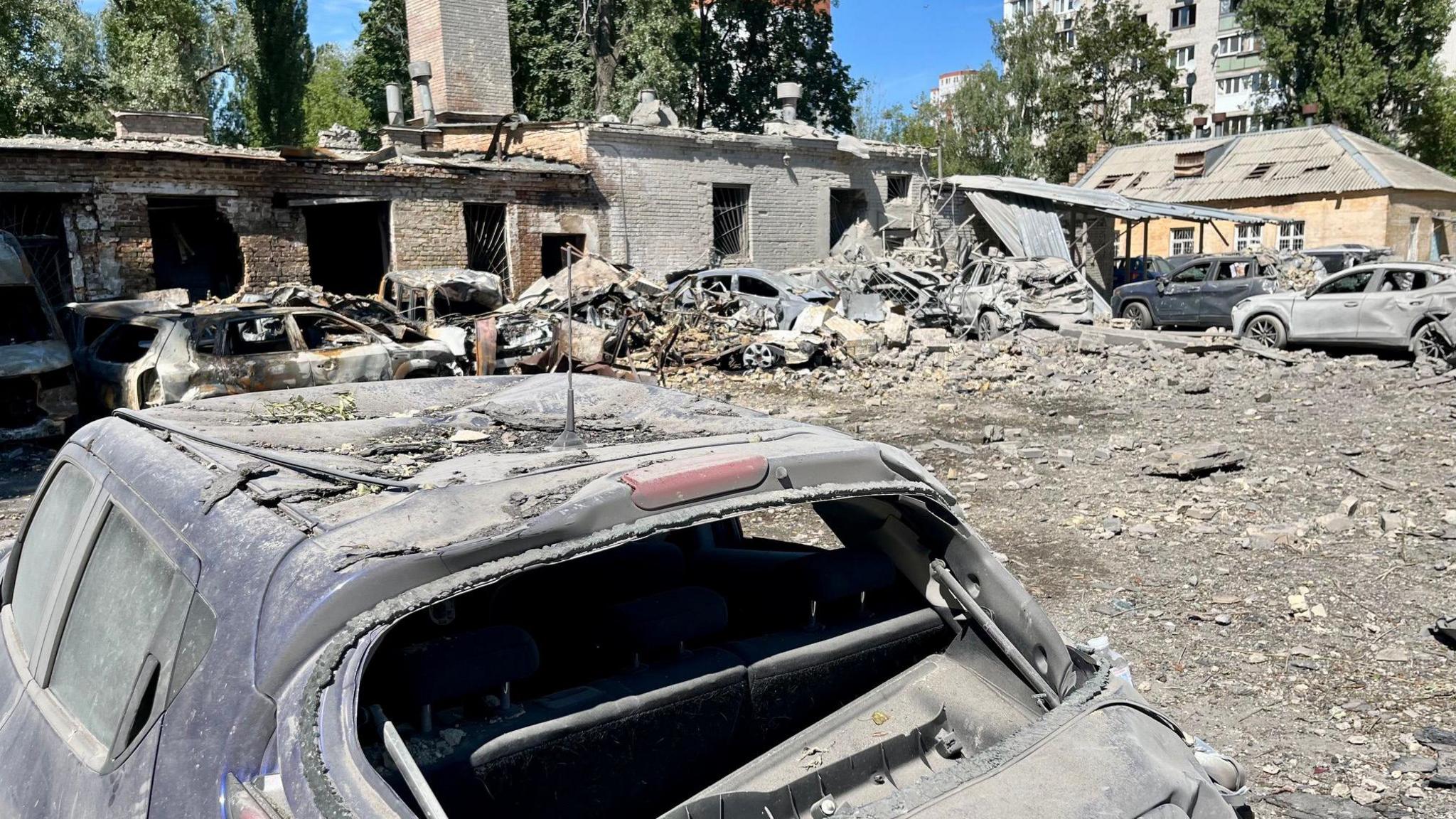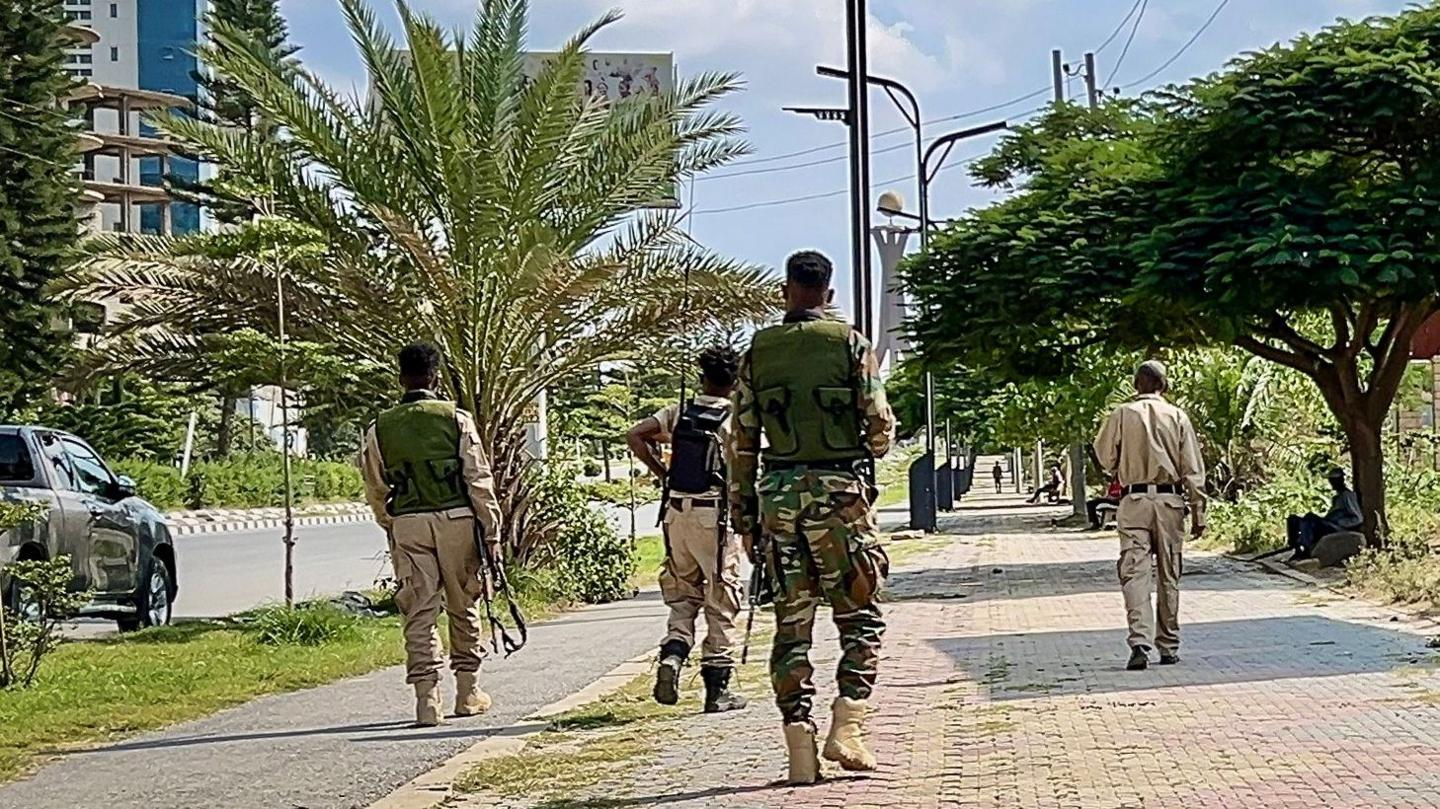
Ethiopia’s federal authorities and the Tigray Peoples' Liberation Front (TPLF) are at a new crossroads, each accusing the other of launching offensive operations that could spark a fresh full‑scale war in the northern states.
Getachew Reda, a former head of the Tigrayan interim administration who now advises Prime Minister Abiy Ahmed, warned that TPLF forces had captured several federally managed airports in Tigray and moved into the neighbouring Afar and Amhara regions. The Tigrayan side, on the other hand, claimed that the current situation is a defensive struggle in response to recent drone blows.
The violence has taken a personal toll: Federal forces have halted all flights to Tigray, and F-shaped photographs of the city of Mekelle show tanks guarding what once were civilian schools. Meanwhile, the African Union’s chief, Mahmoud Ali Youssouf, has appealed for “immediate de‑escalation” and urged both parties to resume negotiations.
The United States also weighed in, condemning the TPLF for a large‑scale offensive declared in the morning’s brief, calling it an “un‑winnable fight.” If the accusations trigger actual engagements, the humanitarian situation—already threatened by a famine‑wide famine after the 2022 conflict—could return to crisis levels.
The tensions echo up to the July sessions of parliament where Prime Minister Abiy earlier accused the TPLF of gearing up for renewed conflict. As the region’s security stalls, the international community risks a re‑emergence of the two‑year war that left an estimated 600,000 people dead, according to the AU’s own estimates.
Activists and residents alike call on both ends to honour the Pretoria Agreement signed in 2022, but delays in implementation continue to exacerbate the ever‑growing distrust.