Alamata Under Siege
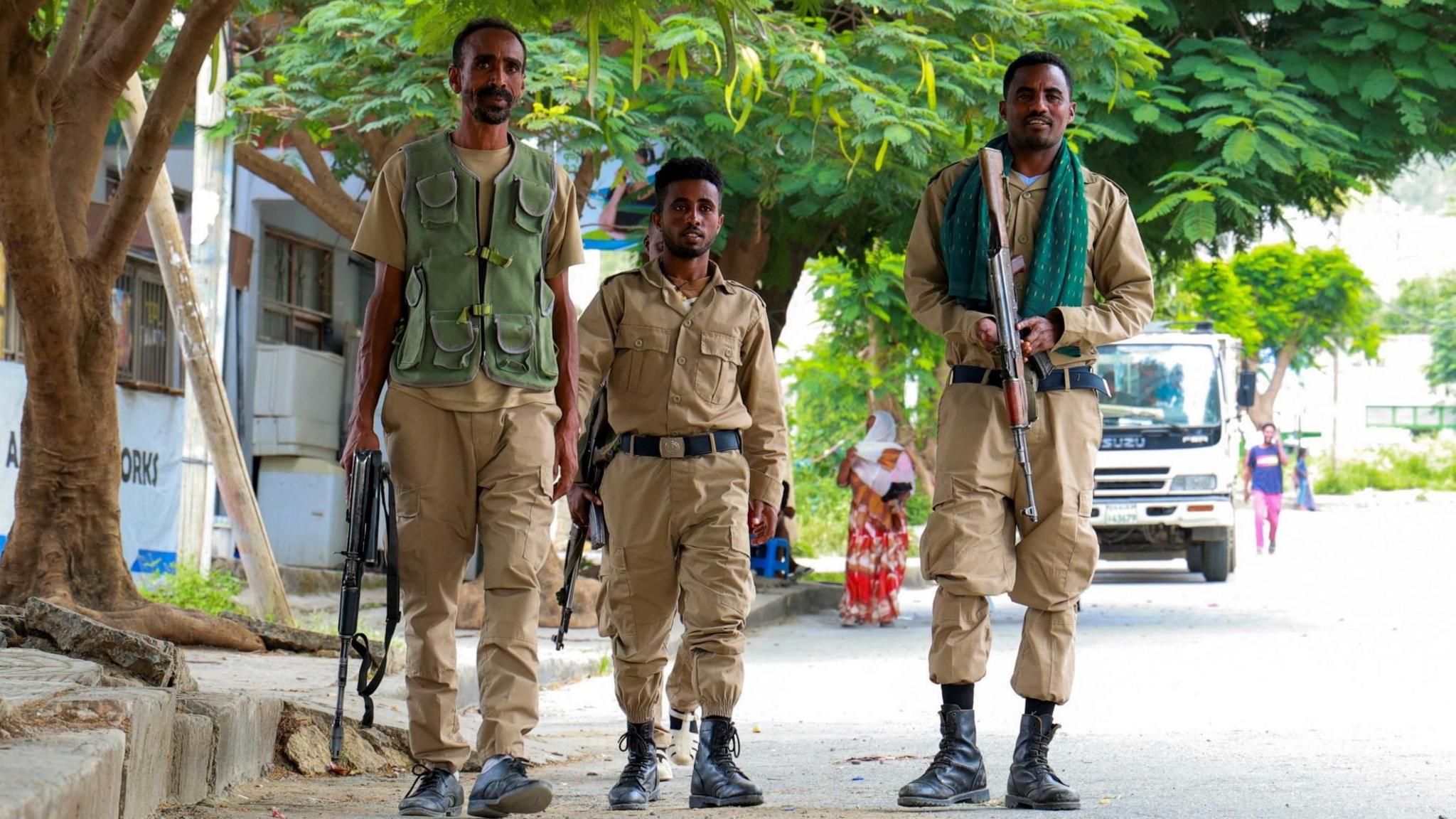
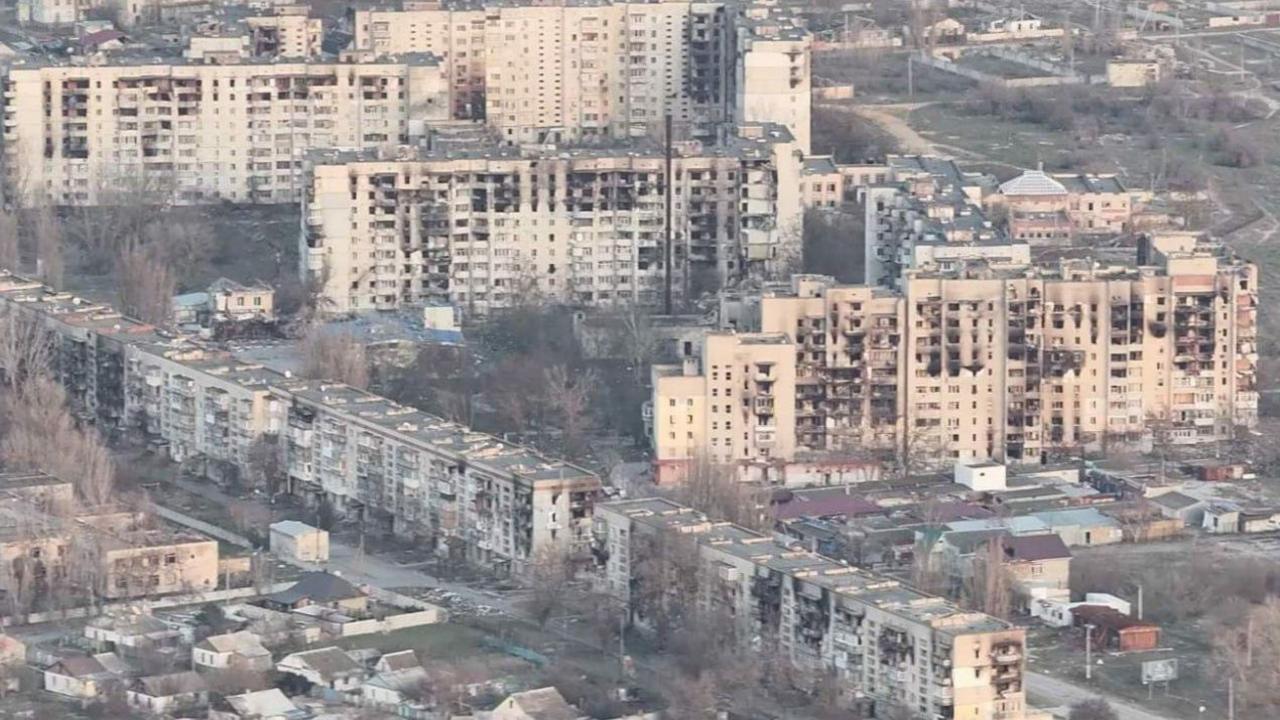
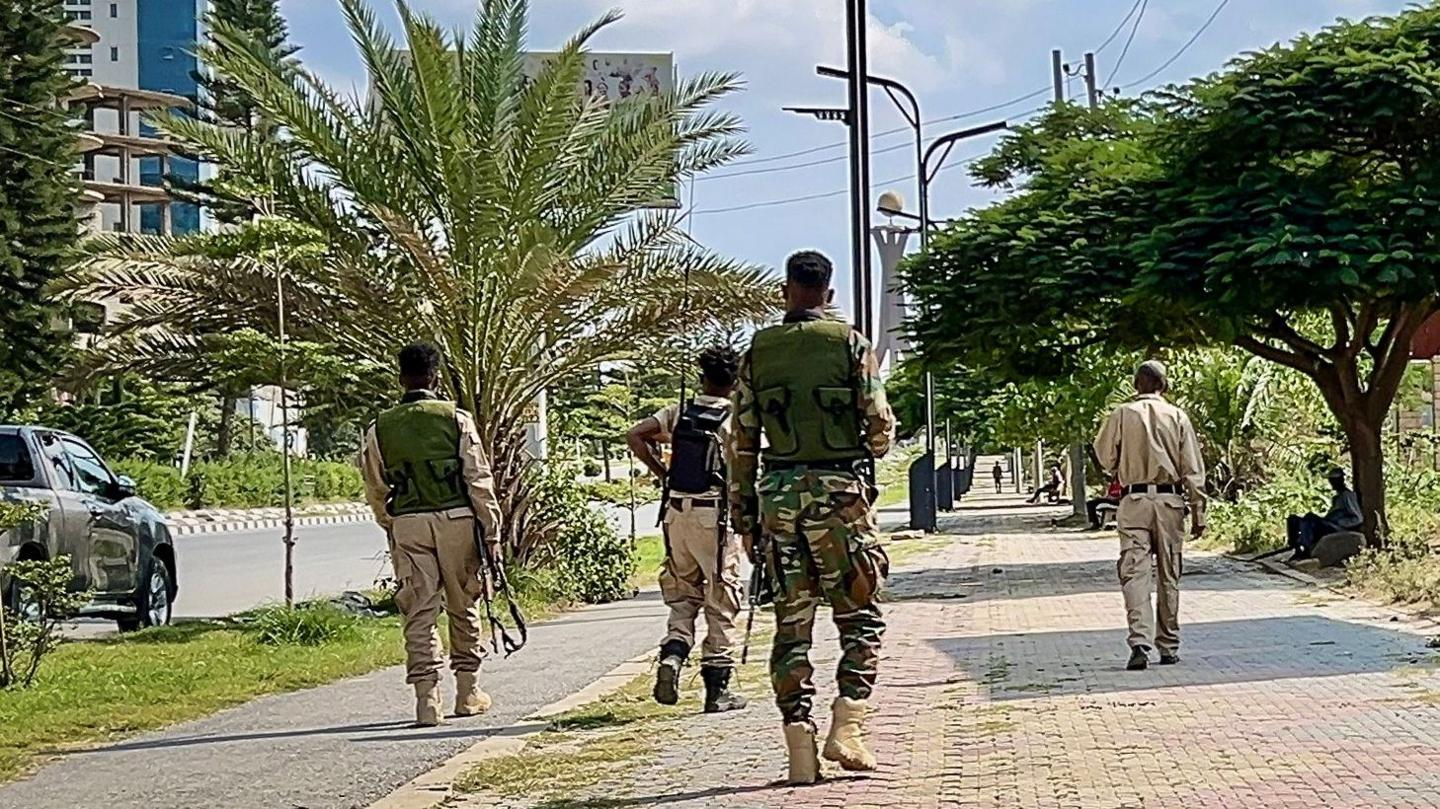
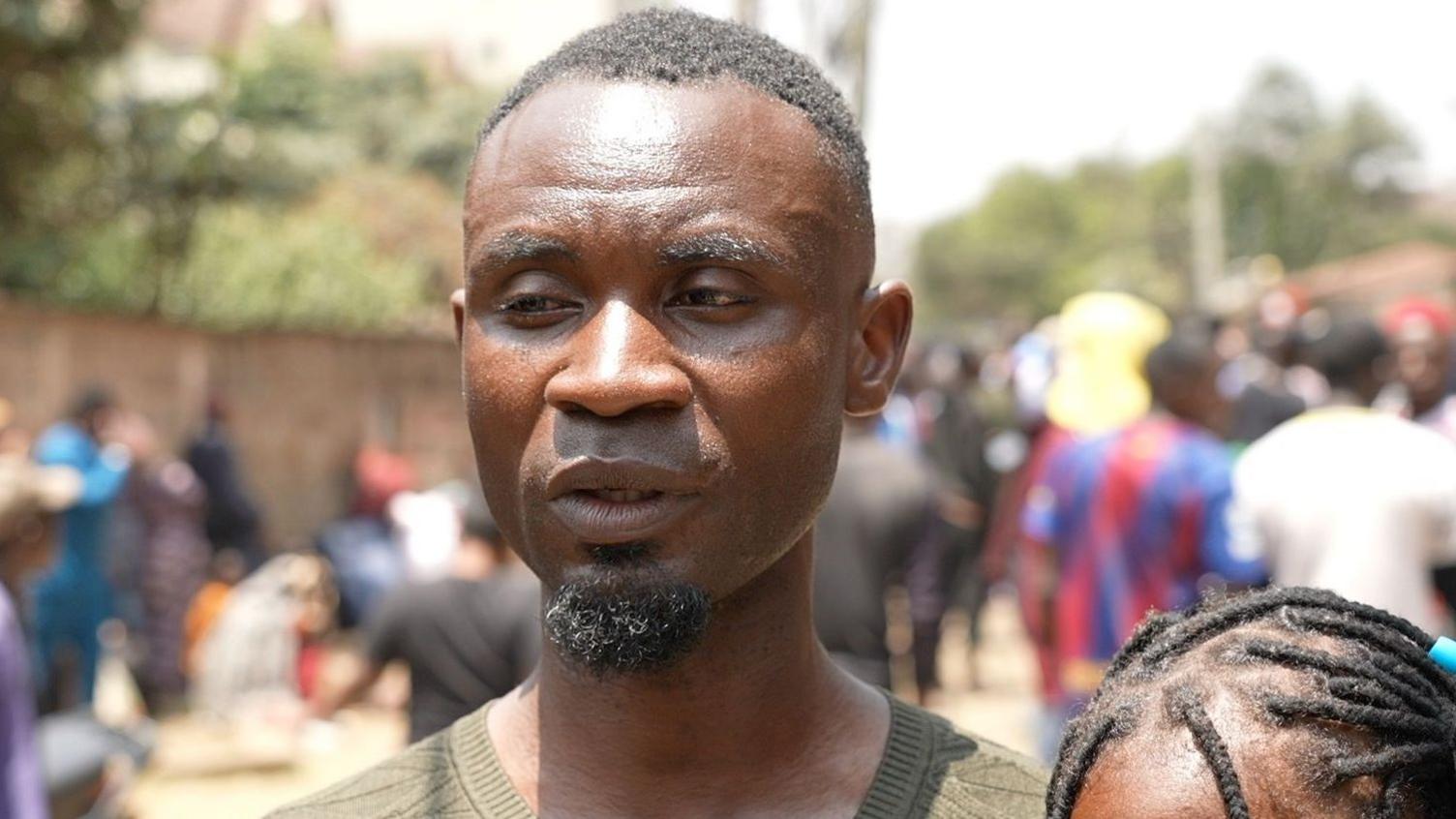
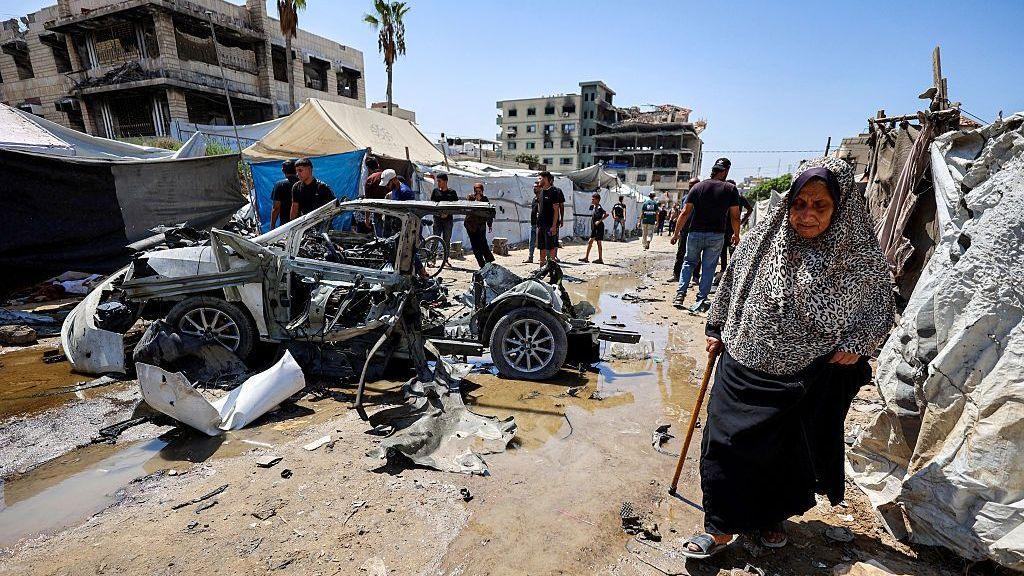
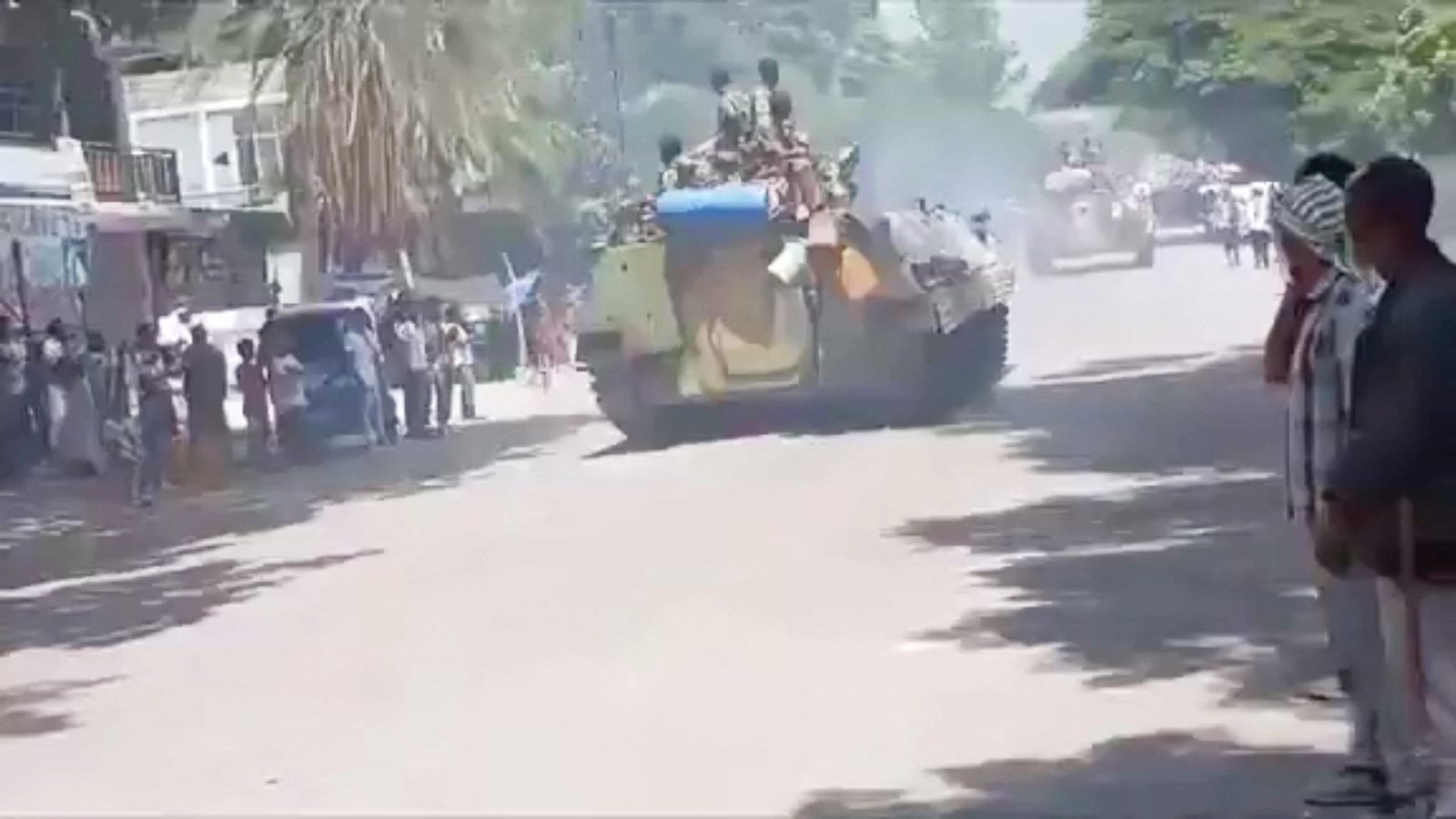
Ethiopian government troops seized the northern Tigray town of Alamata after a months‑long standoff, driving heavy tanks down its main avenues and unleashing artillery that landed inside residential buildings. A local medic from Alamata General Hospital told the BBC that the shelling between Saturday and Monday killed a minimum of 52 civilians, including a three‑day‑old baby, mothers, and livestock herders.
According to the Tigray People’s Liberation Front (TPLF), the offensive was a retaliatory move against renewed drone strikes, while the government insists militants angling for control of regional airports prompted the raid.
The fighting has now spilled beyond Alamata. In the world‑heritage city of Lalibela, 33 tourists and a wave of travellers have been confined since the airport halted commercial flights. Twenty‑four Israelis were airlifted out, and five other foreign nationals left via an NGO convoy, but many Americans, Britons, and other nationals remain stranded.
A sudden blackout of banking services and internet access in Tigray has compounded the crisis. Residents report frozen accounts, no money transfers, and an absence of electricity and communications. The Tigray Broadcasting Service has begun a satellite relay to send and receive video messages through Telegram, offering a lifeline to families cut off.
Medical charity Médecins Sans Frontières confirmed that over 700 wounded people have been admitted to hospitals under its support in the region, underscoring the depth of the humanitarian fallout.
The ambiguity over who started the latest clashes fuels a tense standoff, with both sides pointing fingers as the tension threatens to draw neighbouring Eritrea into the fray. With communications cut, outside observers cannot verify the situation directly, leaving the global community to rely on satellite imagery, social‑media feeds, and intermittent local reports.
Background: The Tigray War formally ended in 2022 with a peace agreement, but lingering mistrust and territorial contests have kept the region on edge. The current escalation could set the stage for renewed conflict across Northeast Africa.

Sources: BBC Africa, Medecins Sans Frontieres, local eyewitnesses. For more details, visit BBC Africa."