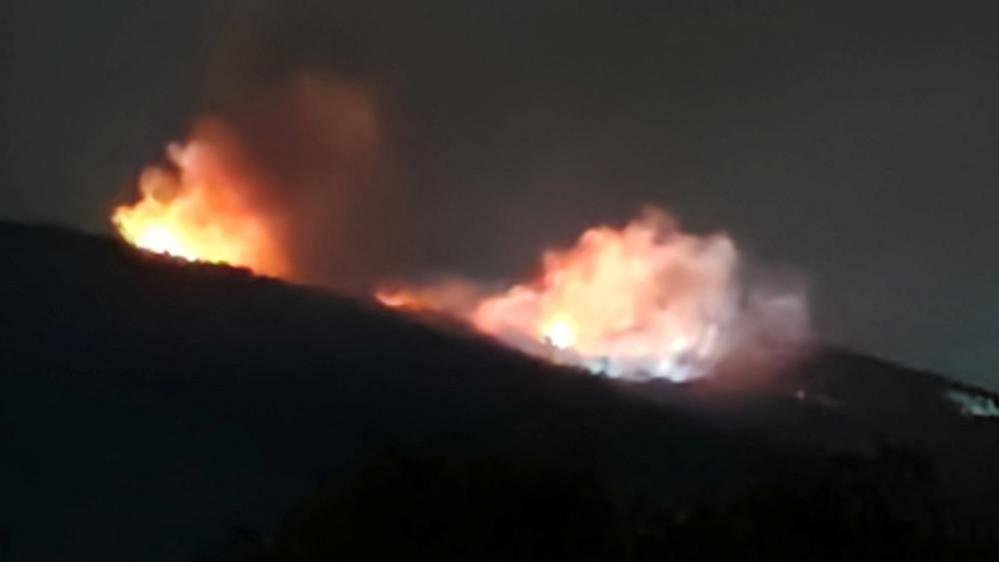

The Estonian government has formally blamed Russia’s special services for a sabotage arson attack on Milrem Robotics in Tallinn on the night of 14‑15 August.
Prime Minister Kristen Michal said the attack on the company – a principal supplier of unmanned military vehicles to Ukraine – was ordered by Russian authorities, though he added no further details were available. Foreign Minister Margus Tsahkna confirmed the claim, citing evidence gathered by the Internal Security Service (Kapo) that the arson was an act of sabotage.
Kapo officials said the perpetrators were Latvian nationals who had lived in Russia and participated in earlier attacks; three suspects were arrested in Latvia and extradited to Estonia earlier this month. Kapo chief Margo Palloson warned that the incident was the “first successful” attack of its kind by Russia in 2023.
Russia has rejected the accusations, with spokesman Dmitry Peskov calling the allegations “baseless” and unrelated to reality. Nevertheless, EU and NATO leaders have upheld their long‑standing support for Ukraine and warned that Russia’s hostile actions will not bring about unity or deter support.
The incident arrives amid a string of attacks across Europe attributed to Russian influence, including a drone explosion at Germany’s Leipzig airport and arson at Ukrainian‑owned facilities in Slovakia and elsewhere. These events are viewed as part of a broader hybrid warfare strategy aimed at destabilising NATO allies and weakening their resolve to aid Ukraine.
Estonia’s accuses, combined with arrests and extraditions, highlight the increasing reach of covert operations targeting critical defence infrastructure in the region. Analysts warn that unless a broader response is mounted, further sabotage could intensify.