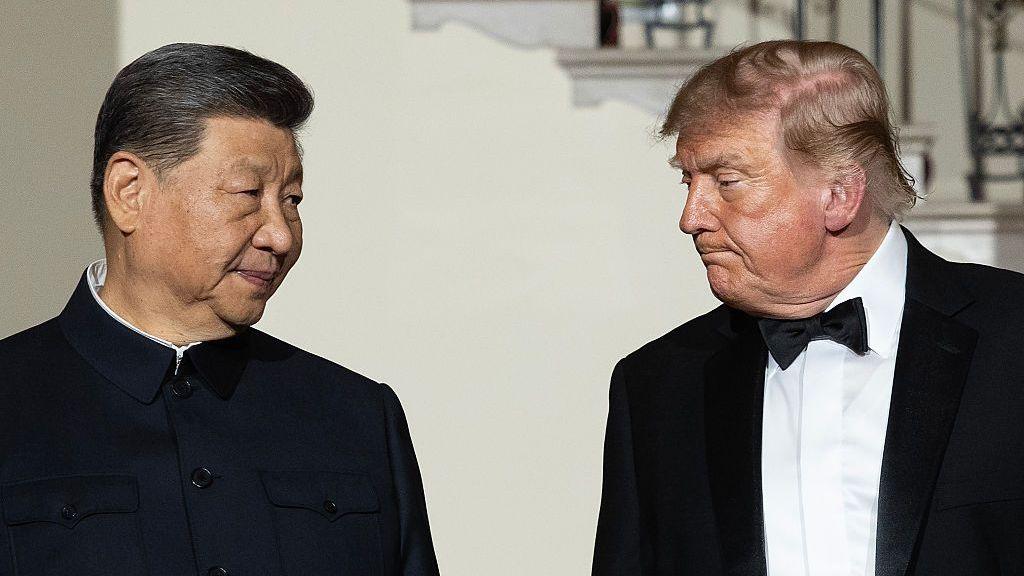

Australia is in the midst of an intense geopolitical juggling act, walking a tightrope between its economic lifeline in China and its security bond with the United States. Despite living thousands of miles from active conflict zones, the nation is preparing for a potential “worst type of war” that could spill over from broader great‑power tensions in the Indo‑Pacific.
Regular joint exercises, notably the Southern Jackaroo program that draws the Australian, US and Japanese forces together, signal a deepening military partnership. The US has increased its presence from 200 Marines in 2012 to about 2,500 today, and Australia’s Northern Territory base has been upgraded to accommodate long‑range B‑52 bombers. The tram‑tiv‐matching of the Aukus pact, which delivers nuclear‑powered submarines to Australia, further cements this strategic alignment.
Yet Australia’s economy is heavily dependent on China. Since entering the 2010s, Chinese trade has surpassed all others, culminating in a free‑trade agreement in 2015. Recent tensions—ranging from tariff wars over beef to suspensions of Chinese investment projects—have tested this relationship, but most Australians still view China primarily as an economic partner rather than a security threat.
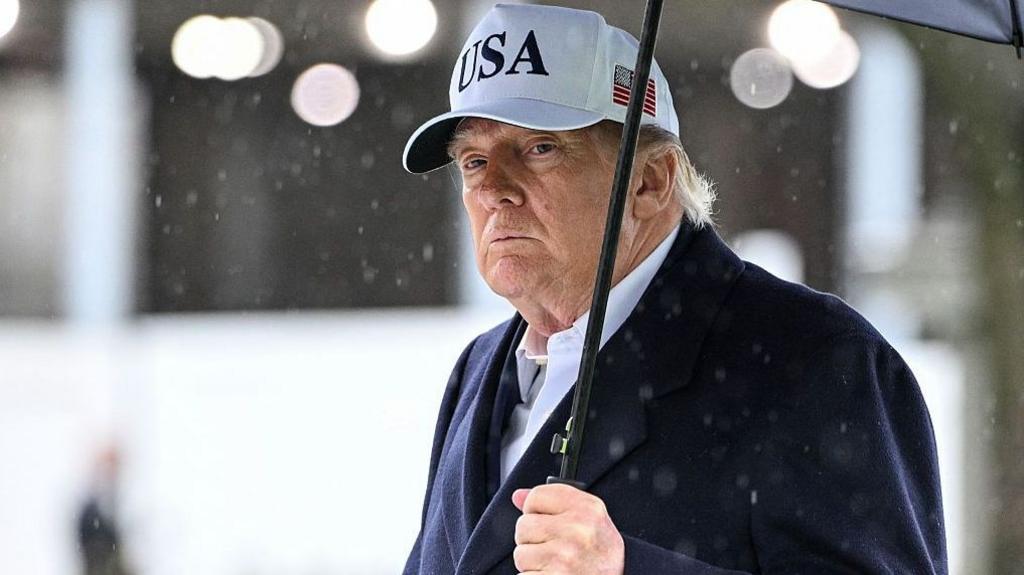
Public trust reflects this complexity. A 2026 Lowy Institute poll found only 31% of Australians trust the United States to act responsibly, while 28% trust China. At the same time, 61% see China as more important than the US for economic reasons, and 51% felt that China’s role in Australian affairs eclipsed the US—a sign of a growing “frenemy” perception.
Experts warn that Australia cannot afford to choose sides. The nation’s leaders argue that maintaining a balanced relationship is essential, even if it means walking a precarious tightrope between competing superpowers. As global power dynamics shift, Australia’s strategy will likely evolve, but its need to keep both allies and trade partners engaged remains a cornerstone of its foreign policy.