Professor Becomes Idol for China’s Anxious Youth
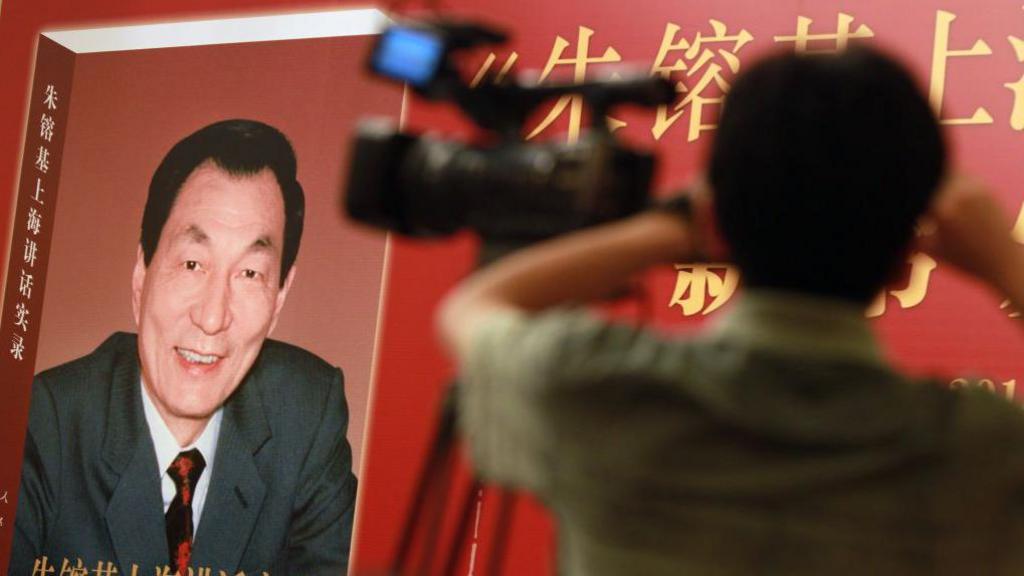
At 54, Professor Biao Xiang is far from a pop superstar, yet you’ll find a crowd of Young Chinese people hanging on his every word. He’s an anthropologist who has moved from Beijing to Germany, but his 27 minute talks in Mandarin still draw audiences of several hundred – and a new generation who ask the hard question: if the world is slipping, can we find safety in knowing we’re not alone?
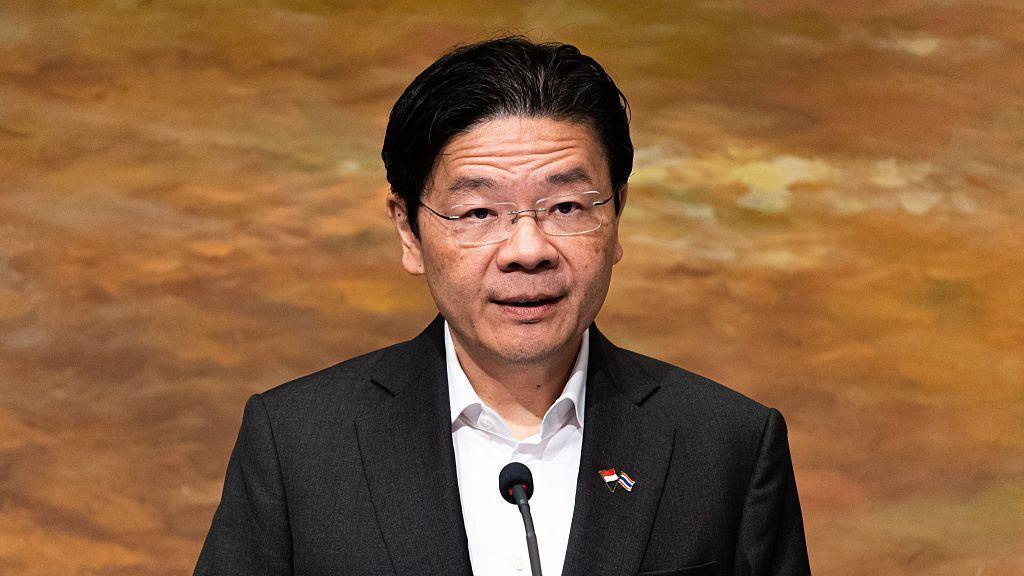
“The transition from school to the real world brings a lot of uncertainty now, and people often feel anxious because they don’t know how to face it,” he told a graduate student who could not reveal her name. That student joined a group of about 500 people, mainly Chinese diaspora, in a Singapore auditorium in the early months of 2026. At the end of the hour, a line of students and students-in-waiting arrived for autographs; one called it an “academic fan meeting.”
When in doubt, ask Biao Xiang, said a main Chinese outlet, and it has since become a hashtag.
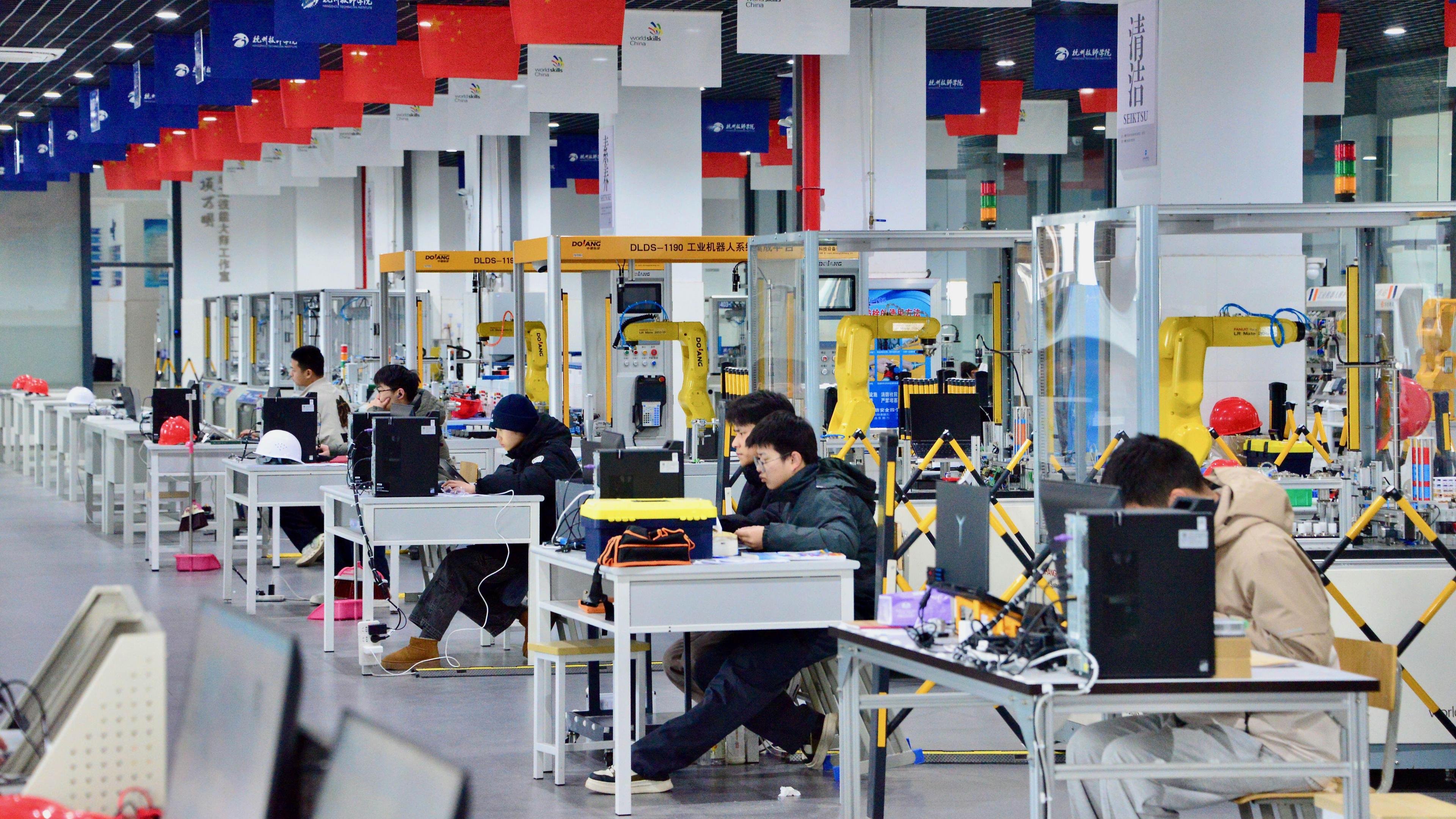
Xiangs talks touch on the core of China’s youth angst – jobs that feel like an endless treadmill, the crippling pressure of the housing market, and an education system that turns dreamers into doers. He calls the constant exertion “floating,” compares the gap between high‑hope and low‑grounded truths to “the nearby,” and warns that the space of the everyday can feel vacant and lonely. These terms resonate globally, and his honesty has made him more than a scholar – he is a “teacher” who gives voice to anxiety in an era where the state is wary of open criticism.
Young people say they feel more alive when he talks back, “He’s not a cult leader or a celebrity; he’s a real human who says what is difficult.” He writes on social media that “If you seek a brand, you are meeting me.” In return, he says, he can only influence by making them think for themselves.
From a hometown in Wenzhou, the place where the Chinese economy once spun jewelry and small‑scale factories into global exports, to a position at the Max Planck Institute for Social Anthropology in Berlin, Xiang’s life underscores the very contradictions he analyses. He continues to travel to Beijing, Shanghai, and beyond, and his influence is growing – the very people who once ridiculed him now have a meme of his famous lecture, the one that insists “When 1.4 billion people are all in the same race – that is involution.”