Ceuta Waters, Football Fever & Israel Row: Morocco’s Election Reimagined
The country’s parliamentary vote this week is framed by a mélange of images—clips of the National‑team’s World‑Cup run, 60,000 people leaping over the waters to cross into the Spanish enclave of Ceuta, and a lively chorus of anti‑Israel slogans that echo across streets and TV studios.
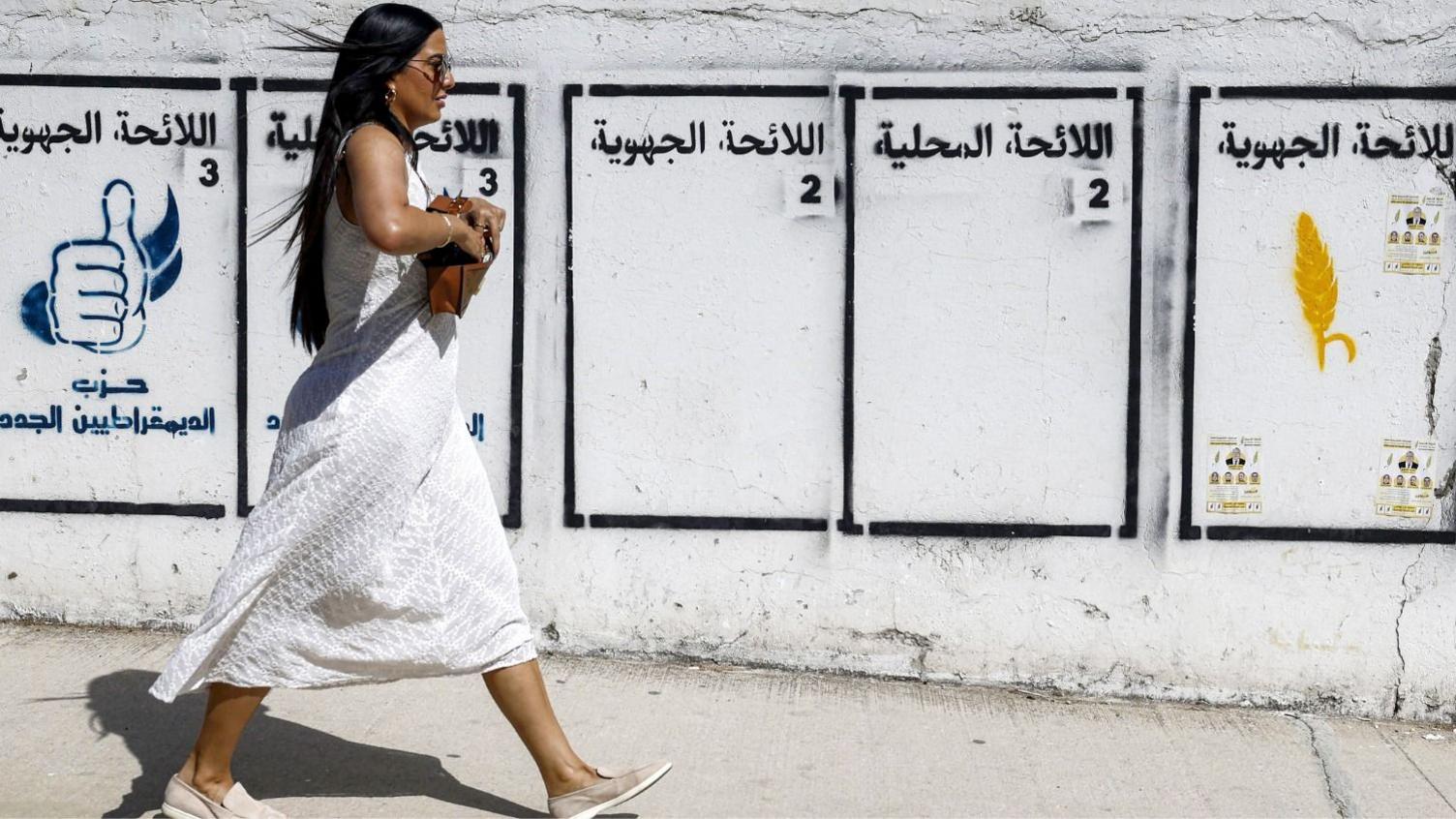
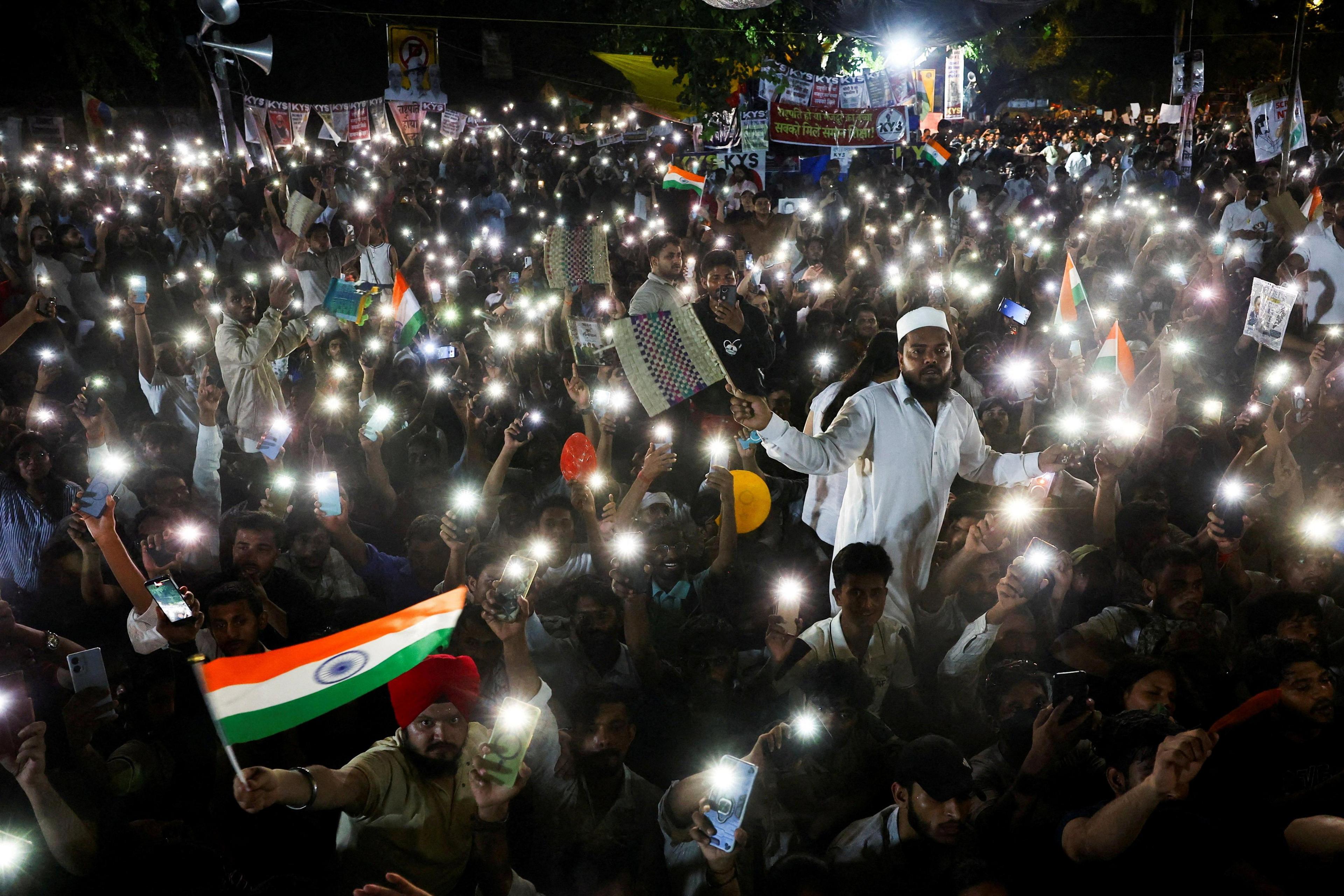
“I think young people should focus on the microscale: rather than running for office, helping build communities and connecting with people and then building up to the top,” says Siham Azeroual, an environmental activist in the Atlas. She watches campaign slogans criss‑cross city walls reminding voters that politics still feels disconnected from the planet’s pressing needs.
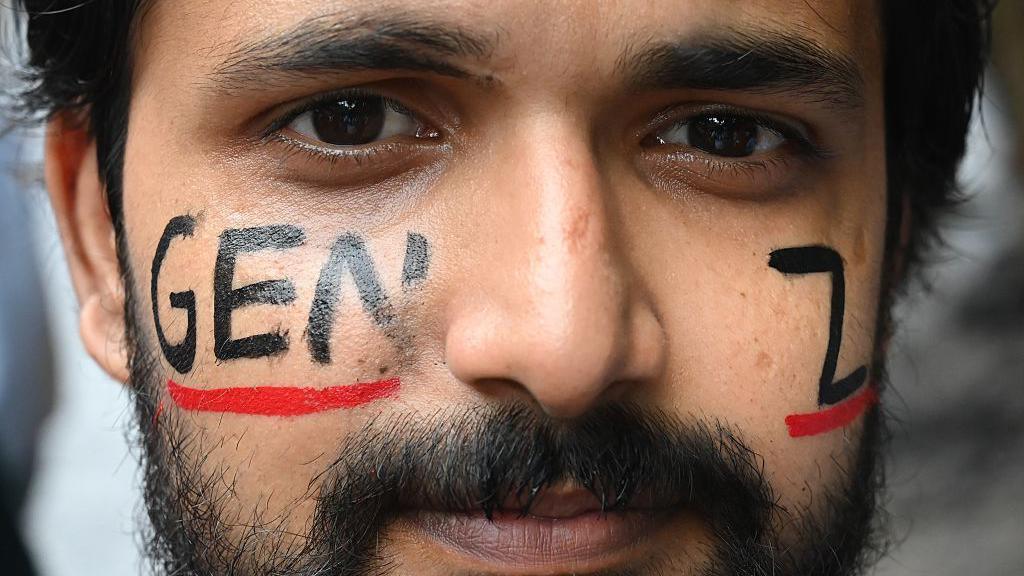
In the past year, an unprecedented wave of migrants from the North‑African shoreline to Ceuta witnessed nearly 100 deaths and a desperate quest for opportunity—underscoring the high youth unemployment rate of 37.3% and the 13% national rate that fuels discontent. Hamza El Kharroubi, a former protestor now running under the Environment & Sustainable Development Party, pledges representation for the “micro‑level” demands of today’s students.
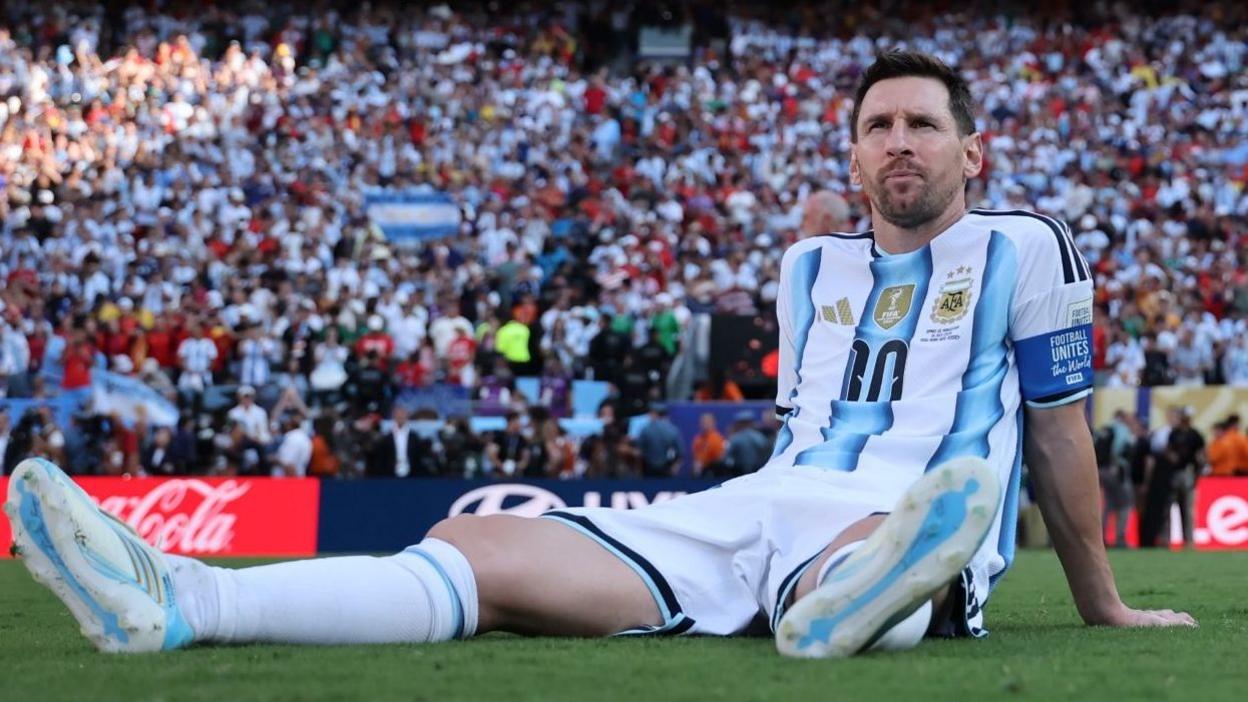
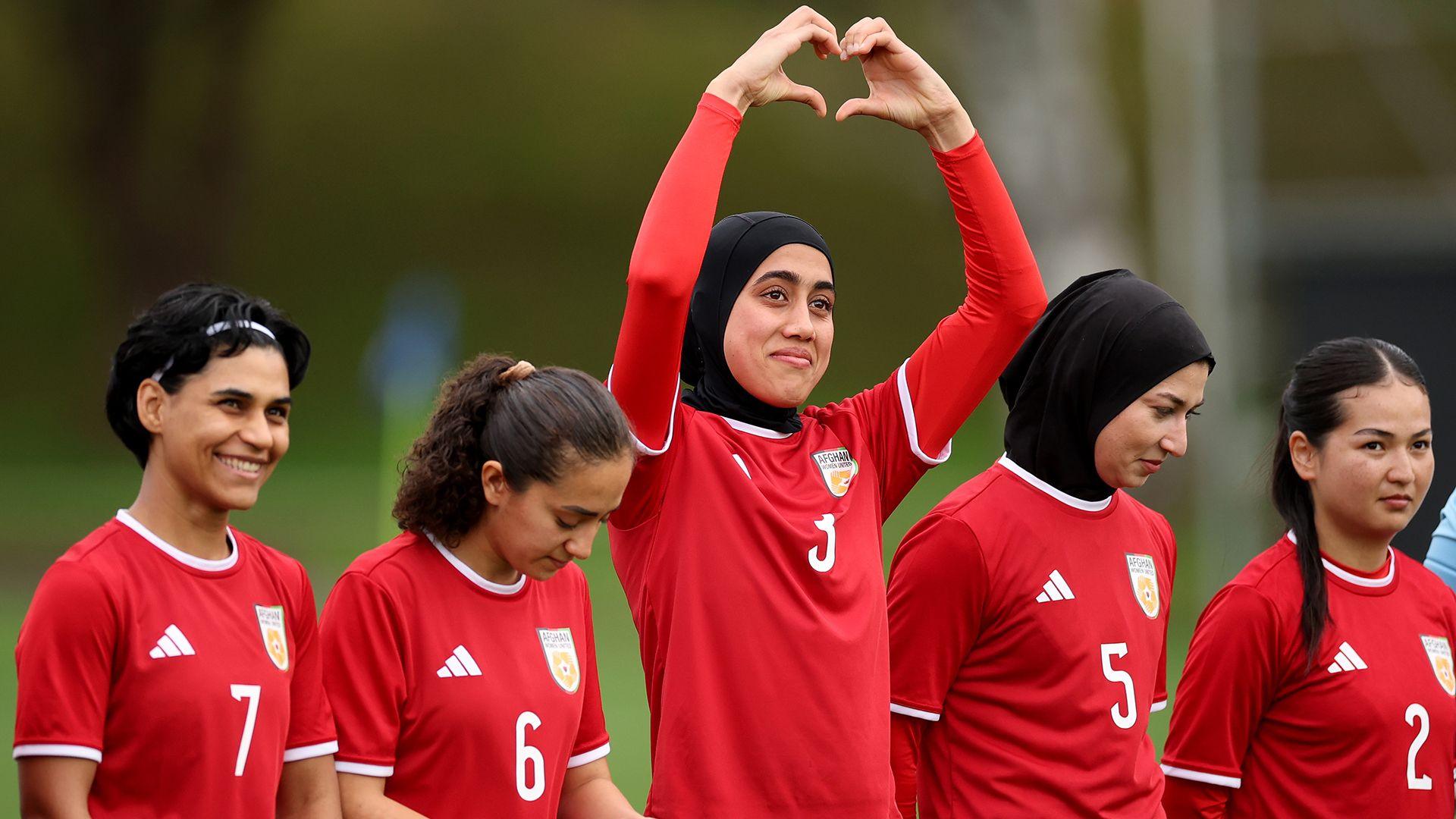
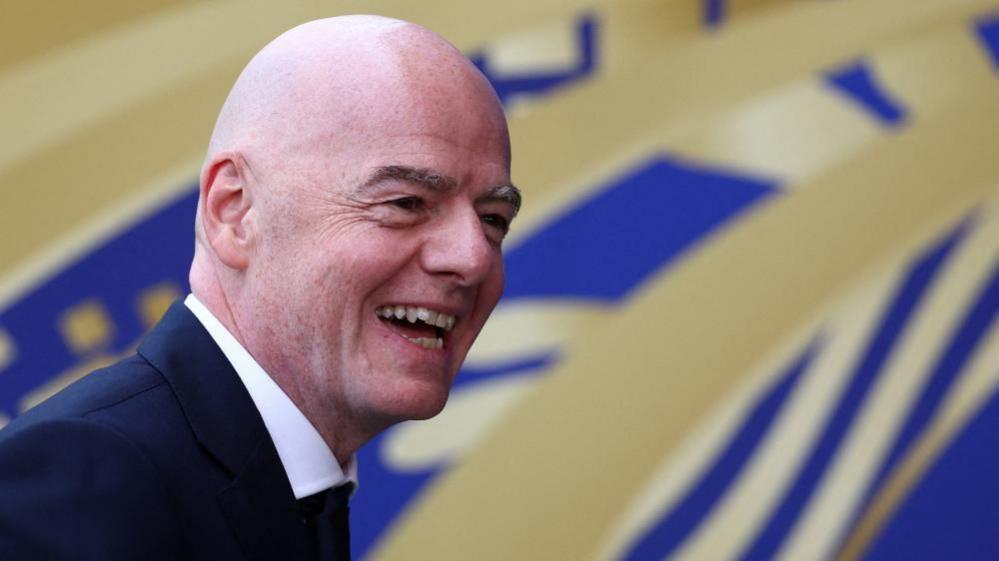
The appeal of football extends beyond sport. Fouzi Lekjaa, President of the Royal Moroccan Football Federation, turned his global‑club reputation into a political brand, vowing to qualify Morocco in education, healthcare and the economy with the same ambition that placed the national team in the 2022 World‑Cup semi‑finals. His party, the Party of Authenticity & Modernity, leverages the “Sir” chant—a call for action that has become familiar to millions of fans across the country.
But not all parties align so brightly. The PJD, turned by former Prime Minister Abdelilah Benkirane, counsels a break from ties with Israel, striking a chord with a populace already working to rebuild from the Gaza war. The promise of a ten‑year job‑creation plan—one‑million jobs by 2031—promises a brighter future, though experts caution that the kingdom’s economic structure may lack the flexibility to back such a pledge.
The current political landscape therefore offers a sort of multilayered tapestry: a monarchy that remains decisive, parties that echo the urgency of Gen‑Z demands, and a migration crisis that still threatens the lives of thousands.
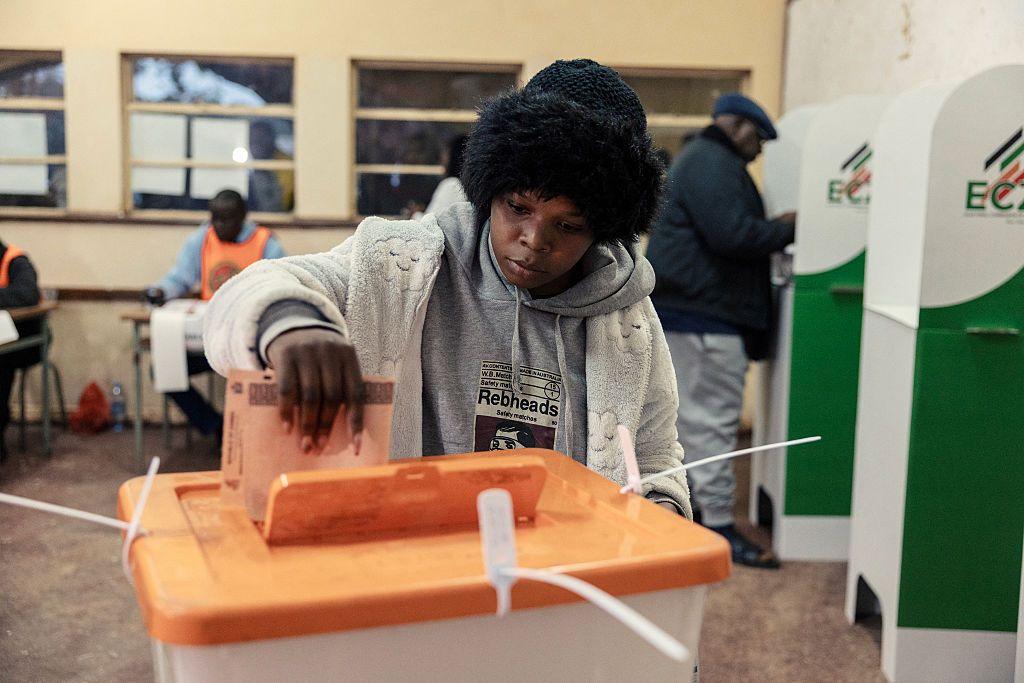
No matter the outcome, the election is already attracting a new generation of voters who understand that the “microscale” matters. By speaking up about homes, schools and societal needs, they are staking a claim for a place at the table of the next government. They will go to the polls in the hope that a future can be written with younger hands guiding the discourse, offering a bridge between a sport‑driven generation, a crisis‑shaped political agenda and a region still navigating complex regional relationships, including a contested relationship with Israel. Watch the political landscape unfold, and keep the conversation alive—online, on the field, and on the beaches of Ceuta.