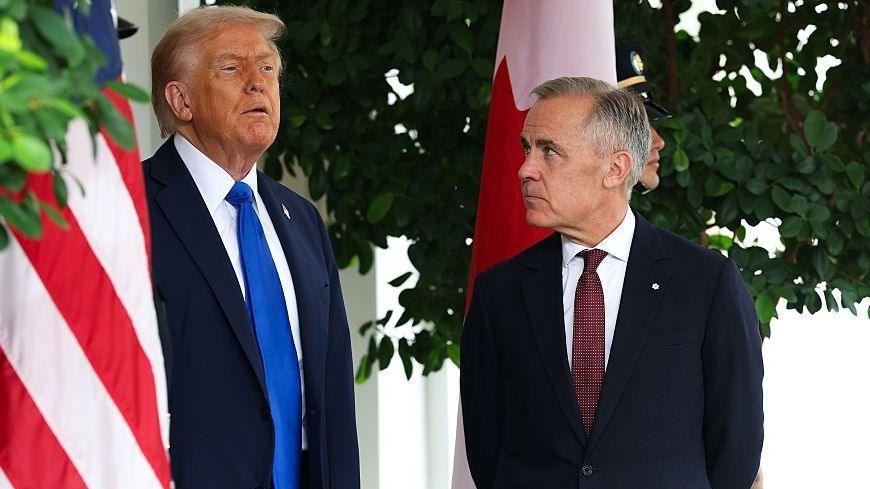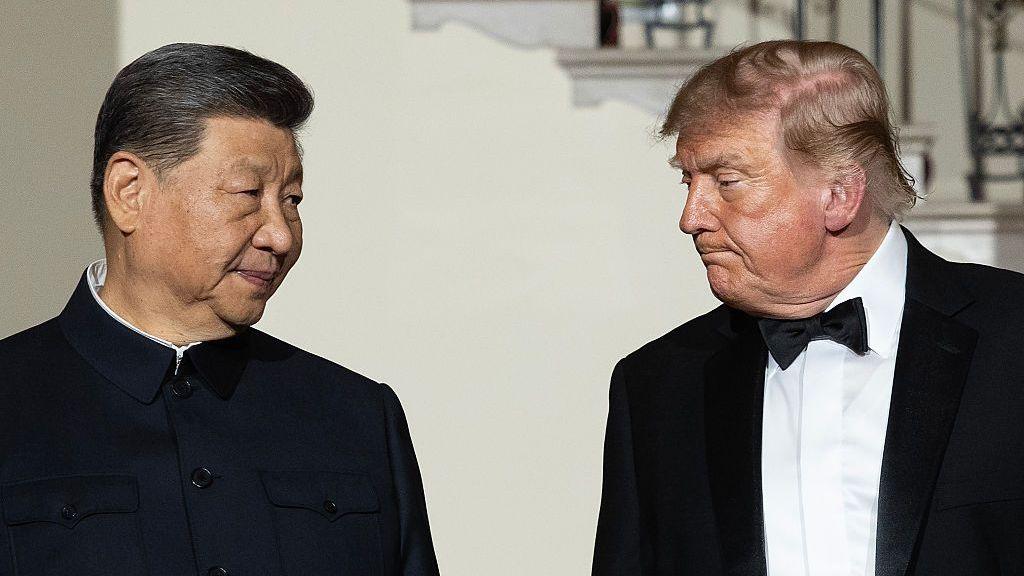
On Monday, China released its version of what was agreed at the Trump‑Xi summit, offering a handful of concrete outcomes. Despite two weeks of high‑profile tours and promises of warmer ties, the talks concluded without a joint statement, suggesting that Washington and Beijing still view each other with suspicion.
Four key take‑aways emerge, but a fifth question remains unanswered:
A new AI dialogue and communication channel
Beijing says it has agreed to launch a new AI dialogue, with follow‑up talks set for the end of November. The two powers also established a communication channel for AI‑related incidents to help avert misunderstandings that could spiral into wider confrontations.
The discussion came amid concerns that U.S. firms such as Anthropic were urging a slowdown, and that OpenAI had accessed certain government networks abroad.
Trade truce – what was included, what was left out
Chinese state media confirmed that the trade truce extends to 10 January, allowing both leaders to meet again at future summits. Trump will attend the APEC summit in Shenzhen; Xi is slated for the G20 in Miami.
The truce yields lower tariffs on roughly $30 bn of goods imported into the U.S., benefiting items from toys to holiday decorations. In return, Beijing pledged to buy at least 10 million metric tons of coal each year in 2027 and 2028.
What was missing: no talk of Chinese rare‑earth exports to the U.S. and no easing of U.S. semiconductor restrictions.
The US left out Taiwan – but China didn’t
While Washington’s factsheet omitted Taiwan, Beijing’s version said Xi urged Trump to oppose Taiwan independence and handle the issue with care. Trump later said that the defense of Taiwan was the only thing he could confirm.
Trump prompted less on the topic this time, saying, “We didn’t talk about it too much… It’s just moving along.” His silence may signal the administration’s discomfort with a hard‑line stance.
China may be opening the investment doors
China said it will allow more foreign financial firms—including U.S. banks and insurers—to apply for business and office openings. However, approvals remain subject to domestic regulations.
Foreign firms have long complained about licensing hurdles and exit‑ban concerns that make expansion difficult. The U.S. State Department still flags travel to China as a Level 2 advisory citing arbitrary enforcement risks.
So what do we know?
The summit produced more dialogue than decisive policy change. Advanced technology, trade and Taiwan remain unresolved, but both sides ended with promises of greater communication and modest economic gestures.