In brief
The White House quietly took down its 'Build The Wall' Tetris‑style game amid a copyright dispute with the Tetris Company. The game, part of a larger arcade collection, prompted a swift response after the company flagged the use of its proprietary gameplay. While the site now shows no sign of the game, four other mini‑games remain online. This incident follows a pattern of the White House using video‑game imagery in political messaging, sparking criticism from the gaming community.
White House Pulls Tetris‑Style ‘Build The Wall’ Game After Copyright Concern
The White House’s digital portal removed its five‑minute addictive arcade called Build The Wall, days after the Tetris Company warned it was infringing on the iconic puzzle game’s design and mechanics.
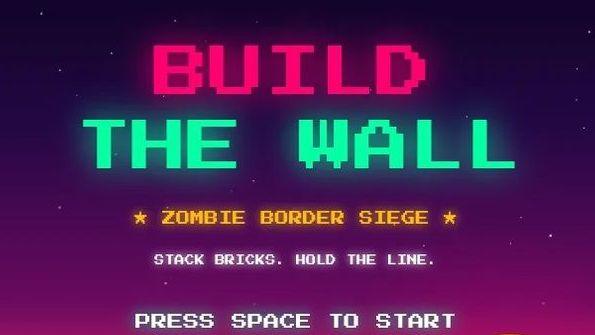
The game, which had visitors stack colored blocks to “build a wall” that would “protect the border,” was one of several mini‑games that appeared on the official website. The title was highlighted in a screenshot showing a neon‑pink and green banner with the words Build The Wall and a secondary tagline “Zombie Border Siege.”
The Tetris Company made the matter public on its official X account on 4 September, stating it was “not involved … and takes copyright infringement very seriously.” Their comments stressed that the game “meant no harm” but that the use of the classic falling‑block mechanics and block‑grid design was a direct violation of their intellectual property rights. The company has a long history of legal action against block‑based games that look too similar, including a 2012 settlement with the creators of the iPhone game Mino.
White House officials have yet to issue a public explanation for the removal. The site now shows no trace of the title, but four other simple arcade titles remain: Flappy Bill, a Flappy‑Bird‑style dodge game featuring skyscraper silhouettes; Rio Run, a snake‑like game in which players “patrol the line along the river” while accumulating a “Deported” score; Zombie Border Siege – a block‑stacking side‑scroller that partners the first two in theming; and one unnamed clone of a popular mobile puzzle game that is similar in layout to Tetris.
The controversy comes amid a growing backlash against the White House’s use of gaming motifs for political rhetoric. In October 2025, the official White House X account posted a controversial AI‑generated image of President Trump in a Halo‑themed suit. More recently, in March 2026, it mixed footage of U.S. military strikes on Iranian targets with a clip of Master Chief shouting “finishing this fight,” prompting backlash from the voice actor Steve Downes. Pokemon and other gaming governments have also publicly criticized the use of their characters as memes in campaign graphics.
For viewers interested in this story’s broader context, the Pokémon Company’s complaint and the post‑release comments on the former Prime Minister’s game‑style coverage outline similar concerns about brand misuse and copyright infringement.
Video Games and the White House
The arcade section is just one way the current administration (under Donald Trump) has integrated video‑game culture into its public messaging. The trend has drawn criticism from lawmakers, developers, and the media alike, noting the blurred line between entertainment and political propaganda.
Minimally, the White House website’s mini‑games serve as a low‑cost, high‑visibility platform. Yet the recent removal of Build The Wall illustrates that even playful political content can cross legal lines if it adopts another company’s signature gameplay without permission.
If you want to stay on top of the latest tech and gaming cross‑overs, sign up for our Tech Decoded newsletter. For readers outside the UK, you can subscribe here.