In brief
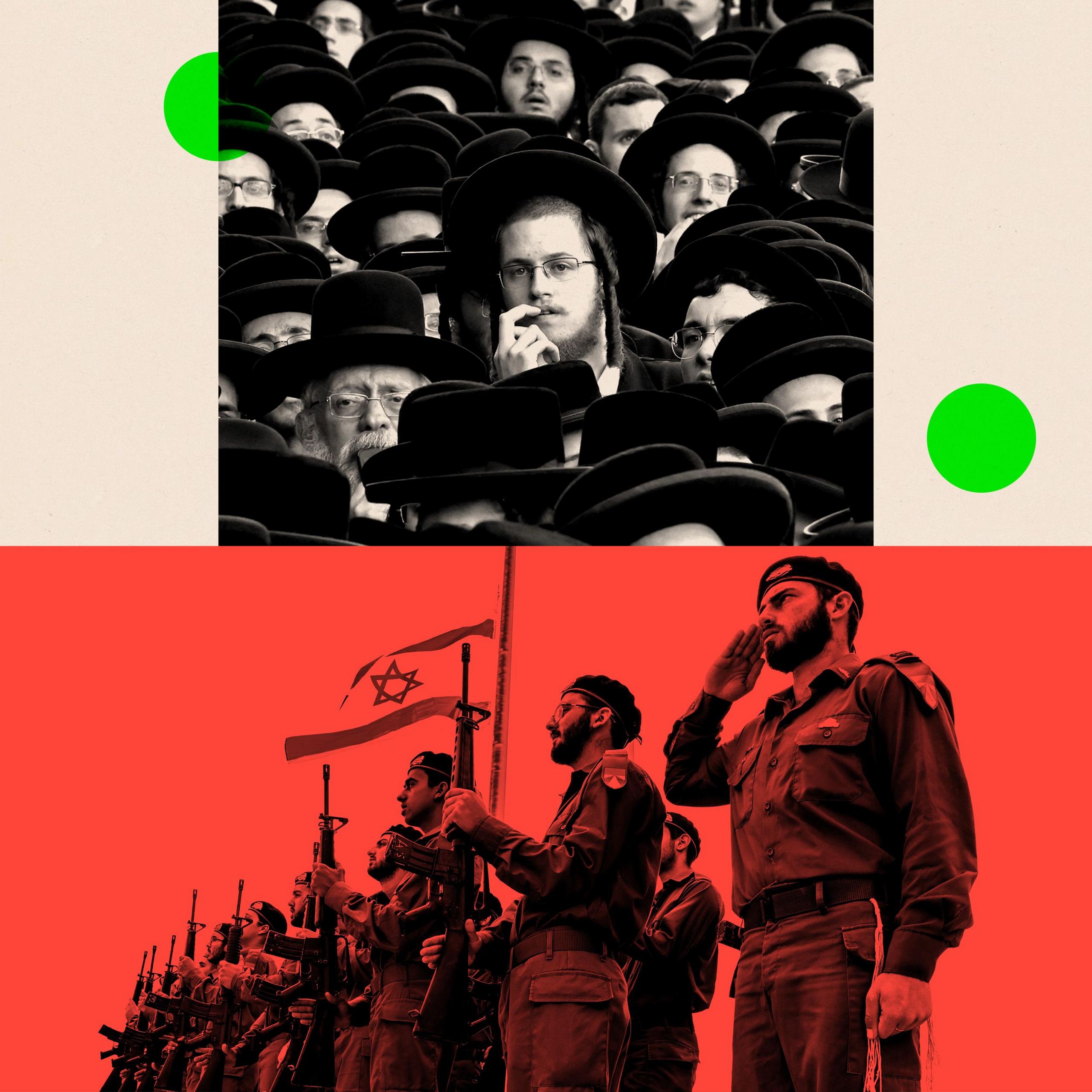
In the heart of Israel, a clash between ultra‑Orthodox men and the military police over draft exemptions has exploded into a national crisis. The dispute echoes deeper divisions as the Haredi community, making up around 14% of the population, demands exemption from conscription while Israel faces manpower shortages in wartime. Politicians from both sides of the aisle are scrambling to secure support from these voters, turning the issue into a key electoral pivot. If the status quo persists, the Haredi parties could either keep Netanyahu in power or become kingmakers in a fractured coalition.
Israel faces a rising crisis as ultra‑Orthodox men in white shirts, fur coats and black fedoras confront state security forces over military draft exemptions. The dispute centers on a building in Modi‑in, where police sought to arrest a young Haredi who failed to report for service.
For years the ultra‑Orthodox community enjoyed exemptions from Israel’s compulsory army service, a privilege tied to their commitment to full‑time Torah study. However, Israel’s growing military demands amid the war against Hamas and rising settler violence have turned the practice into a point of national friction.
The Haredi population is expanding rapidly, with a birth rate that could raise their share of the Jewish population to 33% by 2050. At the same time, the Israeli state spends roughly 35bn shekels a year—about £8.4bn—subsidising the community, covering both education and living costs.
Political leaders on both sides are under pressure. Netanyahu’s government emphasizes the need for Haredi participation in the armed forces, while Haredi parties such as United Torah Judaism and Shas demand continued exemption and the protection of their community’s traditions.
In the upcoming elections, the Haredi vote could decide the balance of power. If Netanyahu’s coalition loses the Haredi parties, his government would fall below the 61‑seat threshold needed for a majority.
A new Haredi party, The Public Party, proposes a compromise: allow Haredi men who are not full‑time study students to serve while preserving core religious identity, hoping to pivot their communal politics. Yet doubts remain over whether such reforms can gain traction among a base deeply loyal to traditional leaders.
Meanwhile, far‑right leaders like Itamar Ben‑Gvir and his Jewish Power party are gaining traction among certain Haredi voters, signaling a possible realignment away from conventional Haredi parties.
Regardless of the outcome, the Haredi community’s status will shape Israel’s future political landscape, forcing a reassessment of the interface between religious tradition and national duty.