Putin’s Parliment Rally Signals No End to Ukraine War
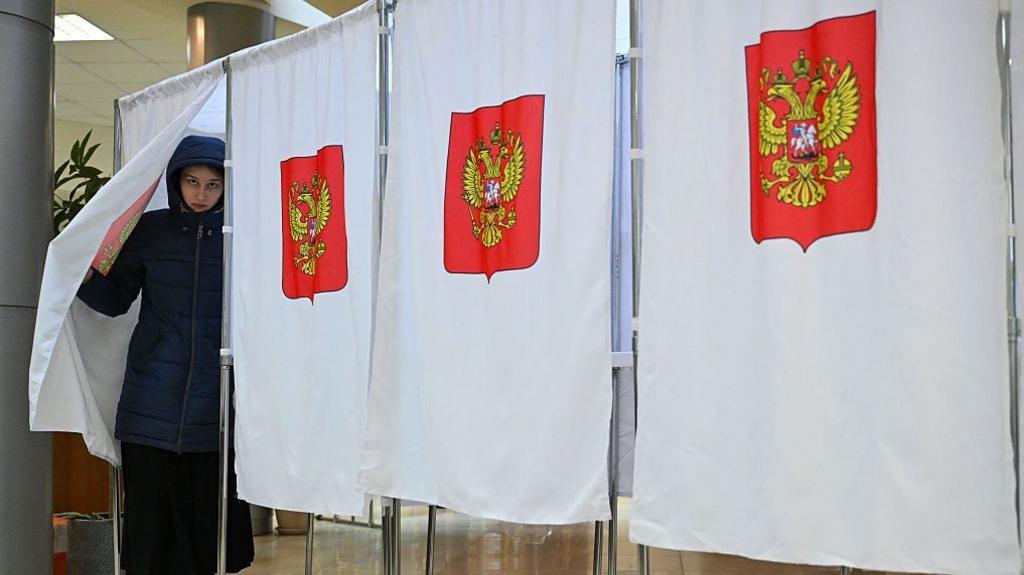
When Russia’s President Vladimir Putin stepped onto the floor of the State Duma on a cold Wednesday, the chamber erupted in cheers, a spectacle that underscored a new political reality: the ruling United Russia party has seized a record number of seats after the so‑called “special election operation.”
The move gives the Kremlin a sweeping mandate to “defend the nation” and, according to Moscow’s claim, to renew its campaign in Ukraine. The political calculus follows a campaign that has seen the State Duma “blue‑printed” a regime that is harder‑line than ever before.
Putin is slated to speak at the Valdai Discussion Club later in the week, a forum that traditionally offers a window into the president’s worldview. Journalists around the world anticipate that the address will reaffirm Russia’s commitment to its Ukraine operations despite the considerable battlefield losses and economic toll.
Behind the rhetoric is a narrative that portrays Ukraine as a neo‑Nazist puppet, using it to justify continued use of force. Moscow claims that the West’s military aid is effectively a war against Russia, and the Kremlin escalates that messaging with hybrid‑war tactics—cyber‑attacks, sabotage, and drones that trail European airspace.
In a recent interview, Foreign Minister Sergei Lavrov insisted that the West’s aid constitutes an “European war” against Moscow, even as he highlighted the destruction of missiles and drones supplied to Ukraine as acts of brute force. His words point to a broader strategy aimed at diminishing European support by sowing uncertainty and fear.
The edge of the evolutionary playbook is further illustrated by Kremlin strategist Sergei Karaganov, who warned that if Europe refuses to back down, Russia may face scenarios that culminate in nuclear escalation. Karaganov’s rhetoric underscores a chilling narrative that the stakes are now the entire continent.
The geopolitical chessboard remains in sharp focus: Russia’s recently bolstered parliament, the Kremlin’s unyielding war narrative, and the sharpened pulse of hybrid tactics have all converged to indicate that the executive and its allies see no exit for the Ukraine conflict, at least in the near term. The world watches as Moscow’s agenda for a tougher approach against its European neighbours unspools in existing and emerging media channels, promising a continuation of conflict that defies early calm expectations.