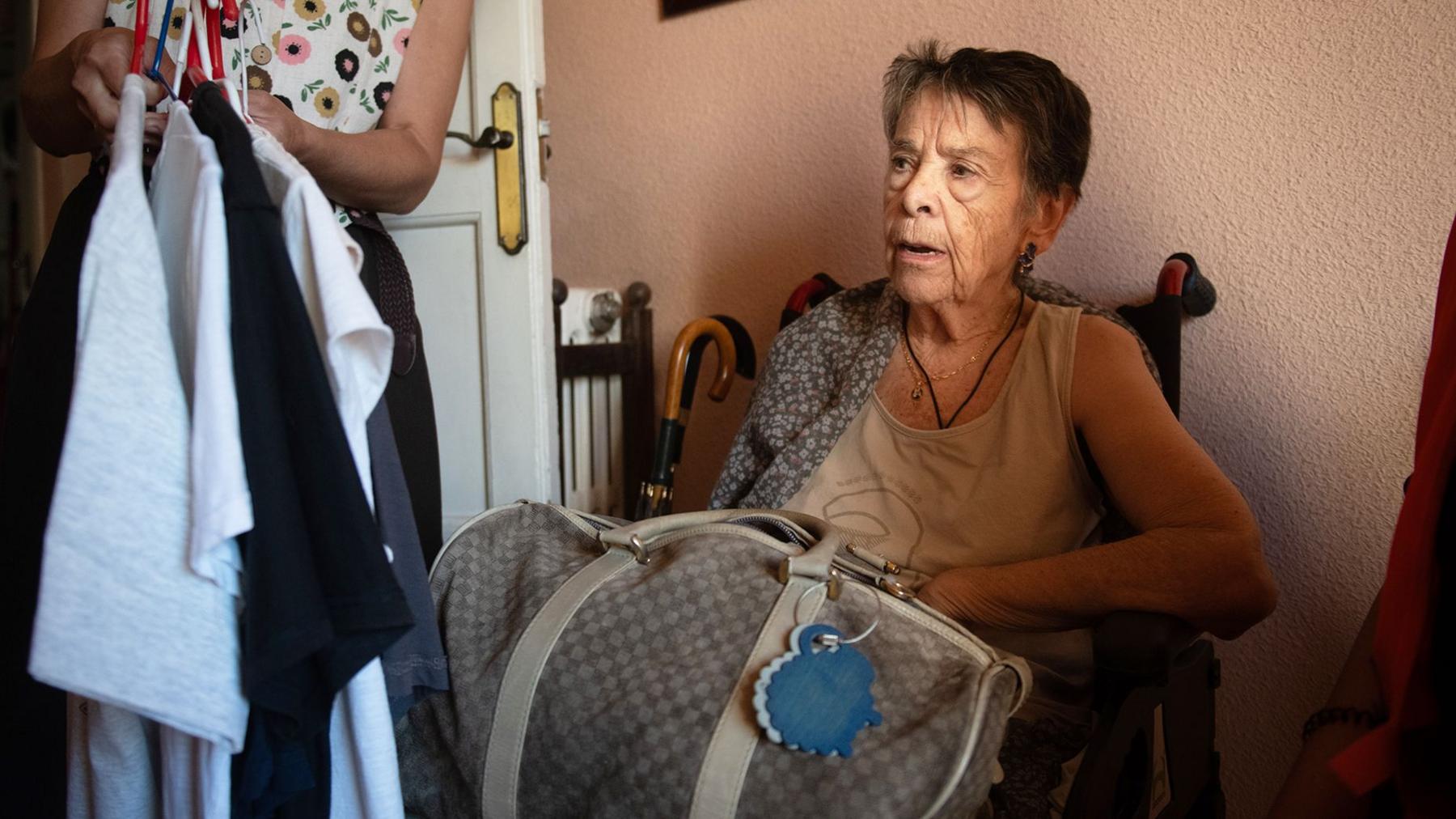
The coalition that holds Spain’s government has backed a package of new housing laws after mass protests were triggered by the eviction of 87‑year‑old Maricarmen Abascal from her Madrid apartment last week.
Health Minister Mónica García said the proposals could offer relief to more than five million residents. Highlights include a possible ban on evictions until 2030, rolling over housing‑contract deadlines until 2028, stricter rules on short‑term and room‑rentals, and a prohibition on house‑purchasing by investment firms.
Reform‐skeptics such as opposition figure Míriam Nogueras countered that the deal would leave small landlords at a disadvantage and that the language applied to investment‑owned properties is too broad. "Lumping together those who invested their savings in a flat or a business and treating them the same as a capital fund is a mistake," she told RTVE.
The budgetary package is still subject to a parliamentary vote, but the government has 30 days from the decree’s publication to secure the majority needed for consent.
Talks are set to move forward when Housing Minister Isabel Rodríguez is expected to detail the proposals in a press conference later Tuesday.
Sources say that Abascal’s lawyer has reached a deal with the owning company that may allow her to return home, but the ageing tenant is still recovering after being taken to hospital on a stretcher. The eviction sparked a camp at Puerta del Sol in central Madrid, drawing hundreds of protesters. Rainbow banners and a community of thousands have echoed the demands for a fairer housing market across the nation, underlining the urgent need for regulatory change at the heart of Spain’s real‑estate crisis.