Sri Lanka Court Convicts 15 Men Over Deadly Easter Sunday Bombings

The High Court in Colombo handed down severe sentences to 15 men implicated in the 2019 Easter Sunday bomb attacks that claimed 270 lives and wounded more than 500 people.
The defendants, including Naufer Moulavi who prosecutors say masterminded the gospel‑based suicide bombings, received terms ranging from 200 to 260 years. Nine of the 25 original suspects were acquitted, and the remaining were charged with more than 23,000 offences.
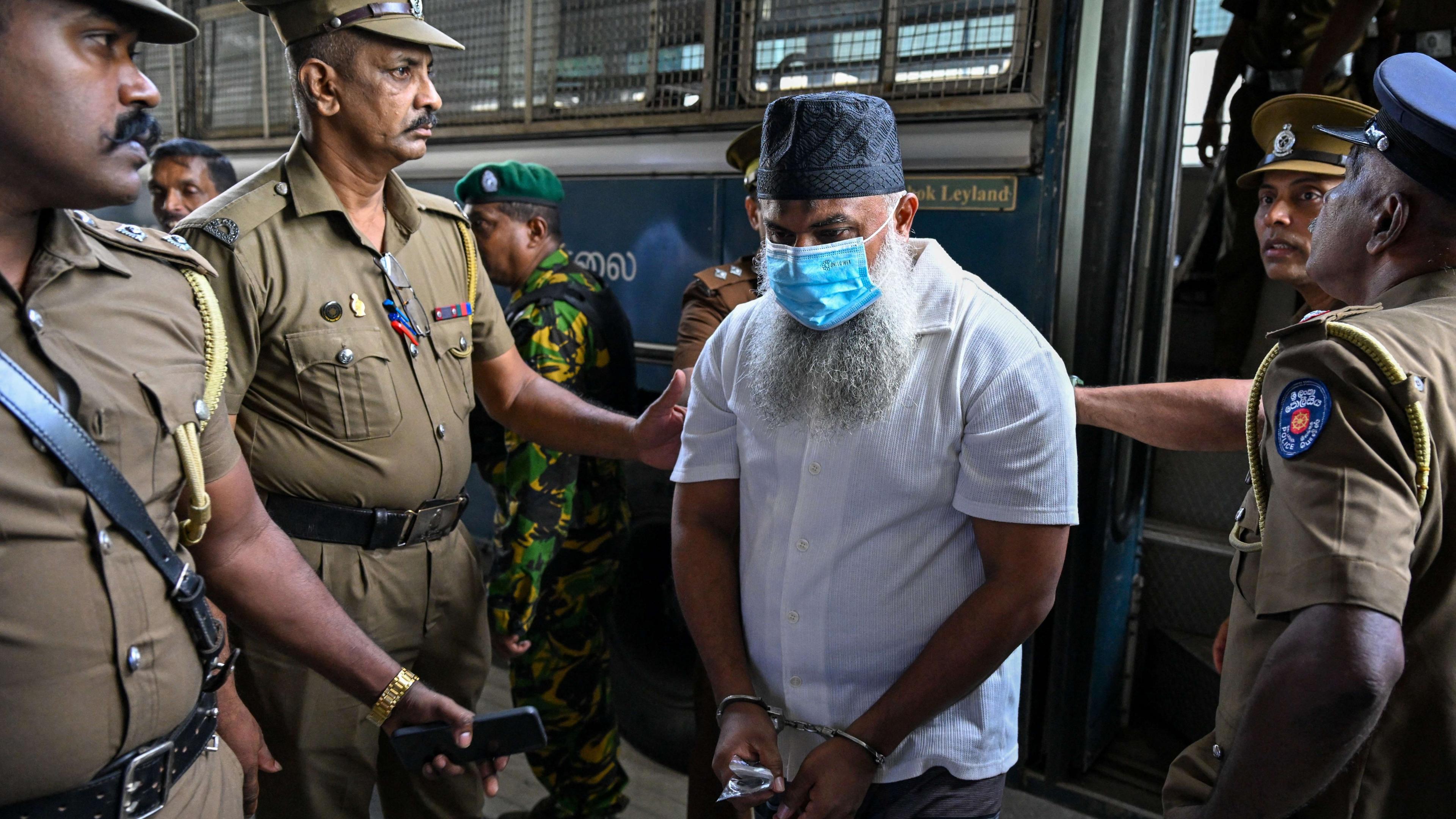
All assets of the convicted men – both movable and immovable – were seized as part of the court’s order. They were transported to the courtroom in pairs on two prison buses, handcuffed in front of a police and commandos‑heavy security detail.
The attacks were carried out at three churches and three luxury hotels, including the Shangri‑La, where among those killed were three children of a Danish billionaire. The victims were largely Sri Lankan, with many children, as well as foreign nationals such as 11 Indians, eight Britons, eight Americans, and others from Australia, Bangladesh, China, Denmark, Japan, the Netherlands, Portugal, Spain, Sweden, Switzerland and Turkey.
Intelligence Lapse Allegations
Investigators and parliamentarians cite a major intelligence lapse, claiming an Indian tip‑off about the attacks was not shared with Sri Lankan security services. In 2023, the Supreme Court ordered former President Maithripala Sirisena to pay millions in compensation for the nation’s security failures.
Last month, two former senior officials were sentenced to death for criminal negligence leading to the bombings, although executions are typically commuted to life sentences under Sri Lanka’s moratorium.
The verdict follows ongoing investigations into former Intelligence Chief Suresh Sallay, accused of orchestrating the bombings alongside Islamist extremists. He denies the allegations. Former President Gotabaya Rajapaksa, who was elected after the attacks and has denied involvement, remains under travel bans and seeks to avoid potential arrest.