In brief
Twenty‑five years after the attacks that tore through New York, a family’s grief remains a living memory. John Resta and his wife Sylvia, who lost their unborn child on 11 September, recount how the events seep into their everyday life. They regularly visit Guantanamo, where Khalid Sheikh Mohammed’s pre‑trial proceedings have stretched for two decades, marked by allegations of torture that have delayed justice. The families are split over a plea‑deal that would keep the defendants outside a public trial; some hope for a full courtroom reckoning, others accept it as the only path to closure. As a trial date is set for 2028, the relatives grapple with the fear that their elders may never witness the verdict they seek.
The US government dubbed the 9/11 attacks the most egregious criminal act on American soil in modern history. Yet, in a country that still remembers the day, the promise of justice lingers unsettled for many victims’ families.
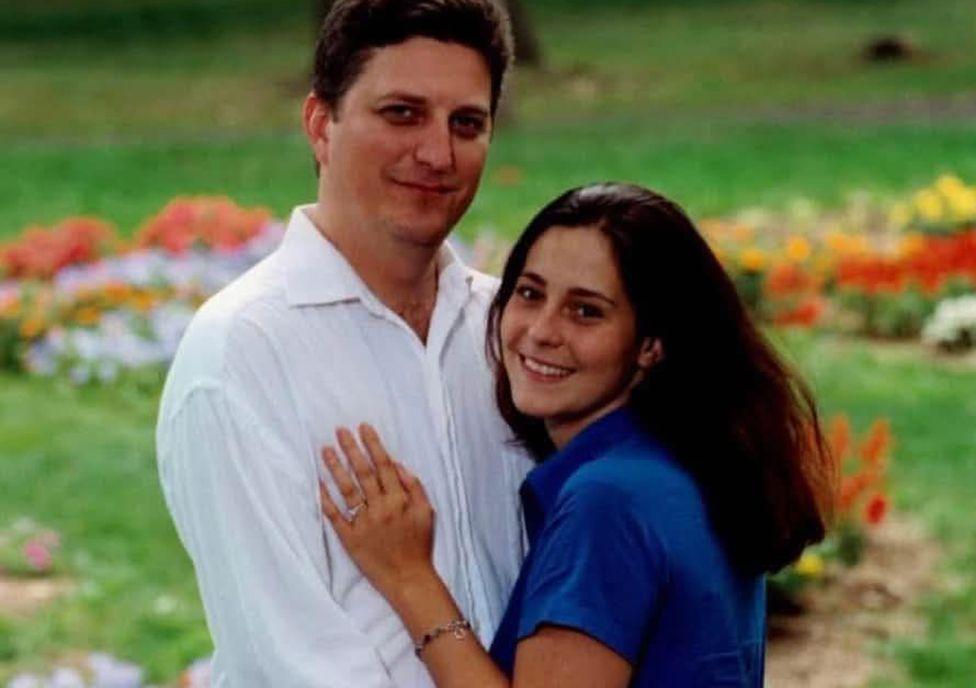
John Resta’s brother and wife—both traders who worked on the 92nd floor of the North Tower—were among the almost 3,000 people killed on that day. They had been preparing a nursery for their unborn child, decorating it with Blue’s Clues characters, when the world changed.
Since 2001, the Resta family has made four trips to Guantanamo Bay to observe pre‑trial proceedings aimed at uncovering who planned to turn commercial planes into bombs. Those sessions have taken longer than any other war‑related trial in US history.
A new development saw the US court set a tentative start date for the trial in June 2028, a promise that both offered a glimmer of hope and a reminder that the clock is ticking for those who could still testify or watch the verdict.
The delay has two roots: first, allegations that Mohammed and co‑defendants were subjected to torture—waterboarding, stress positions, and other harsh methods—in “black sites” to extract confessions; second, the complex legality of those admissions on trial. Judges have ruled such statements inadmissible, forcing prosecutors to rebuild their case against a backdrop of contested evidence.
While some families supported a plea‑deal that would keep the defendants incarcerated but remove them from a public courtroom, others argue the deal is too lenient and robs them of transparency. Brett Eagleson, whose father died in the attacks at 15, said a public trial is how society can finally confront the truth.
The US government paused a controversial guilty plea plan at the last minute, citing that a public trial had to be preserved for the nation’s conscience. Legal scholars warn that the transformations of the pre‑trial proceedings—determining what evidence would be permitted—are ongoing and will influence how soon the full court case can begin.
For many, the plea‑deal might be an escape from continuous travel to a highly secured base. Other relatives, like Stephan Gerhardt, fear that the trial’s decades‑long delay will ultimately see them miss it entirely, turning grief into a final, unresolved pain.
When the trial eventually opens, experts predict it could last a year inside Guantanamo’s high‑security courtroom. Families now face the reality that justice may remain a distant wish as generations of victims lose the one who could watch rather than wait.