Kenya’s Crackdown on Foreign Traders Sparks Fear Among Burundian Nationals
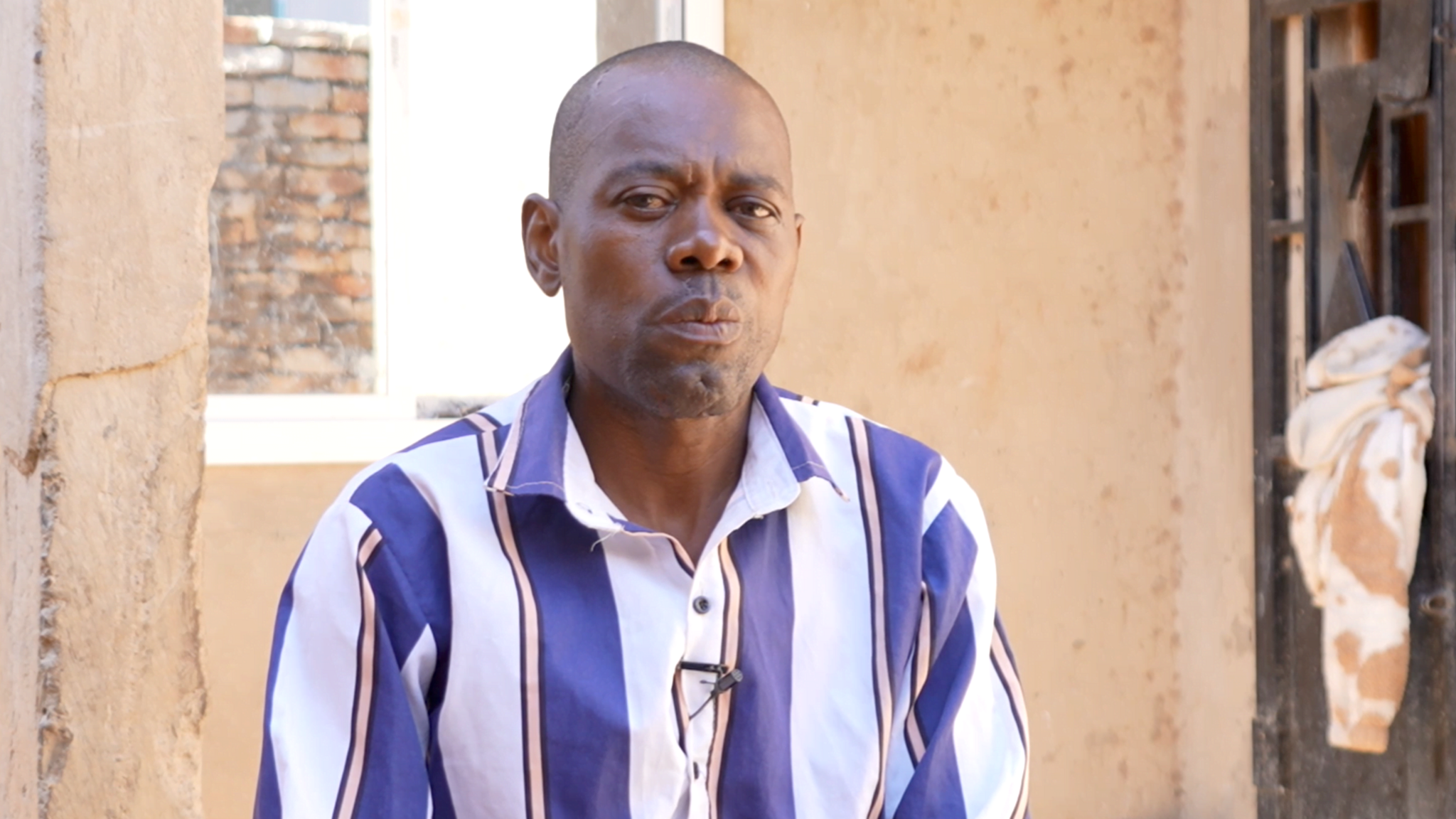
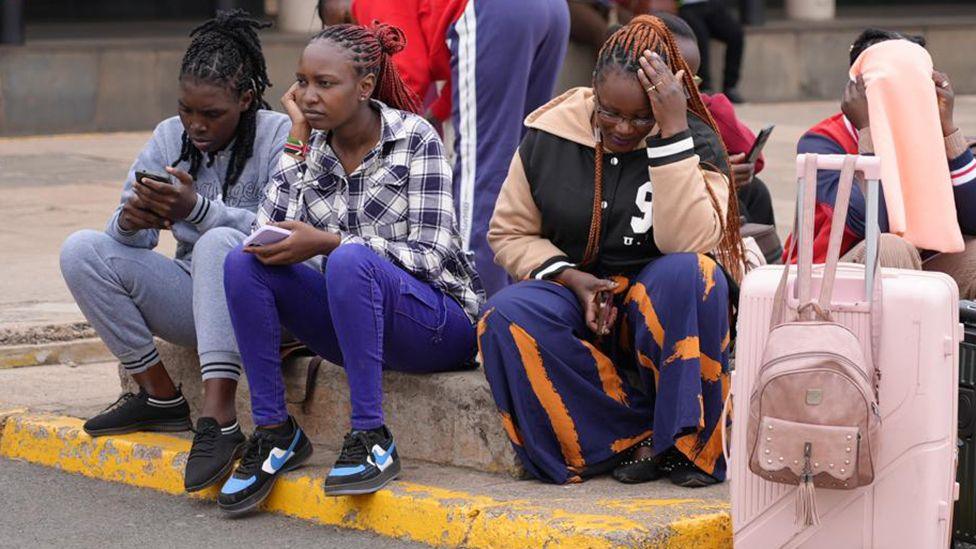
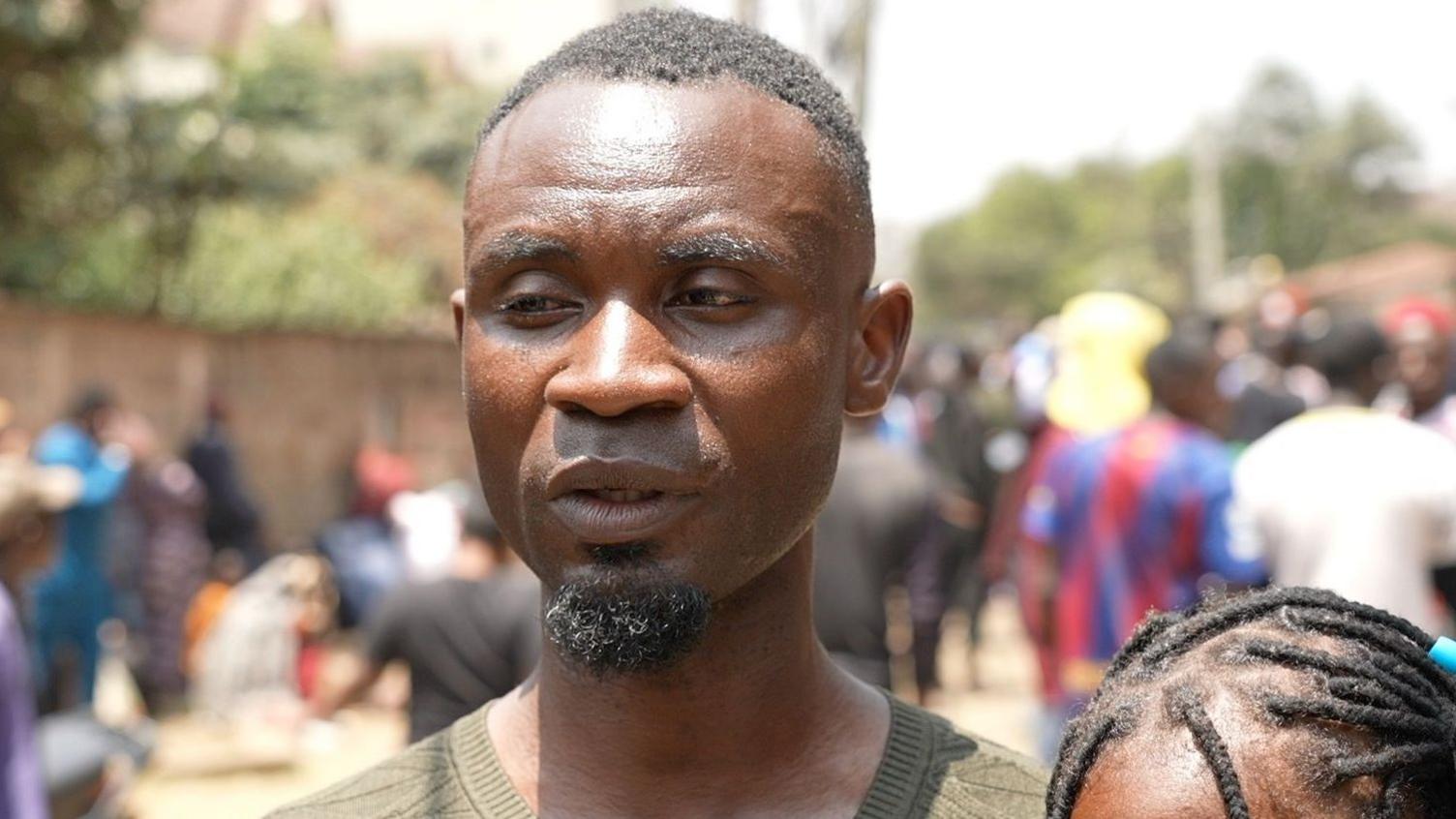
\Ten years of Nairobi’s bustling market lanes have become a precarious maze for Burundian tuk‑tuk driver Ndaikech Ali. He once praised the Kenyan hospitality that welcomed his everyday driving but now feels a chill, after President William M. Ruto’s ultimatum for foreign‑owned traders to close shop by 7 September.
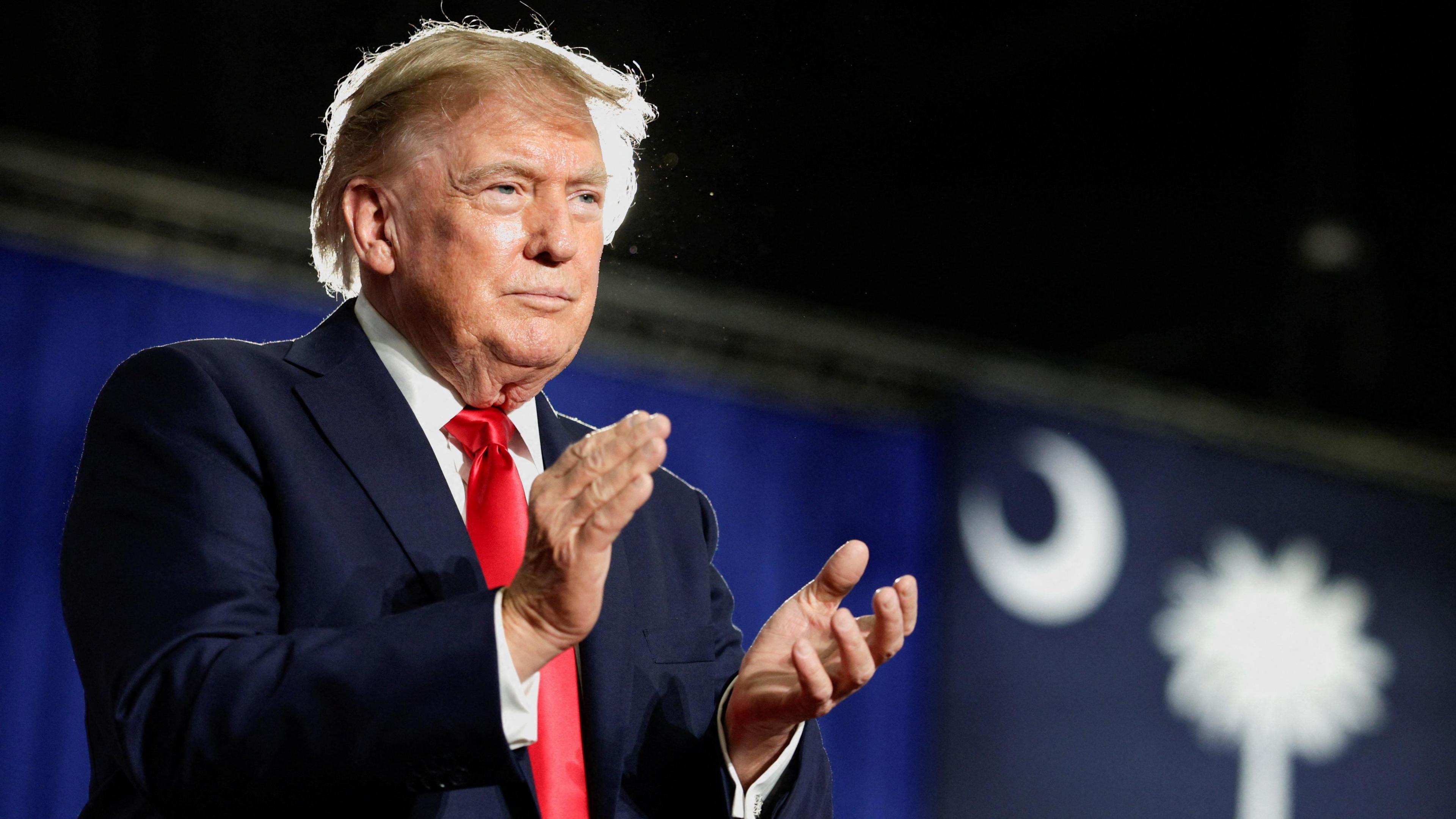
\In a sullen address at State House, Ruto told delegations that small‑scale traders—often migrants—must be replaced by local Kenyans. The directive publicly read: “All foreign nationals running small businesses have until 7 September to pack up shop.” The timing coincided with fishermen’s birthdays, an old story of how a leader’s prose can shape the city’s pulse.
\\\
“Now they have turned against us, as if a dog set loose on us,” Ali says, a voice that has carried through the embassy queues. “The threats are many… even from children.”
\
For the 66 families of Burundians who have resided in Nairobi, the ruling turned a possible political gesture into a community crisis. Some have fled to border crossings, leaving children stranded. Grace Wamaitha, a Kenyan resident of Majengo, narrates the painful loss as her Burundian husband crossed the line the day after Ruto’s declaration, leaving her to feed five children alone.
\While Kenya’s law formalises refugee work rights, the president’s order collided with that principle. Critics say the language “kicks us out” in raw terms, inadvertently fueling xenophobic sentiments. A 90‑day window now allows undocumented foreign nationals to register and be deemed legal if they complete the process, a concession that still leaves many uncertain.
\The crisis transcended the local. Elders from Eritrea, Ethiopia, and other neighbours pause their small shops as potential retaliation looms. The situation echoed a decade‑old move to demand Tata Chemicals leave Lake Magadi, a sign that Kenya is testing new limits on foreign businesses.
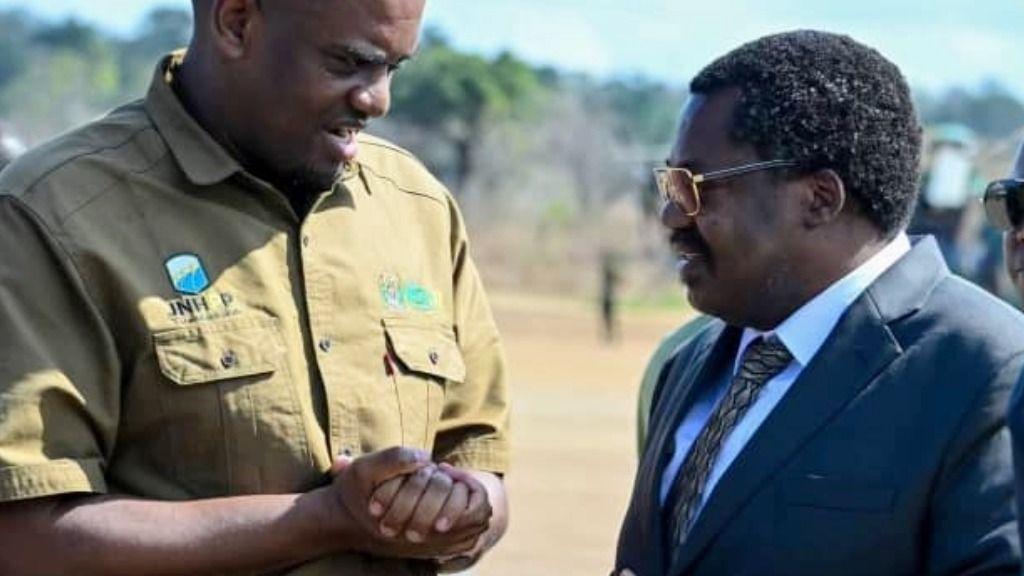
\Diplomatically, Burundi’s foreign secretary issued a stern warning that “hate speech against Burundi” could encircle Kenyan individuals abroad. In Nairobi, government aide Korir Sing’Oei offered apologies to the foreign embassies, assuring protection against violence.
\Economists point to the broader impact: Kenya’s exports to Burundi last year exceeded $56 m, a trade that would be stifled if foreign entrepreneurs run out of the economy. Ruto, eyeing next year’s elections, claims to keep Kenya “open, safe and welcoming.” Yet the narrative lingers: a dog unleashed on vulnerable city dwellers in a trafficked market.
\In the morning light, individuals sustained by small‑scale vending stand uncertain: will a small pistache seller in a street stall remain, or will the government sign in his visa now become an exit ticket? The question is stark; the answer, still forming, will ripple through Nairobi’s markets and into the heart of the East African Community.
\