In brief
In a startling move, Balinese authorities sentenced a Swiss tourist to a year in prison after a video he posted declared the silence holiday “crazy” and flaunted a quiet beach. The incident underscores how the island’s 24‑hour, no‑noise Nyepi brings swift backlash against perceived disrespect. The judge cited the offence as offensive to faith and public outrage, and the tourist expressed remorse, noting he did not understand local customs. The case adds to a growing toll of tourists being penalised for rule breaches, prompting stricter enforcement and heightened scrutiny of foreign visitors. Bali’s tourism surge—record 7 million visitors last year—now faces mounting pressure to balance economic gains with cultural integrity.
Bali’s tourism industry, famed for its lush beaches and vibrant nightlife, has now faced a high‑profile legal case when a Swiss tourist, Luzian Andrin Zgraggen, was sentenced to a year in jail after a viral video criticized the island’s sacred Day of Silence, known locally as Nyepi.
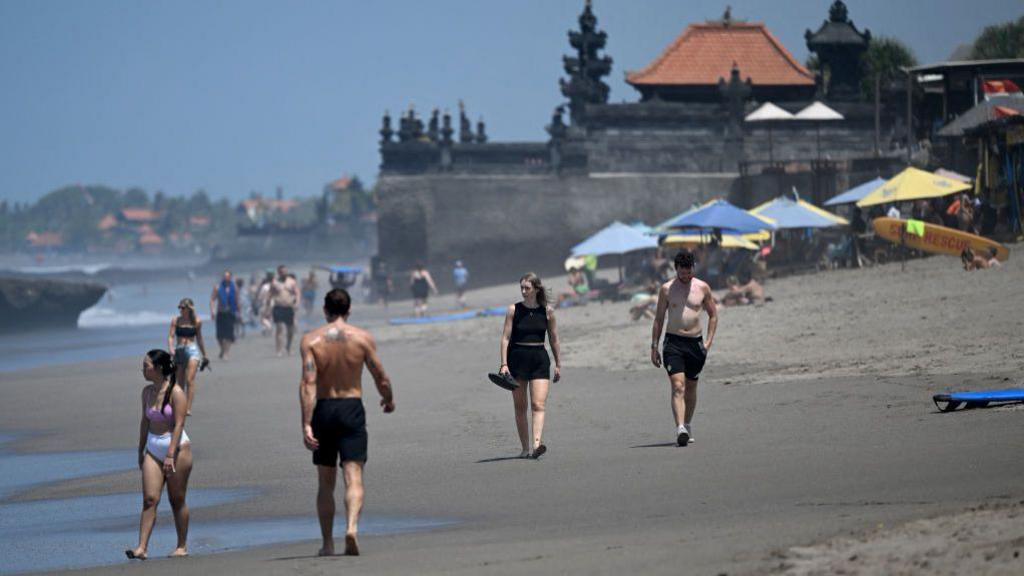
The incident took place on the 19 March of Nyepi, when faces of the island’s residents—regardless of their faith—sealed the airports, cut internet, and shut down all forms of noise and entertainment. Traditionally, this 24‑hour period of silence and reflection sees everyone staying indoors, refraining from lights, work and even speaking aloud.
During that time, Zgraggen filmed himself walking to an out‑of‑action beach and, in an Instagram caption, called the quiet atmosphere “crazy.” The post was shared widely, and the reaction in local media and on social media was one of anger and offence to the Balinese people and their faith. Authorities arrested the tourist in March, and the court found him guilty of disrespecting a culturally sacred event.
In his sentencing, the presiding judge stated, “What the defendant did offended the Balinese people, hurt their faith and provoked public outrage.” Zgraggen, however, expressed regret, explaining that he “did not understand the extent of Nyepi restrictions” and added, “I deeply regret what I did, I apologise to the Balinese people.”
Bali’s tourism has rebound swiftly after the pandemic, with an estimated seven million international visitors last year, prompting the island’s government to tighten scrutiny. Authorities have warned of increased enforcement against foreigners who break local rules, stressing the importance of respecting religious customs—especially during sensitive periods such as Nyepi.
This case serves as a cautionary tale for all visitors: understanding and respecting Bali’s cultural etiquette is not only a courtesy but a must‑have to avoid legal consequences while exploring its paradise. The island’s officials aim to preserve the sanctity of its rituals while welcoming tourists and ensuring both protection and respect remain at the core of Bali’s identity.