In brief
Between October 2025 and July 2026, over 80 people were killed across six African countries after false rumours that a man’s genitals could be stolen by a touch spread online. The BBC Global Disinformation Unit confirmed the deaths were linked to misinformation amplified by TikTok, Facebook and other platforms. Victims such as Tunduma mechanic Boniface Mgala and photographer‑businessman Michael Silavwe faced brutal attacks, while public‑health officials in Mozambique warned of Koro syndrome—a cultural belief in missing genitals—yet found no medical evidence. Governments in Tanzania, Kenya, Malawi and Mozambique have cracked down on violent mobs, and police are now investigating criminal intent behind the rumours.
More than 80 people were killed between October 2025 and July 2026, following false accusations that a simple tap could steal a man’s genitals.
The BBC Global Disinformation Unit compiled police reports from six African states and confirmed the deaths were tied to rumours of genital theft that were spread across social media platforms such as TikTok and Facebook.
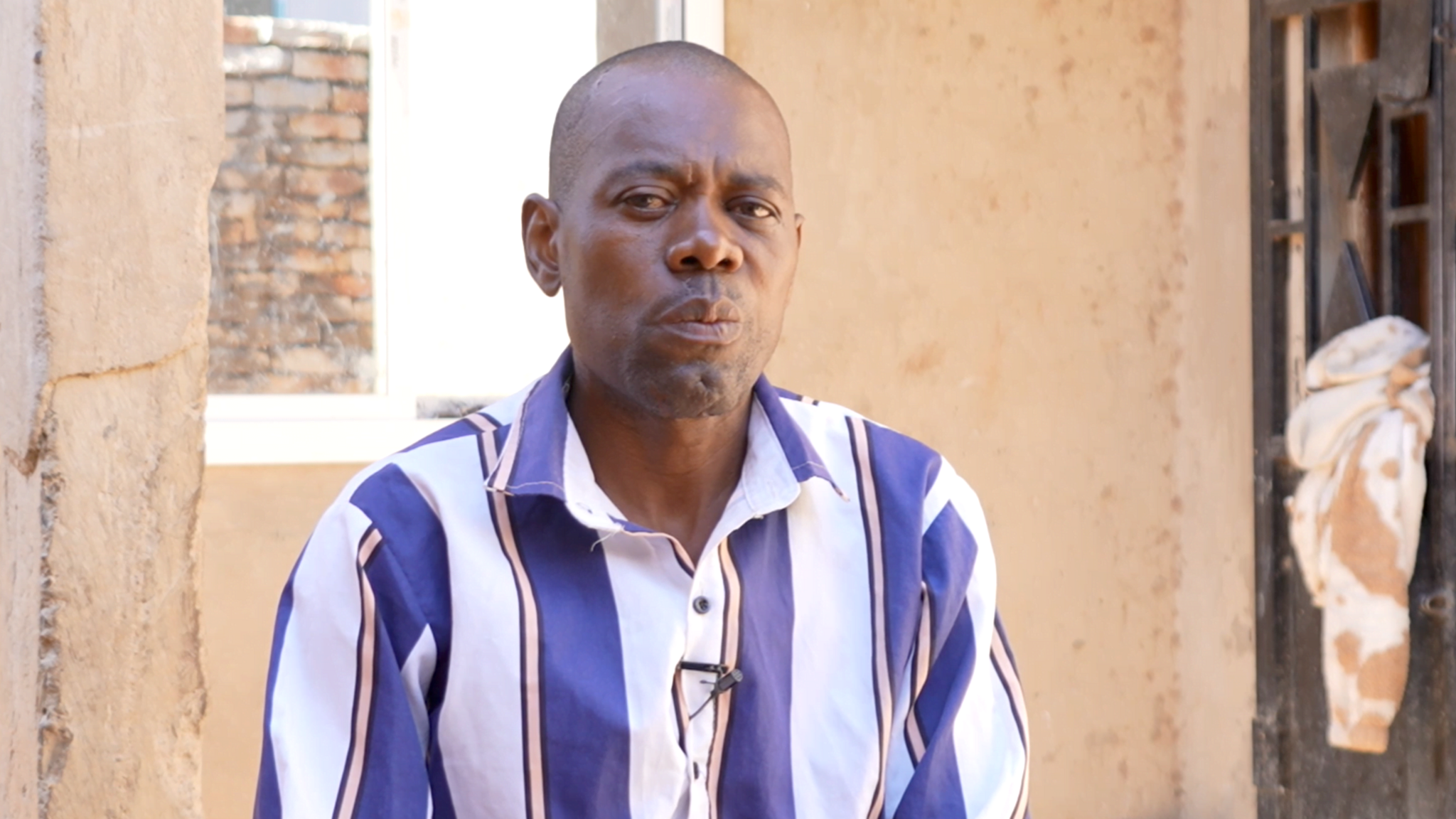
In Tunduma, Tanzania, mechanic Boniface Mgala was dragged outside a restaurant and beaten by a mob that claimed he had stolen a man’s genitals. His friend was shot to death two days later. The violence was witnessed by others, including commercial photographer Michael Silavwe, who described the mob’s demands to return the “stolen” organs.
Similar attacks were recorded in Mozambique’s Cabo Delgado, Kenya’s Kwale and Mombasa, and Malawi—resulting in casualties that number in the dozens. The highest toll was reported in Mozambique, where 55 people died in six weeks, including a police officer, health workers and civil servants.
The governments have issued counter‑campaigns. In Mozambique, President Daniel Chapo condemned the rumours and declared no medical evidence of missing genitals. Public health teams warned that the fears may be linked to Koro syndrome, a cultural belief in genital retraction hysteria.
Police in Tanzania, Kenya and other affected countries have detained suspects who spread the rumours to attract attention, and have imposed patrols to protect communities.
Social‑media creators continue to circulate videos of mob attacks, often with claims of counterfeit “glasses” that supposedly prevent the theft. Some authors argue such unverified claims seem credible because of their immediacy.
For further updates, stay tuned to BBC Africa and our online platform.