In brief
After the arrest of a Ukrainian national suspected of spying for Russia, Germany’s Chancellor Friedrich Merz declared the country a target of ‘intensive’ espionage. Officials say the suspect gathered detailed information on Germany’s armoured vehicle and ammunition production. Merz hailed the arrest as a success but cautioned that Russian intelligence activities remain pervasive. The report follows a series of arrests this year involving alleged Russian agents and highlights Germany’s pivotal role in supplying weapons to Ukraine amid the ongoing conflict.
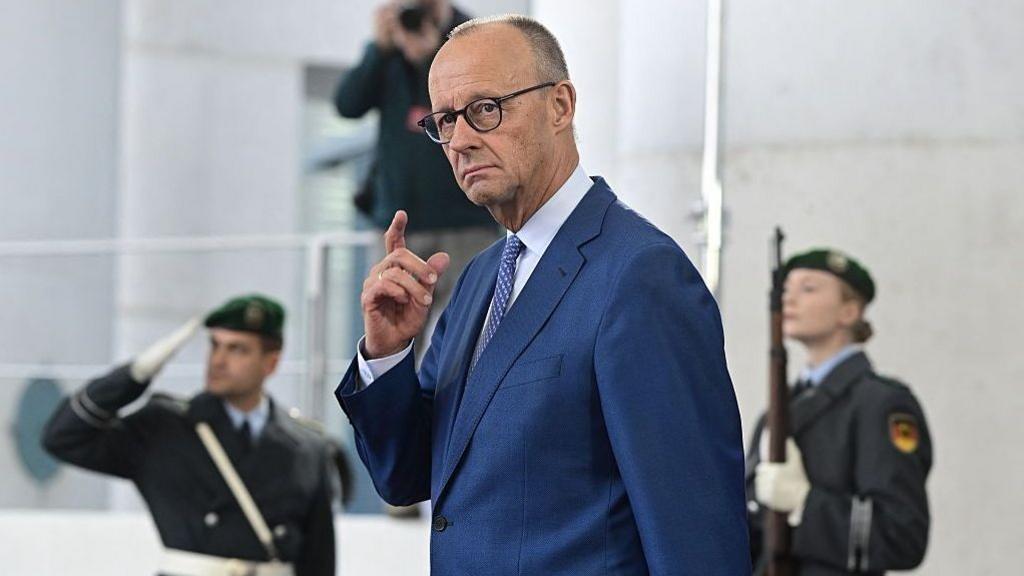
Germany is under an ‘intensive’ espionage threat, Chancellor Friedrich Merz said after a Ukrainian national was arrested for allegedly spying for Russia.
The suspect, identified as Vadym Y., is accused of collecting military‑related intelligence from German factories that produce armoured vehicles, ammunition and explosives. Police say he has been in contact with a Russian intelligence service via an intermediary since July 2025. He is due to appear before a judge on Friday.
"We have captured a case that is a success," Merz told reporters, but warned: “Let us not delude ourselves – the activities of Russian intelligence services in Germany remain at a consistently high level.”
A number of arrests this year targeted alleged agents for Russia and other foreign powers. In January a Berlin woman was detained for collecting information for a Russian embassy officer, while a Romanian woman and a Ukrainian man were taken for spying on a German drone supplier.
Earlier this month, a former BND chief, August Hanning, was arrested on suspicion of espionage, treason and passing classified documents to a foreign power. He was succeeded at the BND by the current head, who remains in Berlin.
In a separate briefing, Merz stated that the trend of espionage cases is likely to increase in the coming months, underscoring the need for tighter security measures across key industries.
Merz also reaffirmed security partnerships with UK Prime Minister Andy Burnham, discussing joint strategies to counter hybrid attacks and hostile activity. The cooperation was prompted by an alleged Russian drone attack on Leipzig/Halle Airport in September, which led to a diplomatic spat between Germany and Russia.