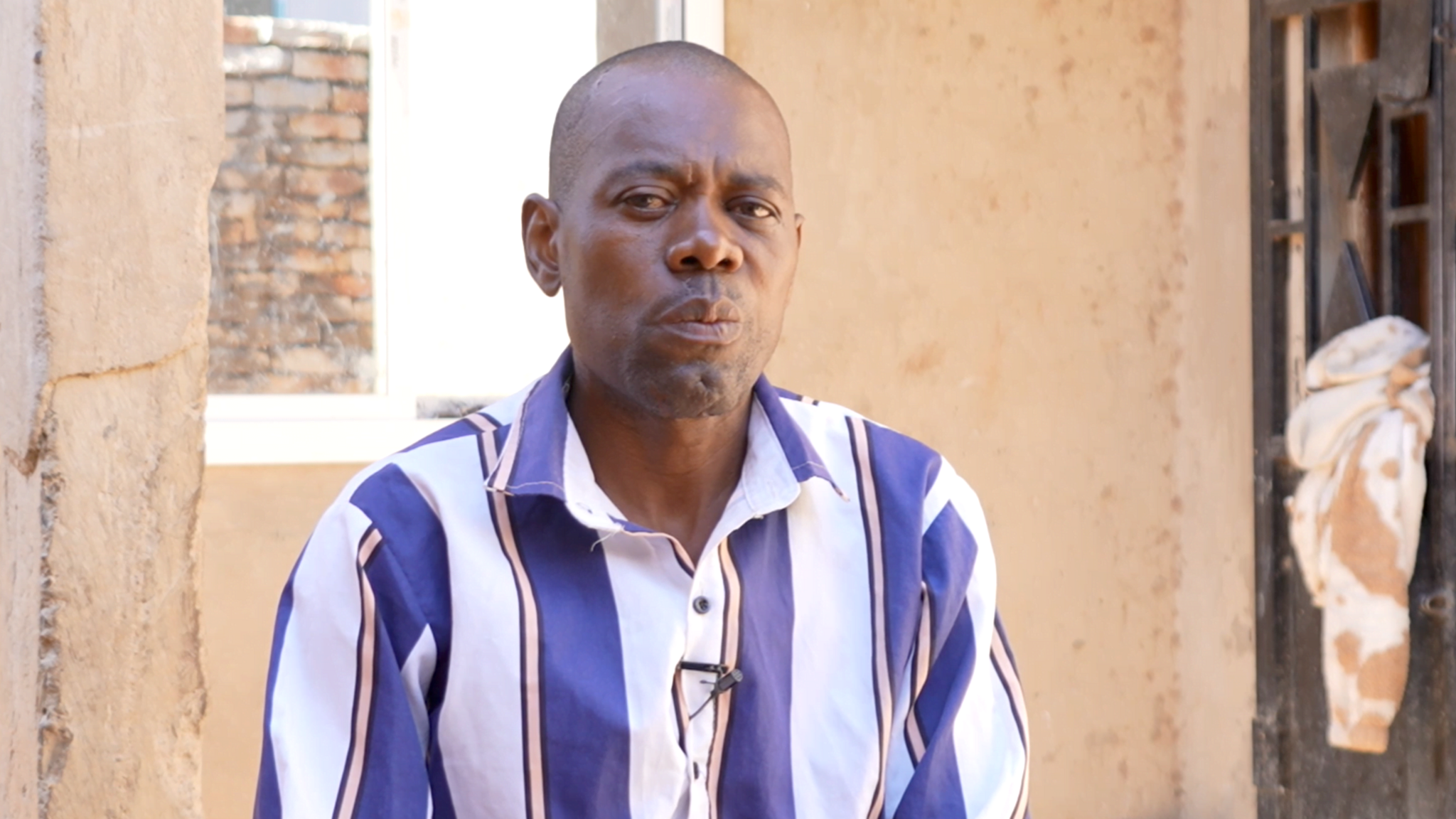

Ademba Allans has turned voting in Kenya into a cool trend. By uploading funny selfie videos with music to social media he encouraged students and citizens to sign up, making the act of the ballot feel modern and desirable.
The campaign has added more than 2.6 million new names to the electoral roll, a figure that could shift the balance in the 2027 presidential contest and sets a target of another 2.3 million for the next round.
Two years ago Gen Z erupted on Kenyan streets, forcing a retreat on a disputed tax bill. The protests were followed by a police crackdown that claimed lives and deepened a sense of distrust in the establishment.
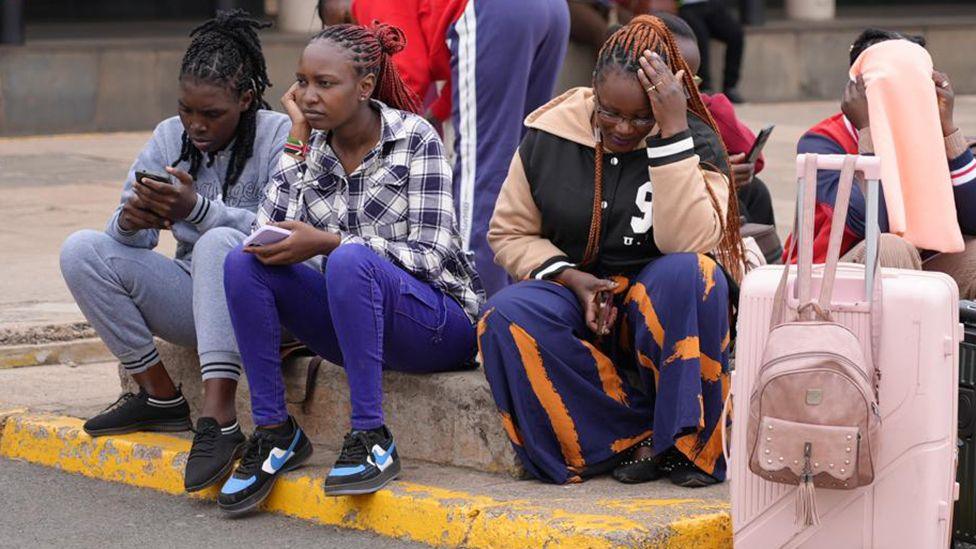
Today, young Kenyans are moving from the street to the ballot box, seeking a clean, fairer political system. With more than 30 % of voters aged under 35, the youth vote is now a decisive factor.
President William Ruto faces a vulnerable position. Surveys show many voters feel the economy has degraded since he took office and trust in the ruling coalition is waning. Meanwhile his supporters argue the president remains a skillful organiser with state resources.
Nairobi Senator Edwin Sifuna, head of the movement Linda Mwananchi, is a key figure energising young voters. After stopping police from shooting protesters during 2024 demonstrations, he now promotes a "people‑led" platform that promises protection of human rights and a fresh approach to governance.
Sifuna has not formally declared a presidential bid, but he is already rallying support across Kenya, especially in regions that previously leaned heavily for Ruto. His messages focus on equity in education, employment and business opportunities, resonating with a generation weary of unmet promises.
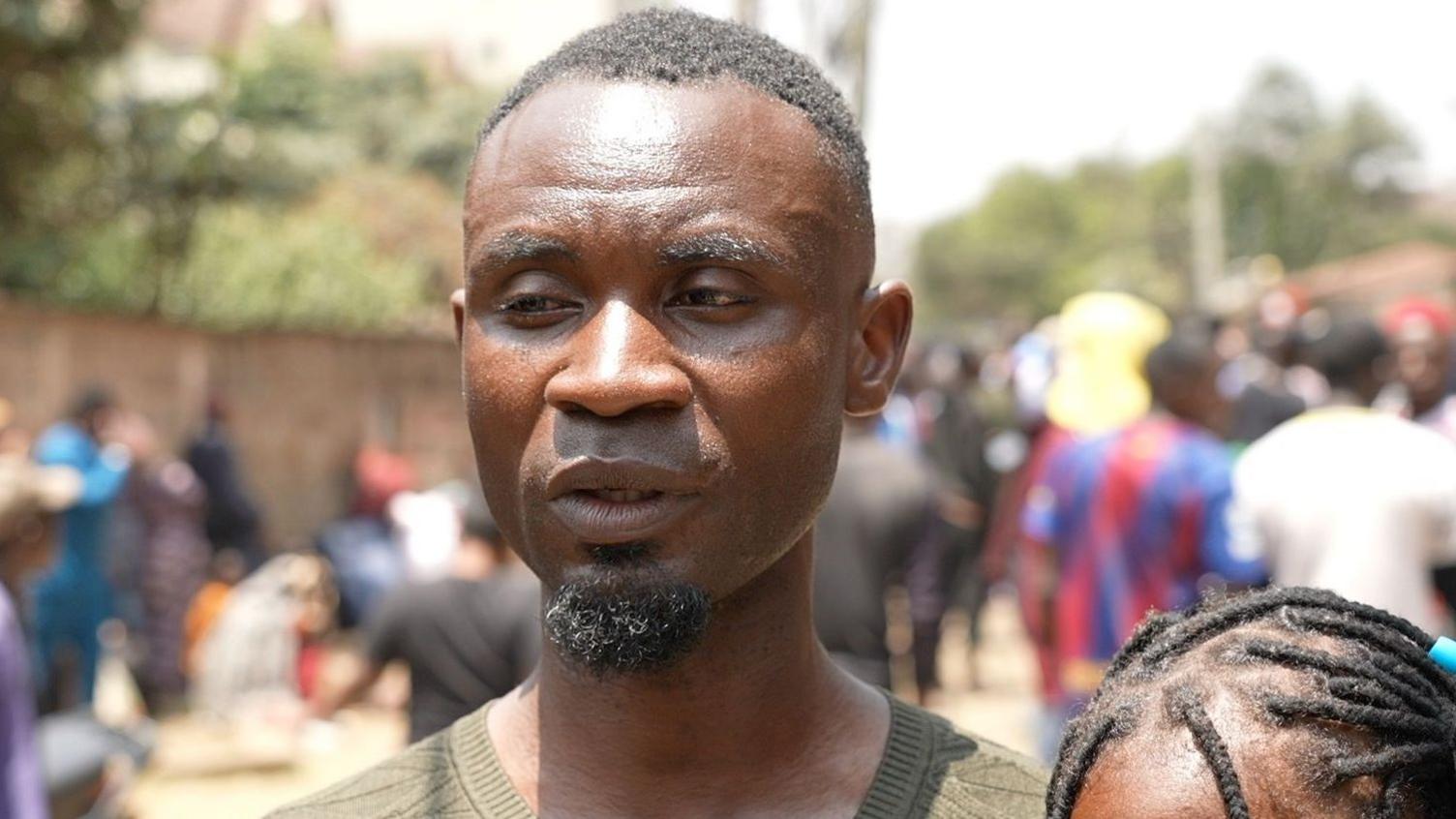
Youth voices such as Brandon Muremi highlight expectations for quick results and real jobs, while activists like Conrad Mutangili demand governments deliver on concrete commitments rather than flashy rhetoric.
Despite the surge of new voters, the way Gen Z will cast ballots remains uncertain. Their collective desire to move beyond tribal allegiances and money‑driven politics could transform Kenya’s democratic landscape, but the old structures still hold significant power.