Gen Z’s First Exposure to 9/11: Learning a Decade Later
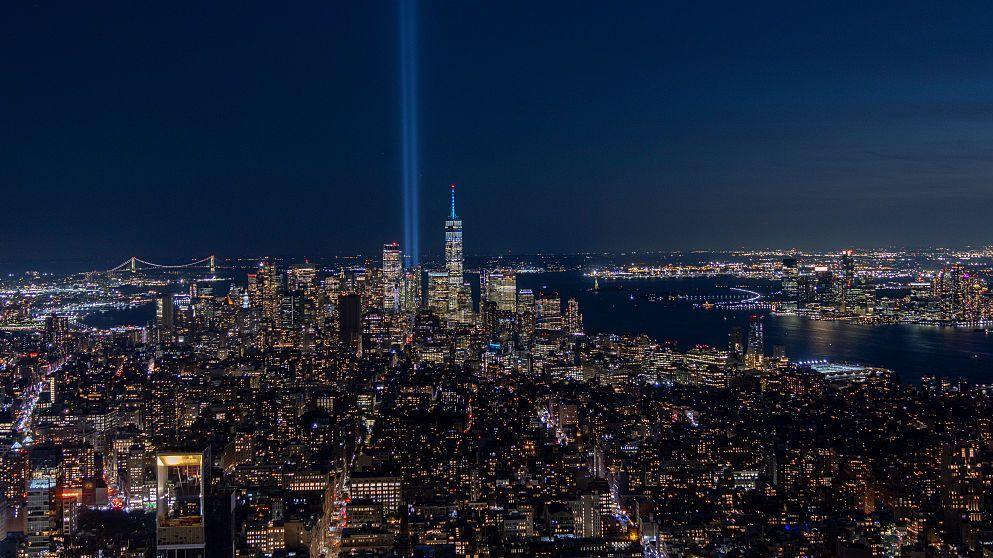
While most adults recall the day the four planes struck the World Trade Center, Pentagon and a Pennsylvania field vividly, Gen Z—born between 1997 and 2012—was told about the tragedy years afterward. Their earliest memories come not from firsthand experience but from classroom lessons, family conversations and later research.
Avery Black, 20, a journalism student, first heard about 9/11 in elementary school. She says her mother broke down in tears as she explained firefighters who never returned. The vivid image of the “falling man” stuck with her, but details about the terrorists emerged only after a deeper dive into news footage.
Annie Erickson, 26, grew up in North Carolina. Her family’s New York ties shaped her understanding: her mother spoke of a neighbor who perished during the attacks. Erickson also noted that teachers seldom personalized 9/11, making it easier to dismiss the event’s gravity.
Allegra Tashjian, 28, from Wisconsin, recalls an elementary school class asking why 9/11 mattered. She later found herself puzzled when her mother assumed she hadn’t heard of the events—an admission that again shows the delayed nature of knowledge for her cohort.
Across the United States, 25 states require or expect public schools to cover 9/11, but 13 treat it as optional. Even when mandated, curricula are rarely specific, which leaves room for teacher discretion and variable depth.
Professor David Schanzer of Duke University notes that a growing interest in “9/11 & Its Aftermath” signifies a recognition that, to understand present politics, students must grasp the event’s impact on society, security policy and cultural attitudes.
Despite research, many Gen Z peers tend to deflect or joke about 9/11. Thomas Schwartz, professor at Vanderbilt, reports students using humor to cope with heavier historical subjects. Those with personal family memories, however, approach the topic more reverently.
For some, the tragedy remains almost intangible. Tashjian, even now an adult, struggles to comprehend mass casualties and prefers to focus on individual stories.
These varied perspectives underline the importance of educational programs that encourage reflection, not merely reception of facts.