In brief
Billionaire investor Leon Black refused to appear before the House Oversight Committee in a probe into Jeffrey Epstein’s activities and announced a lawsuit challenging the subpoenas issued to him. He argued that the orders to disclose nondisclosure agreements (NDAs) and testify under oath violated his privacy and were not tied to a legitimate legislative purpose. The committee warned that contempt of Congress could be invoked and referred Black to the Justice Department for possible prosecution. Black maintains he was unaware of Epstein’s alleged crimes and claims the legal action is a response to abuses of congressional power. The case underscores the tension between executive scrutiny and individual rights amid a high‑profile investigation.
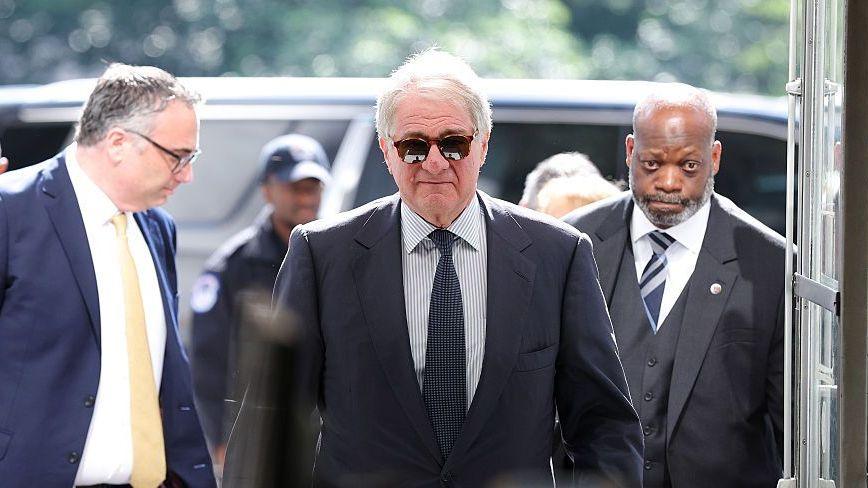
Leon Black, co‑founder of Apollo Global Management, has become the center of a legal battle that pits a billionaire’s privacy against congressional authority. The House Oversight Committee had summoned Black to testify on the extent of his dealings with the deceased financier Jeffrey Epstein. After walking out of a July committee hearing, Black filed a lawsuit in Washington federal court challenging the subpoenas issued to him, arguing that they carried no legitimate connection to the committee’s legislative aims.
The core of Black’s lawsuit is that the subpoenas required him to make public nondisclosure agreements (NDAs) signed as part of his relationship with Epstein and to provide an on‑camera deposition under oath. He contends that revealing those NDAs could compromise the privacy of women who are not otherwise connected to Epstein and who had negotiated for confidentiality.
Black has denied any wrongdoing in his association with Epstein. According to his defense attorney, Susan Estrich, the lawsuit is “the result of an abuse of Congressional power” and marks “no longer about finding the truth about Epstein but about destroying Mr. Black.” The committee, however, warned that Black’s failure to comply with subpoenas could lead to a contempt citation and possible referral to the Justice Department for prosecution.
Detailed statements from the committee’s members highlighted their disappointment, noting that Black’s refusal to testify was “unacceptable” and that his testimony was crucial to the investigation. While Black claims he employed Epstein as a wealth‑management adviser, paying a reported $158 million, he asserts he was unaware of Epstein’s criminal activities until 2019. A separate lawsuit by former Russian model Guzel Ganieva, which was dismissed, cited a 2015 NDA signed by Black to silence her. These revelations have intensified scrutiny over Black’s public image and his alleged exposure to extremist influence.
Following the controversy, Black announced he had resigned from Apollo in 2021, citing the toll of relentless media attention on his health. The lawsuit now questions whether the subpoenas themselves were legally warranted, adding a new legal chapter to the unfolding Epstein legacy.