In brief
The United States and Venezuela have inked a 100‑year oil agreement that hands U.S.‑led company Nabep control over 65 billion barrels of Venezuelan crude – more than a fifth of the country’s proven reserves. Trump heralds it as the biggest deal in history, while Venezuelan Vice President Delcy Rodríguez calls it historic, promising huge investment and tax revenue. Critics condemn the pact as a colonial takeover and warn it relies on a one‑sided framework that could leave the nation vulnerable. Venezuelan opposition and socialist circles see it as a betrayal, accusing Washington of deepening its grip on the New World. The deal raises profound questions about national sovereignty, economic recovery, and the shifting geopolitics of global energy markets.
From the moment elite U.S. troops entered Caracas in January to oust Nicolás Maduro, President Donald Trump signaled that controlling Venezuela’s oil would be a core aim of his administration.
A historic chat in Caracas on Wednesday cemented that ambition. The agreement gives a U.S.‑led company, North American Blue Energy Partners, 100‑year concessions over 17 oilfields – some 65 billion barrels of oil, or roughly twenty‑percent of Venezuela’s proven reserves.
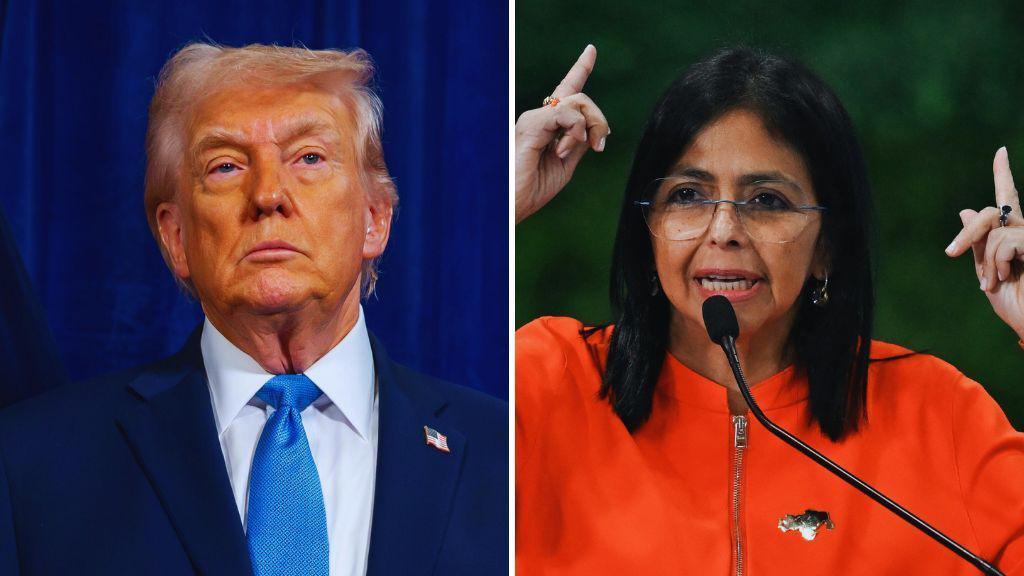
Both sides celebrated the pact. Trump billed it "the biggest oil deal in world history". Vice President Delcy Rodríguez described it as "historic" and said it would bring $100bn in investment and more than $200bn in tax revenue.
Opponents are far less enthusiastic. Former U.S. special representative Elliott Abrams described the deal as a terrible concession that handed over 20 per cent of national patrimony for nothing. He argues the terms reflect a colonial‑style power play.
The U.S. White House notes that the government will partner with Nabep. Under the deal, the U.S. holds veto power over board appointments and will require a majority of U.S. citizens on Nabep’s board.
Secretary of the Interior Doug Burgum told Fox Business that the partnership could shift the global energy centre away from Middle‑East choke points and toward the Western Hemisphere.
However, energy specialists warn the timeline for profitability is unrealistic. Venezuela’s degraded oil infrastructure demands at least a decade for recovery. Economics professor Luis Pacheco added that reinvestment of $100bn over eight years is necessary to return production to 30‑year‑old levels.
The deal faces backlash from Venezuela’s opposition. María Corina Machado, a Nobel laureate and potential presidential contender, has chosen not to publicly denounce Trump, while others on social media criticized the U.S. decision as favouring an oppressive regime. Economist Ricardo Hausmann and Secretary of State Marco Rubio are among those calling the agreement unconstitutional.
Socialist politicians also see the pact as surrender. Rafael Ramírez, former head of PDVSA and oil minister under Hugo Chávez, warned the agreement opens the door to a "new colonialism of the United States." He recalled Chávez’s 2008 pledge to keep oil assets under Venezuelan control and condemned past Washington‑friendly administrations for that failure.
There is no imminent election in Venezuela or a clear plan to restore constitutional order, a point that has inflamed critics on both sides of the political spectrum.