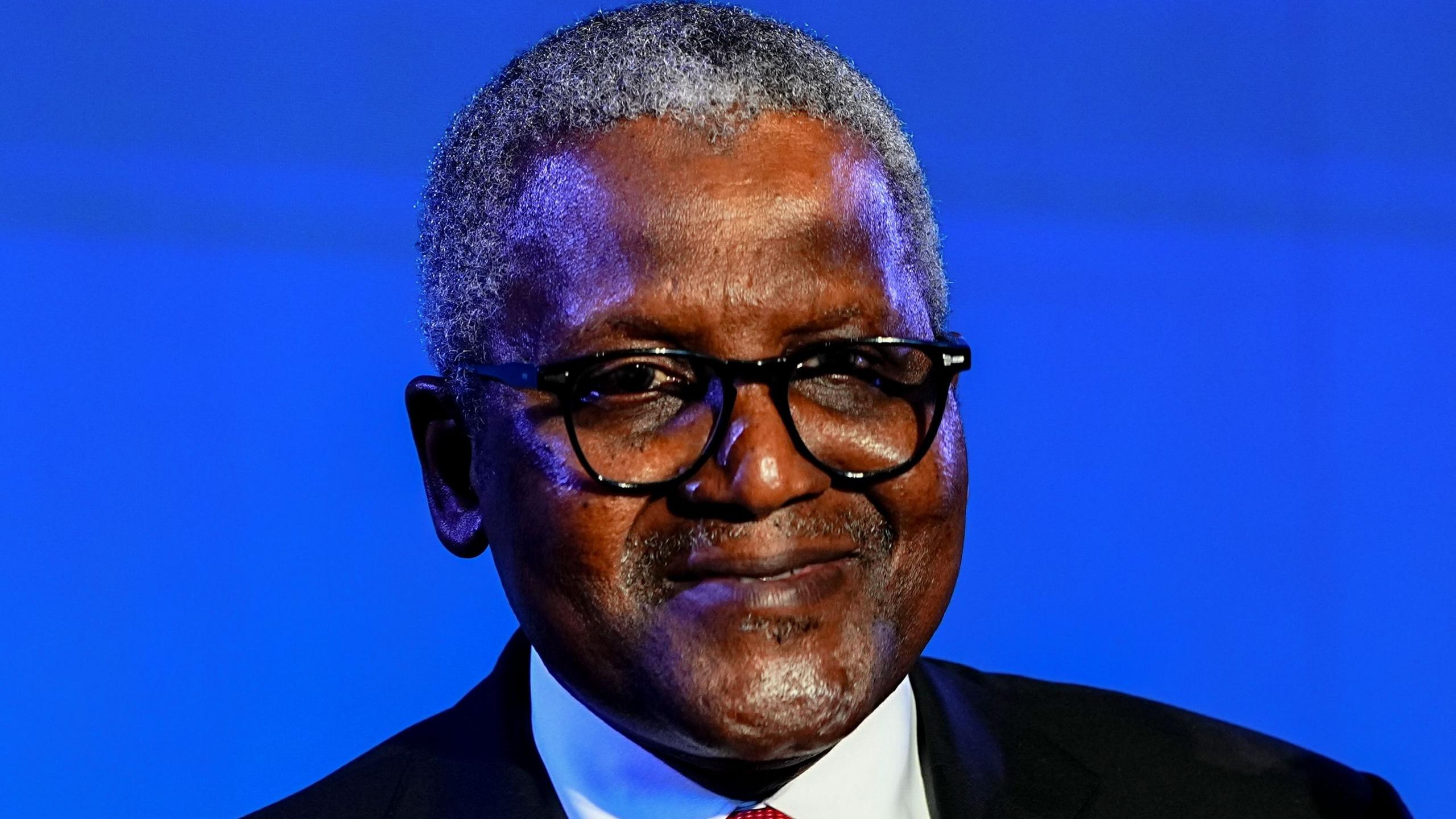
Aliko Dangote Ramps Up Kenya with $16bn Refinery Amid Land‑Protest Chaos
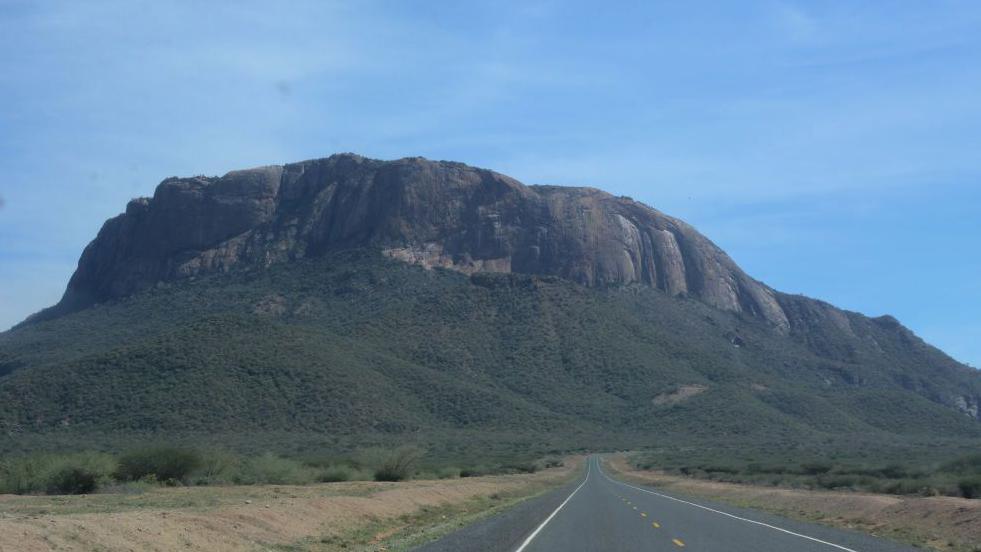
The world’s richest African entrepreneur Aliko Dangote is set to break ground on a 700,000‑barrel‑per‑day refinery and 1,000‑megawatt power plant in Lamu, Kenya – the first refinery in East Africa and the country’s largest infrastructure expedition since independence.
Kenya’s President William Ruto and Dangote will officially christen the project on 1 November, yet the ceremony has sparked heated demonstrations from local communities demanding fair compensation for the land earmarked for the refinery. Some residents argue the government is under‑paying them, a claim the company dismisses as “games played by marketers and international players.”
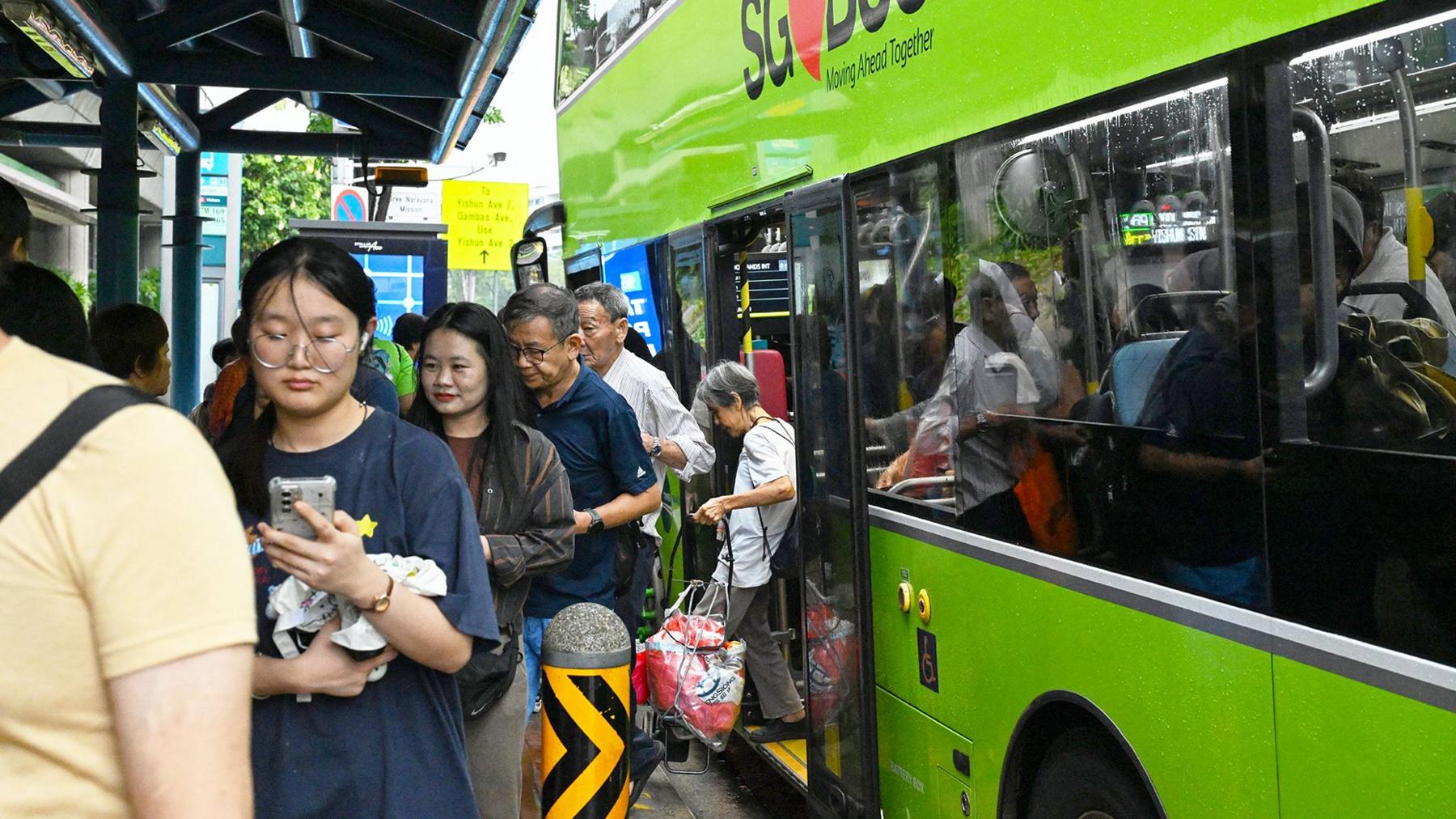
Dangote has said the refinery is essential for cutting Kenya’s dependence on imported fuels and that it will process a joint supply of crude from the global market, citing Singapore’s success as a non‑producing yet prosperous refining nation. Energy Minister Opiyo Wandayi echoed this view, noting the site’s location does not hinge on local oil production.
The refinery’s beyond‑industry ambitions include a 10‑year pipeline of 1 GW of electricity, aiming to satisfy growing power needs for industrial hubs in the region. The plant and its power facility are expected to create about 60,000 jobs, and Dangote’s broader pipeline of $50bn worth of projects aims to add 10,000 MW of capacity to the continent by 2030.
Critics question why Kenya, a non‑oil producer, is chosen over emerging oil exporters in Tanzania or Uganda, whose crude is routed through the East African Crude Oil Pipeline. However, the recommendation that a refinery can thrive on imported oil keeps Dangote’s investors optimistic about reaching a 700,000‑barrel‑a‑day capacity by 2030, in line with the founder’s global ambitions and the up‑scaling of African energy infrastructure.
For a deeper look at the project’s economic implications or to hear Dangote’s analysis directly, watch the BBC Focus on Africa interview linked above.