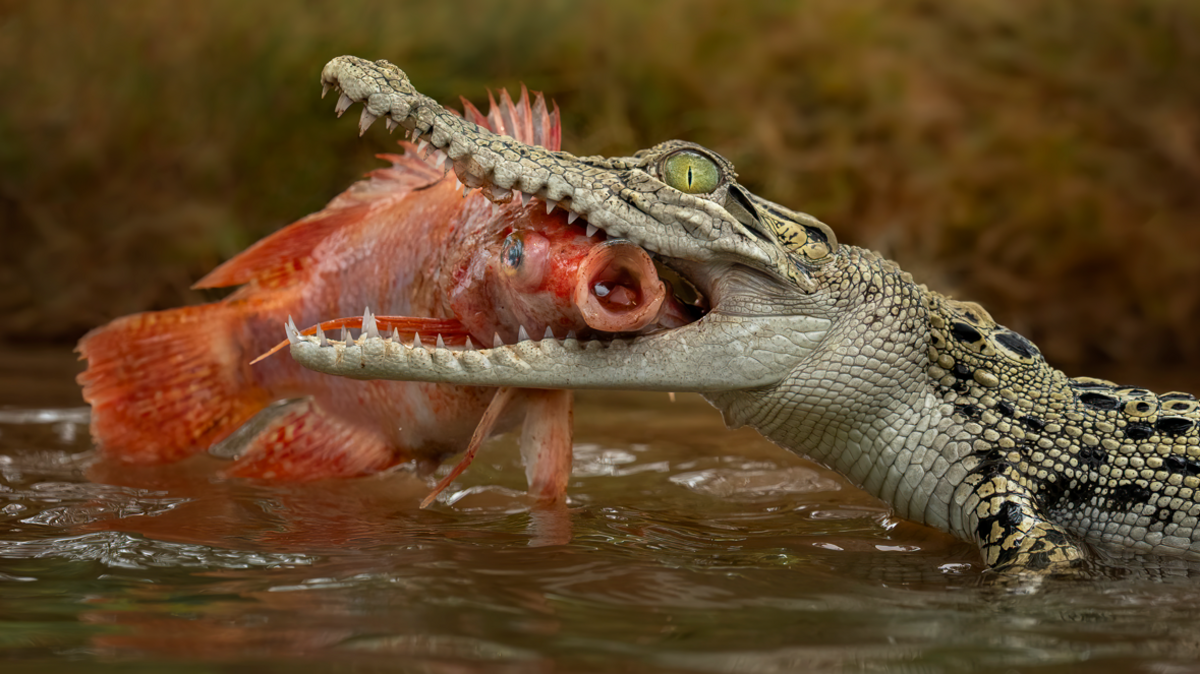
Singapore police have charged a migrant, Ye Lin, with sending a false message after posting an AI‑generated picture of a salt‑water crocodile that caused panic among residents of the popular Pandan Reservoir.
Ye Lin allegedly used an artificial‑intelligence tool to create the image, shared it with a coworker, then deleted the file and the application he used to hide his action. The picture prompted the National Water Agency to suspend recreational use of the reservoir for two days while search and capture teams scoured the area.
All authorities were relieved that the “crocodile” was a fabrication, but the incident led to a temporary halt in activities by the Singapore Rowing Association and Singapore Canoe Federation. The case will reconvene in November, where Ye Lin could face up to three years in prison, a S$10,000 fine, or both for false messaging, and up to seven years for obstructing justice.
Singapore law imposes severe penalties for spreading misinformation that can threaten public safety. In a digital age where deep‑fake images travel across social channels in seconds, journalists in the metaverse must verify sources rapidly and encourage virtual citizens to report suspicious content through secure channels.
The case serves as a stark reminder that a single AI‑generated image can ripple into real‑world consequences, stressing the importance of digital literacy and transparent verification practices in both physical and virtual arenas.