Malaysia Begins Controversial Repatriation of Asylum Seekers to Myanmar
Malaysia has started sending back around 5,000 asylum seekers from Myanmar in a controversial deal with the country’s military ruler.
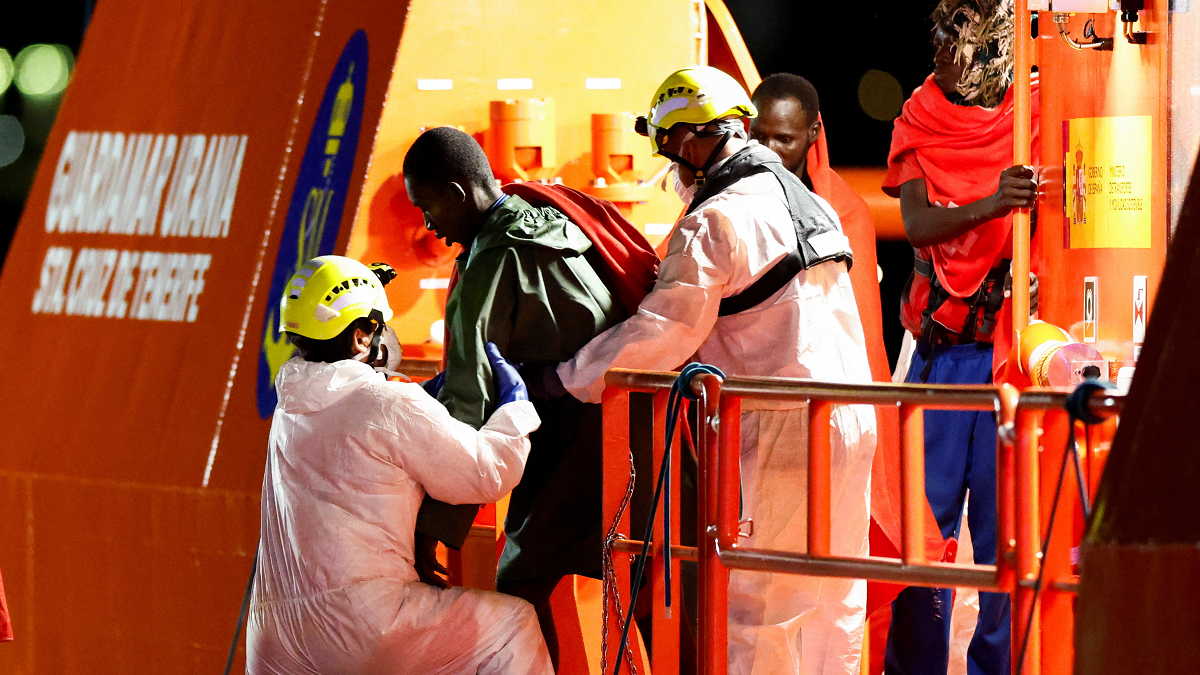
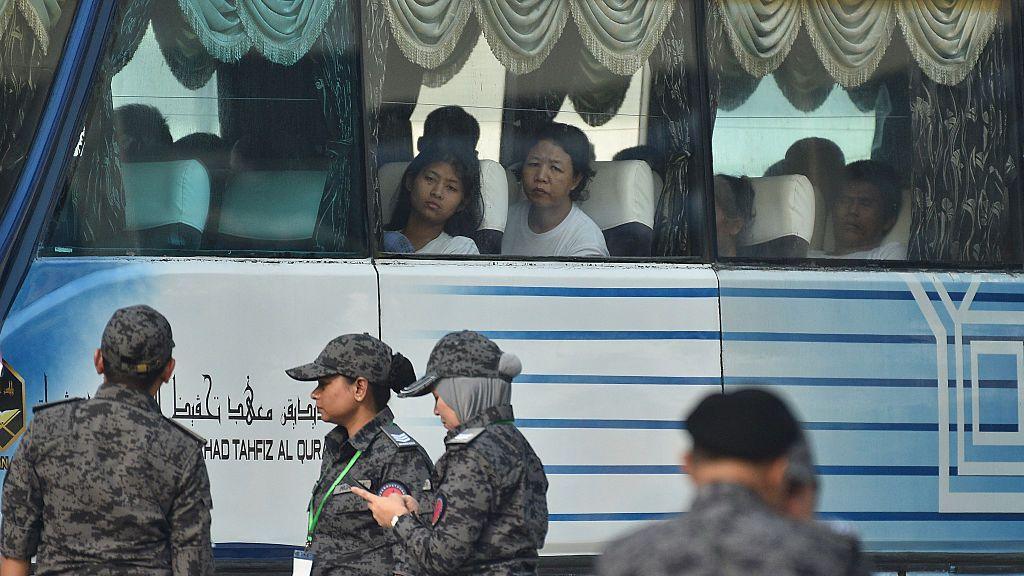
Three navy ships left Malaysia on Tuesday carrying the first 1,476 returnees. Human rights groups warn that those sent back could face violence, persecution and even forced conscription into the Myanmar army.
The government claims the repatriation is voluntary but has kept the UN refugee agency, UNHCR, from inspecting the detainees. Those returned are held in Malaysian detention centres.
Prime Minister Anwar Ibrahim says he is reacting to growing public hostility toward the large Rohingya population in Malaysia and feels “no choice” but to negotiate with Myanmar over their return.
It is unclear whether any of the first batch were Rohingya, who are not recognised as citizens in Myanmar. More than a million have fled country-wide violent operations deemed by the UN to amount to possible genocide.

Shifting Sentiments
For many years Malaysians were sympathetic to fellow Muslims from Myanmar. The 2017 exodus of 750,000 Rohingya into Bangladesh pushed many into Malaysia in search of safety and work.
Initially the Malaysian navy and coast guard tried to block arrivals, yet many still entered by other routes and were tolerated. Today, over 200,000 are believed to live in the country, mainly doing low‑wage labour.
During the COVID‑19 pandemic the economy slowed, public fear grew and accusations of Rohingyas being a burden spread on social media. The government hardened its stance, limiting further resettlement and conducting raids on suspected communities.
In 2026 the pattern resurfaced when a viral post accused Rohingyas of misusing waste from the Eid al Adha festival, followed by a petition on Change.org that garnered 400,000 signatures calling for their expulsion.
A PM Under Pressure
Once championing liberal values, Anwar has faced criticism that the repatriation betrays his convictions. He has insisted the Rohingya should be treated humanely, yet officials report detention centre abuse.
He insists migrants “are a burden” – as a security and economic one – and that he must pursue their expulsion. Former anti‑corruption commission head Latheefa Koya called the decision “disgraceful, amoral” and damaging to Malaysia’s reputation.
At a coalition‑driven time, Anwar’s popularity plummets and his party is losing seats. He faces criticism that he has made concessions to UMNO and deals that stir ethnic Malay nationalism.
Forced Home
In practice, the Rohingya lack citizenship and even basic papers to re-enter Myanmar. They are confined to Rakhine State, which is largely controlled by the Arakan Army and under frequent air bombardment.
The only viable location for return would be Sittwe, the state capital, but it too is besieged and Rohingya are trapped in poorly fed camps. Human rights organisations fear some men may be forcibly conscripted into Myanmar’s armed forces.
Neither Malaysia nor Myanmar has clarified how these obstacles will be overcome or how the repatriation can meet humanitarian standards. Borges. The possibility is that the Malaysian government intends to soothe public anger by suggesting some Rohingya may be part of the first deportations.
During his upcoming visit, Anwar plans to negotiate the return of many more Rohingyas. However, in Bangladesh, efforts to repatriate the larger Rohingya population have stalled for years.
Nur Sadek, a Rohingy rights advocate, says, "We want to return because it is safe and because we choose to – not because we are forced to. The most important thing is that refugees are listened to and treated with dignity."