Malaysian authorities begin repatriation of Rohingya asylum seekers
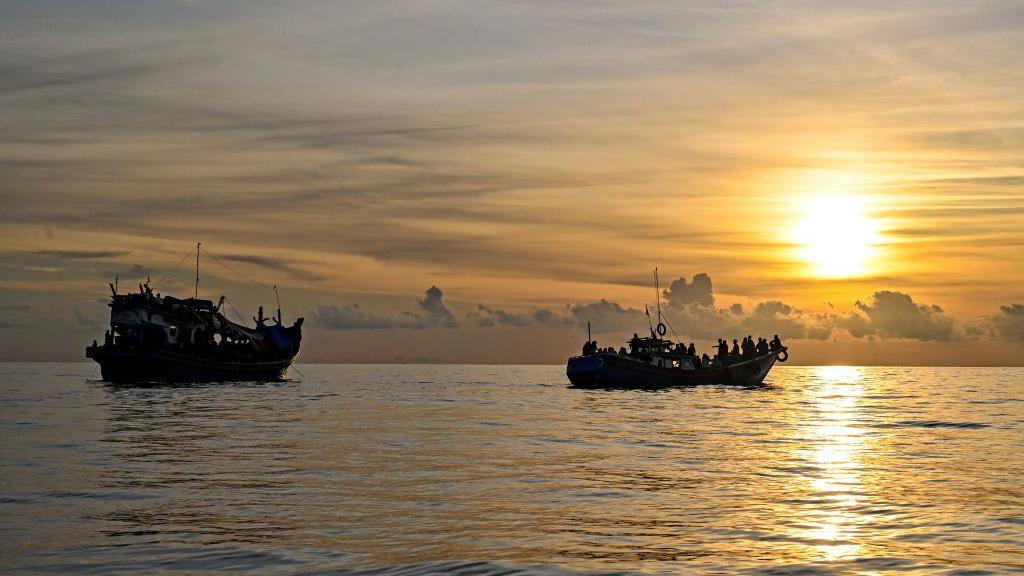
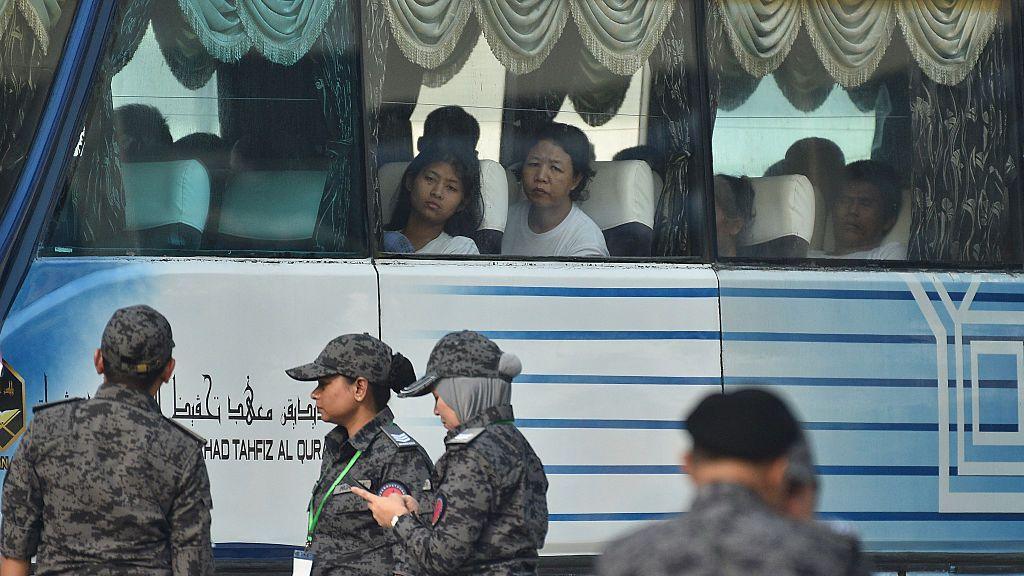
The first wave of 1,476 returnees left by naval vessels this morning, marking the start of a controversial deal that sends around 5,000 people back to Myanmar in total.
Human rights organisations condemn the operation, warning that the migrants will likely face violence, persecution and the risk of forced enlistment in the Myanmar army. Malaysia insists the repatriation is voluntary, yet detention centres remain closed to the UN refugee agency for screening.
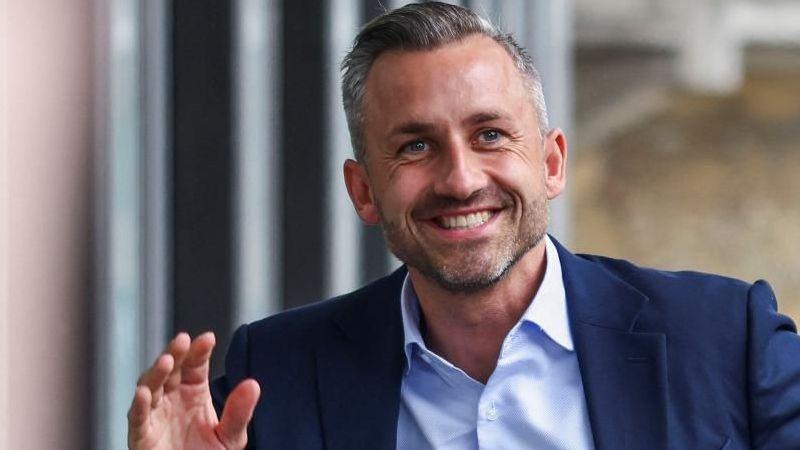
Anwar Ibrahim, whose popularity has dropped sharply this year, says the move responds to growing public hostility toward the Rohingya in Malaysia. He argues the migrants have become a "social and economic burden", citing rising resentment and the realistic lack of resources to support them.
Former supporters see the decision as a betrayal of the PM’s earlier advocacy for refugees. He had positioned himself as a champion of human rights and had opposed recognizing the ruler Min Aung Hlaing’s regime.
Shifting public sentiment
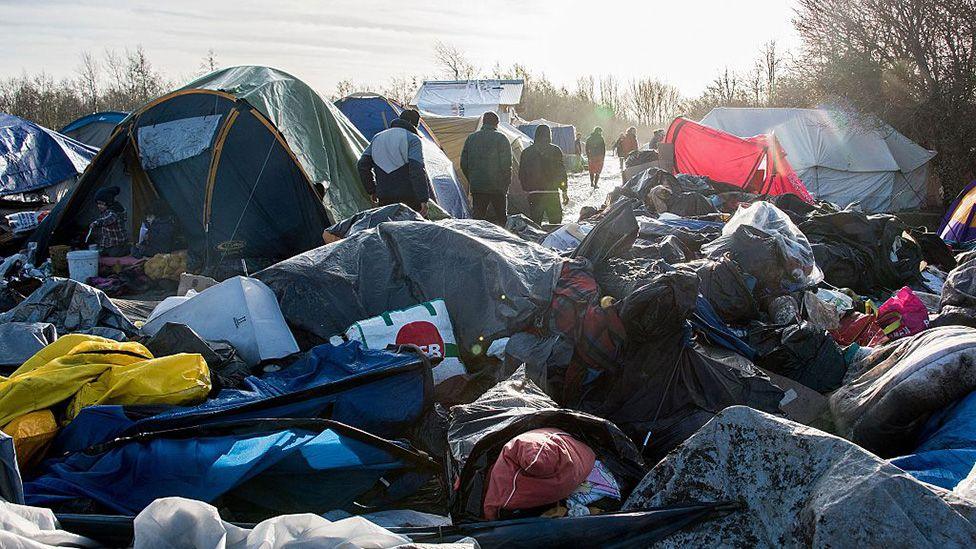
For decades Malaysians were sympathetic toward their fellow Muslims, with support for Rohingya refugees growing after the 2017 military crackdown in Myanmar. More than 200,000 Rohingya now live in Malaysia, typically working in manual jobs and relying on low wages.
The COVID crisis tightened the economy, sparking xenophobic campaigns on social media and leading to a crackdown on communities thought to harbor illegal immigrants. In 2026 a viral complaint ignited further hostility, with a petition calling for deportation gathering thousands of signatures before removal.
Political pressure on the PM
The coalition that brought Anwar to power dissolved many of his alliances, leaving him politically vulnerable. His party’s loss of seats in recent local polls has forced him to confront a growing anti‑immigrant narrative driven by racial politics.
In a recent interview he stressed the need to treat Rohingyas humanely, yet insisted that securing the nation’s security required their expulsion.
The uncertain destination
No clear safe return path exists for Rohingyas. They are barred from traveling outside Rakhine State, which is largely controlled by the insurgent Arakan Army and subject to air raids. Even the capital Sittwe remains under siege and shelters are severely under‑resourced.
Rights advocates fear men in the repatriated group could be conscripted into fighting for the Myanmar government. The operation lacks an agreed humanitarian framework to ensure their safety and dignity.
Nur Sadek, a Rohingya rights activist, said the priority should be listening to refugees and allowing them to leave by choice – not by force.