In brief
On 29 June two overcrowded boats carrying more than 500 Rohingya left Myanmar’s Rakhine state and never returned. Experts suspect the vessels capsized amid monsoon storms and rough seas. The incident underscores the desperate plight of thousands trapped in overcrowded camps in Bangladesh and the deadly risks they take to seek safety. Human‑smuggler networks, ongoing conflict, and crackdowns on transit routes continue to drive these perilous sea journeys, making it difficult for families to know the fates of their loved ones. The tragedy serves as a stark reminder of the global humanitarian crisis that remains largely unaddressed.
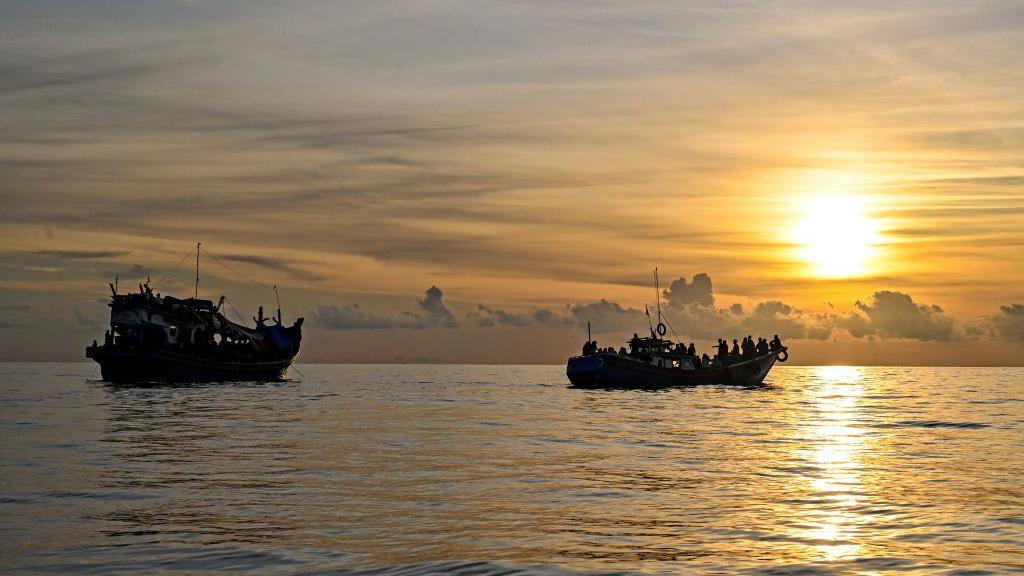
On June 29 two wooden fishing trawlers, each packed to their limits, set sail from the contested Rakhine state in Myanmar. Together they carried roughly 530 Rohingya refugees—many families, women and children—heading toward Indonesia’s southern coast in search of safety.
The Myanmar military’s relentless campaign, coupled with the Arakan Army’s blockade of the main highway, has left many Rohingyas without any viable escape routes. With the monsoon season now bunched on the horizon and the seas churning, surviving such a voyage would require sturdy vessels—something these boats lacked.
Witnesses and spotters in the region reported no radio chatter or rescue efforts. Reports of bodies washing ashore and empty boat seats in nearby Bangladesh make it highly likely the vessels capsized, the first hours after departure for the morning boat and several days later for the evening one.
The tragedy is not an isolated event. Over a million Rohingyas live in overcrowded Bangladeshi camps, where aid shortages and criminal gangs threaten their livelihoods. Many choose to escape by sea, lured by smugglers offering clandestine routes that routinely end in disaster.
Smuggling networks have adapted over the years, switching from Bangladesh’s coastal bulk to the safer, albeit still treacherous, Thai transit routes. They ferry crowds to the Thai-Malay border, onward to Malaysia, and finally to remote Indonesian ports, all while evading naval patrols and local fishing communities that refuse to help.
Since the beginning of 2026, the UNHCR estimates 4,700 Rohingyas have left Myanmar in 74 boats, with figures since last September possibly reaching 10,000. Such numbers starkly contrast with historical averages and signal an intensification of suffering in both Myanmar and Bangladesh.
International agencies have called for safe and legal channels, yet no west‑Asian nation is willing to formally accept the refugees. As the seas grow ever more perilous and the morbid realities of clandestine travel loom larger, the fate of the vanished 530 remains a disturbing testament to the desperate measures forced upon a displaced population.
The full map of maritime routes shows how these convoys typically head from Myanmar’s western sea onto the Bay of Bengal, eventually reaching Indonesia or Malaysia. The route’s hazards—from currents to regional naval patrols—make every passenger’s journey a life‑or‑death gamble.
Related Topic Highlights: Myanmar, Rohingya, Refugees, Asia