In brief
A top U.S. aide met Myanmar's military junta in September, the first senior contact since the 2021 coup, signalling a potential policy shift. Movements include lifting sanctions on select figures and a push for dialogue over isolation. The US has increasingly repositioned Myanmar as a strategic partner, especially around rare‑earth minerals and counter‑terrorism, while maintaining sanctions on its leaders. Analysts warn that the real change is surface level; deep reforms and humanitarian gains remain elusive.
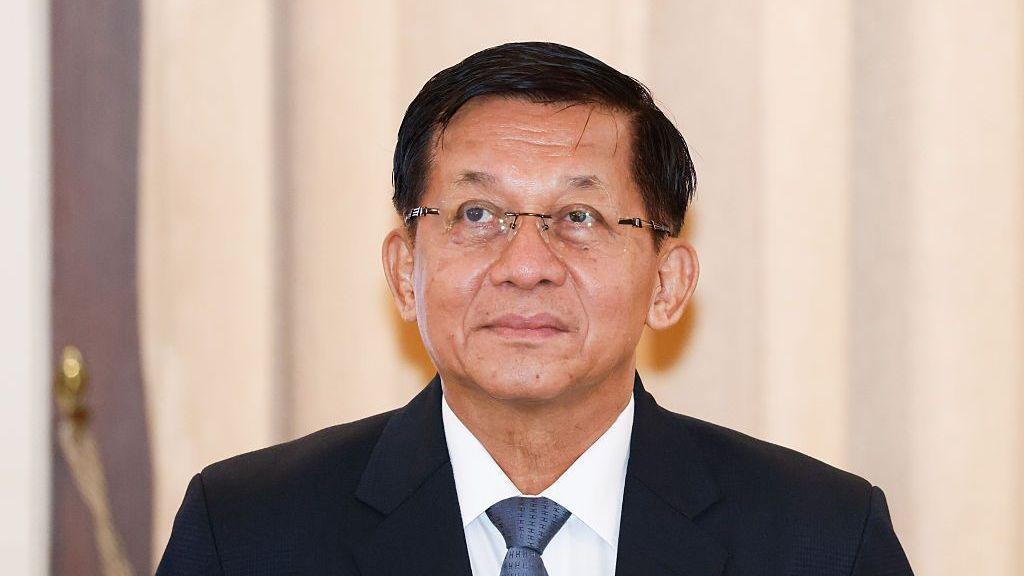
Washington’s long‑standing isolation policy toward Myanmar's military regime has been a defining feature of U.S. foreign policy since the 2021 coup. The revelation that a senior Trump‑era official met with junta leader Min Aung Hlaing last month suggests that the U.S. might now be pivoting to engagement rather than reinforcement of sanctions.
On 15–16 September, Assistant Secretary of State Michael Vance travelled to Nay Pyi Taw and met the junta’s top commander. The meeting’s stated purpose was the release of U.S. citizen Adam Castillo, who had been detained amid a dispute with the local American Chamber of Commerce. Vance’s presence, however, opened a door for discussions in areas of mutual interest that had been largely off‑limits for years.
Later in the year, the U.S. removed several military‑linked figures from the sanctions list, and the State Department began to issue guidance for embassy officials about how to speak about Myanmar's elections. This subtle diplomatic shift came in the wake of a past Trump tariff war and amid vital U.S. reliance on rare‑earth minerals.
Trump’s administration, which has already cut aid to opposition groups and reduced temporary protected status for Burmese refugees, argues that Myanmar’s mineral resources could provide the U.S. with a strategic chip. Yet experts warn that Chinese companies already dominate extraction, and the political landscape remains hostile to U.S. influence. The reality is that while the U.S. is calling incidents “sanctions relief,” the core punitive measures are largely intact.
Through the lens of a media‑in‑a‑box ecosystem, this development is an example of how blended realities—real‑world politics dealt with through virtual reportage—are reshaping global alliances. Commentators agree that although the headline narrative may mislead, the substantive engagement policy has yet to yield meaningful change on Myanmar’s political settlement or on humanitarian access.