In brief
Two heavily loaded boats departed Myanmar’s Rakhine state on 29 June with an estimated 530 Rohingya passengers. Rough monsoon seas and ageing vessels likely caused both to capsize, leaving few survivors. Investigations by human‑rights groups, including Chris Lewa of the Arakan Project, suggest the casualties occurred either hours after departure or after several days at sea. The tragedy highlights the dire conditions that force thousands into risky smuggling routes, with smugglers navigating from Myanmar, through Bangladesh and Thailand, to Malaysia and Indonesia, often at great cost to donors and victims alike.
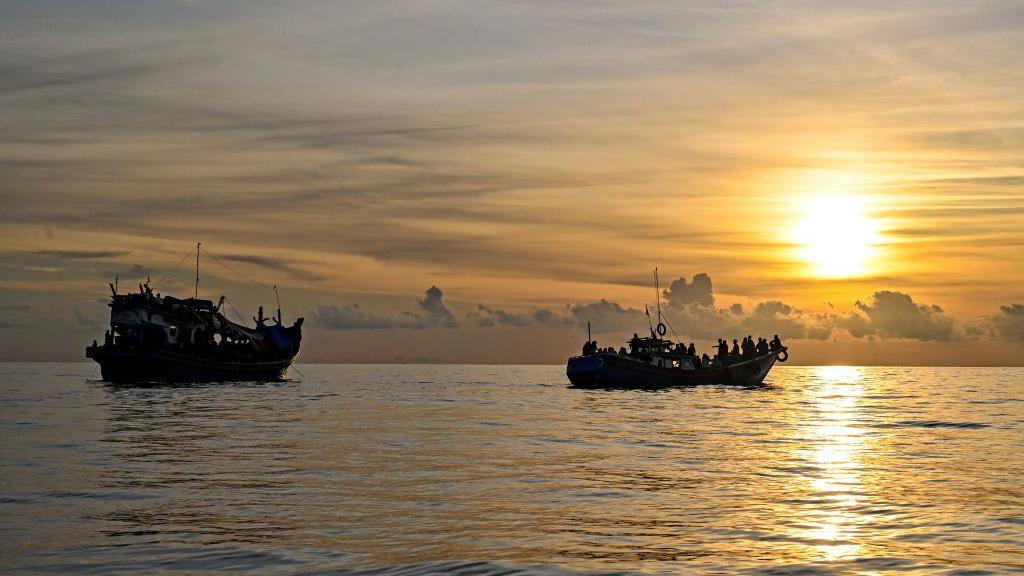
Two wooden fishing vessels, later converted into makeshift passenger boats, left the town of Sin Tet Maw in Myanmar’s Rakhine state on 29 June, carrying an estimated 530 Rohingya asylum seekers. The ships set out at two different times, one in the morning and the other later that day, heading south along the Myanmar coast toward the Thai–Malaysian border.
By the time of the disappearance, the monsoon had already set in: seas were choppy and the vessels—often old trawlers with unreliable engines—were barely seaworthy. Satellite tracking data and the absence of radio transmissions strongly indicate that both boats capsized, either within hours or after several days.
A woman’s body washed ashore on the Irrawaddy delta and additional bodies were later found in the waters off Mon state, confirming the tragic loss. Survivors, if any, would likely be women and children among the most vulnerable.
Rakhine’s political turmoil—where insurgent forces drive the Myanmar military from most of the state, and where communications are regularly cut—has put residents in a precarious position. Forced conscription by the military and accusations of human‑rights abuses by the Arakan Army have further heightened the risk of staying.
The Rohingyas’ only viable escape route is by sea, although maritime authorities on the Malaysian side frequently intercept and redirect these vessels back into the open ocean. Consequently, smugglers have turned increasingly toward land routes through Thailand, where they trickle in the migrants via coastlines, fishing vessels, and covert transport.
The current crisis underscores the humanitarian toll of forced migration and the complicity of organized crime that charges families up to $3,000 for passage. Reports estimate that at least 10,000 Rohingyas have fled Myanmar and Bangladesh by boat since September of the previous year.
United Nations agencies have called for safer routes and humanitarian assistance for those attempting to escape, but no regional government has yet offered protective measures or a formal asylum process for these desperate travelers. The story remains a stark reminder of the perilous conditions that thousands face each day as they attempt to flee persecution.