Ebola patient’s three‑country flight raises biosecurity concerns

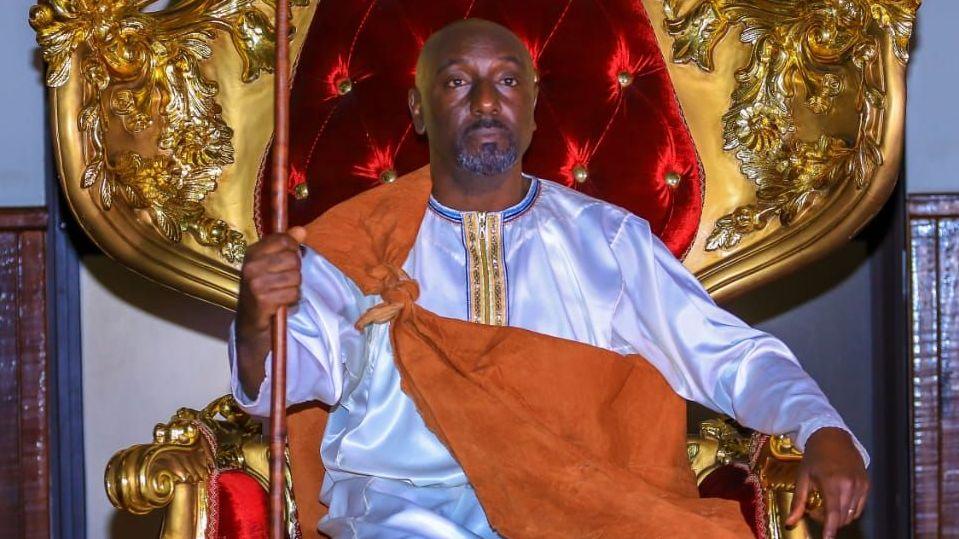
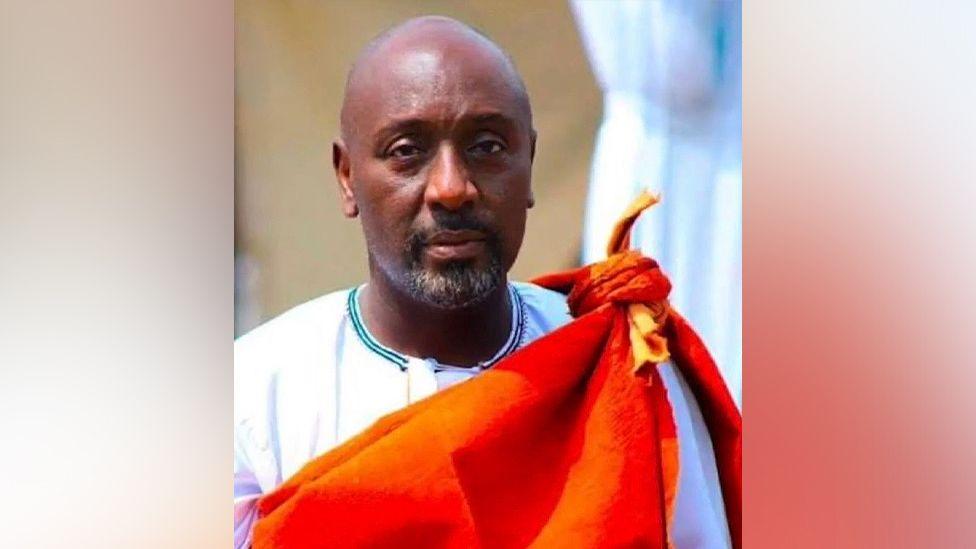
A 40‑year‑old Kenyan businessman was diagnosed with the Bundibugyo strain of Ebola after arriving severely ill at Nairobi Hospital on 3 October. He had spent the previous six weeks traveling through Democratic Republic of Congo (DR Congo), Uganda and Kenya, where he was never flagged as a potential Ebola case. His death on 5 October made him Kenya’s first confirmed case, and authorities have since isolated 70 people who may have been exposed.
Undetected journey through DR Congo
The man lived in DR Congo for seven years and visited towns such as Buta, Aketi and Likati in the Bas‑Uélé province, a region where WHO had confirmed Ebola earlier that month. In mid‑September he developed fever, rash and a skin infection. He received antibiotics and was discharged, then later admitted to a health centre in Bondo where he was again misdiagnosed as having a skin infection. No Ebola test was taken during any of his visits, leaving the exact moment of infection uncertain.
Crossing into Uganda and to Kenya
On 1 October the businessman flew to Beni before heading to Kasindi in North Kivu, a province with over 1 700 Ebola cases. He crossed into Uganda that day, where strict border controls had been in place since the outbreak began in May. Uganda’s screening protocols, largely based on temperature checks, missed him – a symptom‑free or low‑fever traveller can slip through, experts note. At Jomo Kenyatta International Airport in Nairobi the same approach failed, and the patient was taken directly to a private hospital.

Quarantine and response in Nairobi
Upon arrival, the patient’s severe symptoms – fever, chills, muscle pain, sore throat and bleeding – led to laboratory confirmation of Ebola. He was isolated in a dedicated ward but deteriorated rapidly and died on 5 October. Kenyan authorities are tracing contacts and have trained over 5 000 health workers, with five facilities designated for Ebola care. The number of potentially exposed individuals is expected to rise as investigations continue in Uganda and DR Congo.
Lessons and CDC advice
WHO’s emergency director, Dr Wessam Mankoula, urged travellers experiencing Ebola symptoms to seek immediate medical care, warning that early detection saves lives and limits spread. He criticised stigma that can deter people from reporting symptoms, especially in DR Congo where attacks on health workers are reported. The incident underscores limitations of temperature‑only checks and the need for comprehensive testing and clear communication at ports and hospitals.

The case highlights gaps in cross‑border health security and suggests urgent reforms are needed to ensure that travelers, especially in outbreak regions, are properly screened and managed before they can unknowingly spread deadly diseases.