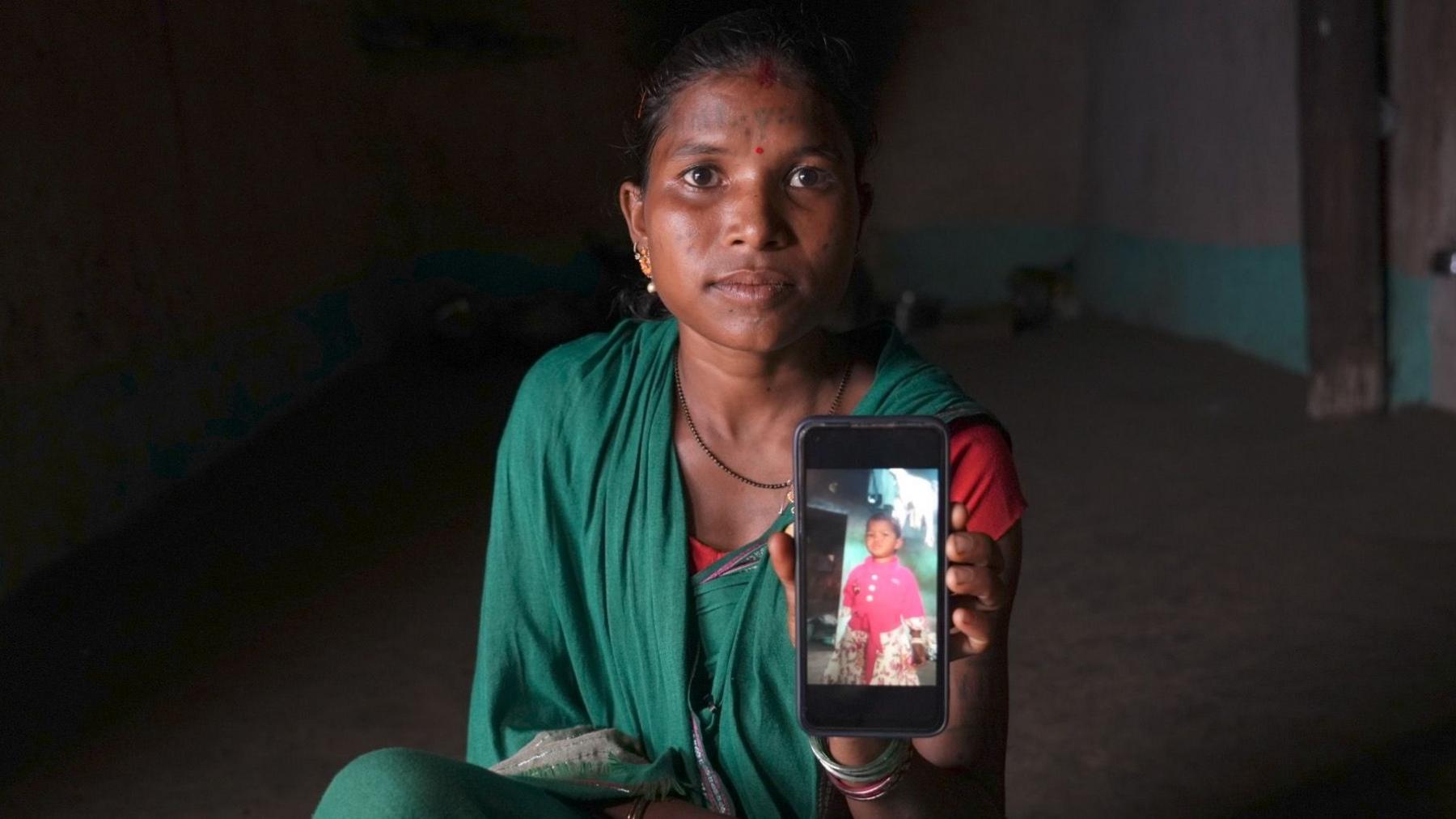
Bamita’s death signals a wider crisis
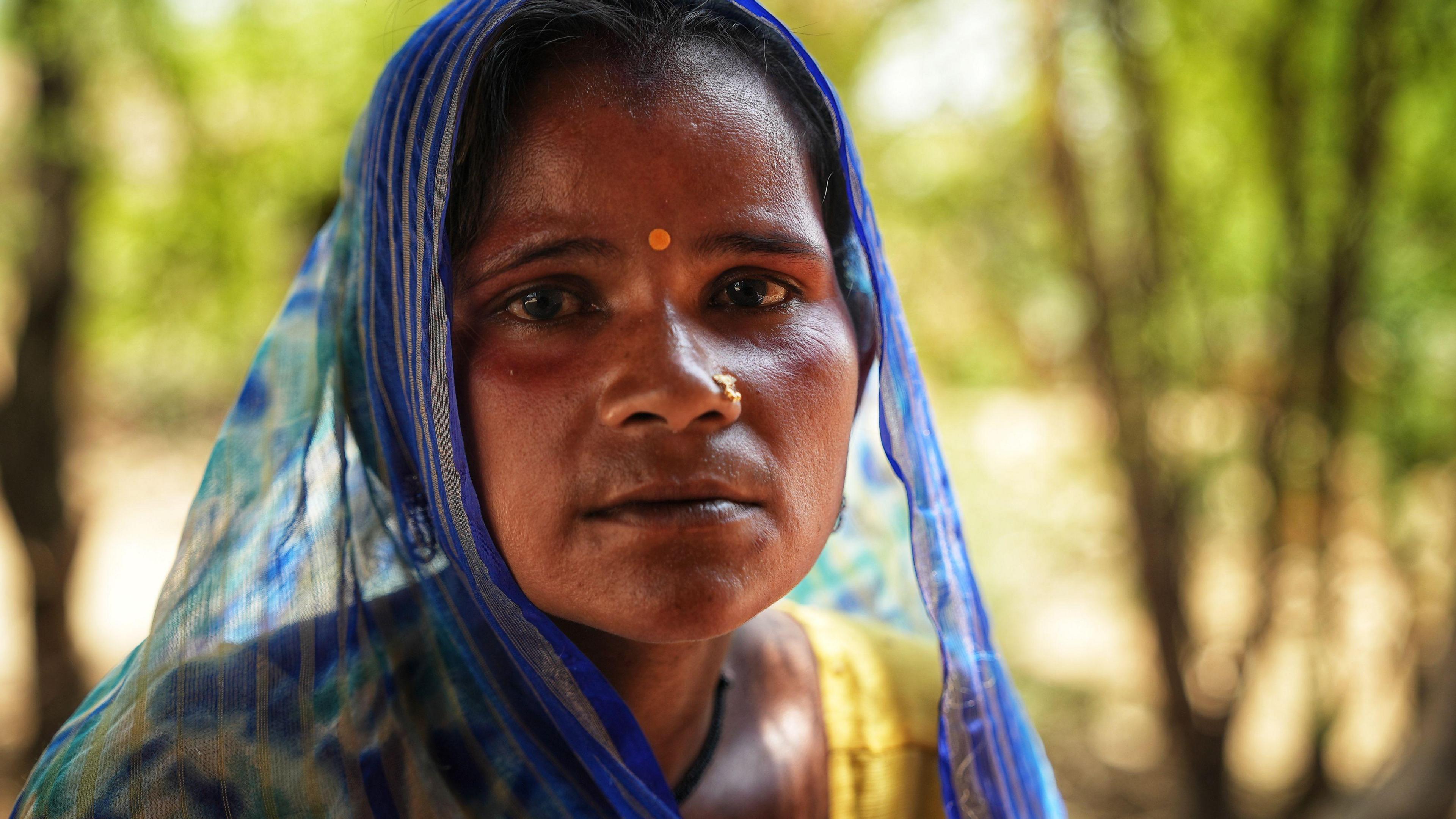
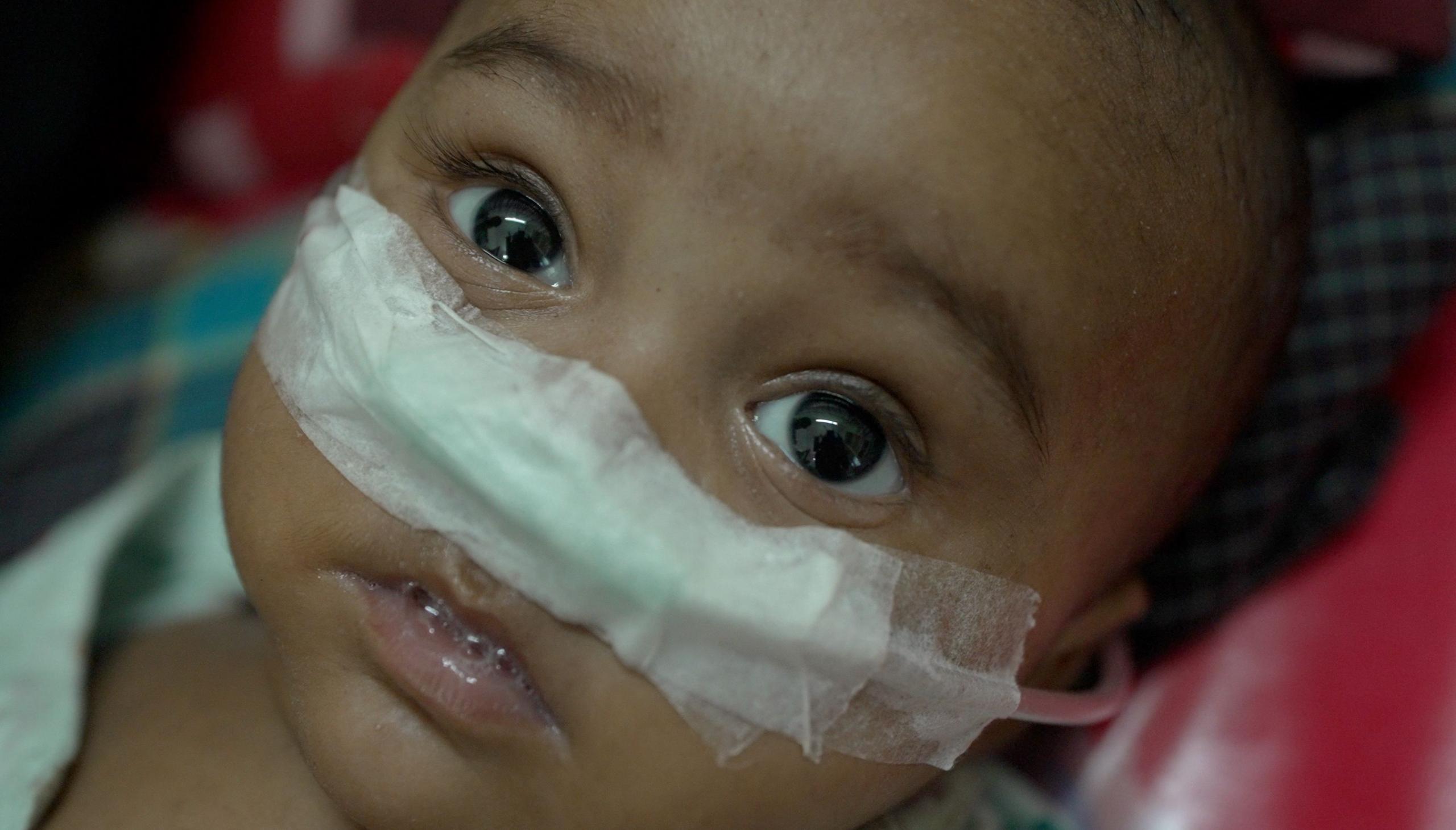
At 3am one May morning, three‑year‑old Bamita Markam convulsed and died the following dawn. Her mother, Koushila, first consulted a doctor, then a faith healer, but the little girl never recovered.
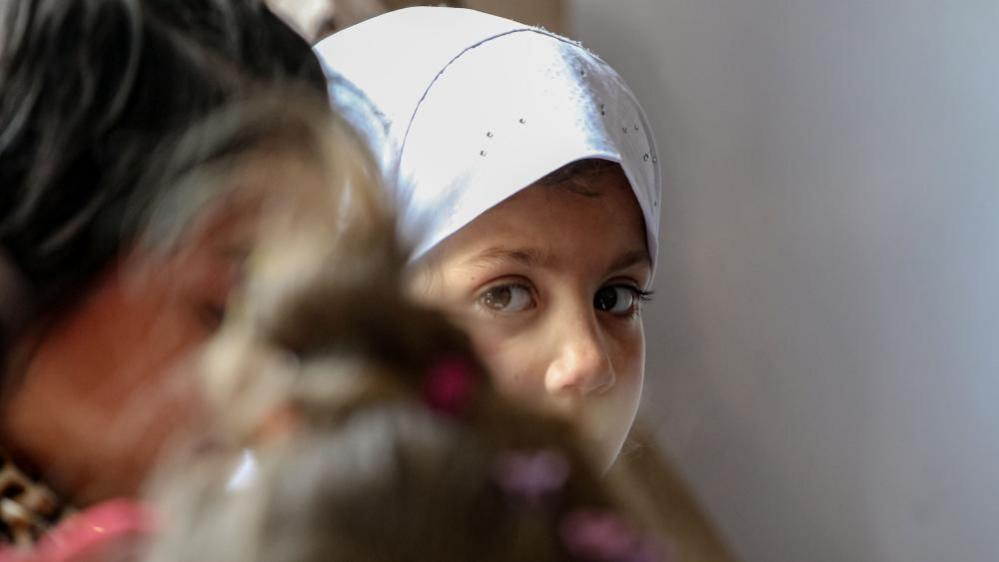
The death was one of at least 32 child fatalities recorded in five villages of Balaghat district, a region in Madhya Pradesh’s remote northern belt. Victims ranged from newborns to 18‑year‑olds, most belonging to the Baiga, one of India’s 75 "particularly vulnerable tribal groups".
Why are the children dying?
Officials attribute the deaths mainly to measles and malaria, often compounded by malnutrition and delayed treatment. An 8‑sample test on 7th August showed six confirmed cases of measles and four negative. The same samples also revealed overlapping infections such as scabies and bacterial skin eruptions.
In the densely vegetated villages, a single rainy day can make a 70‑km trek to the nearest 100‑bed hospital in Birsa impossible. When children fall ill, families often hold out to complete a ritual of bathing and offering to the disease goddess before seeking medical help.
The response so far
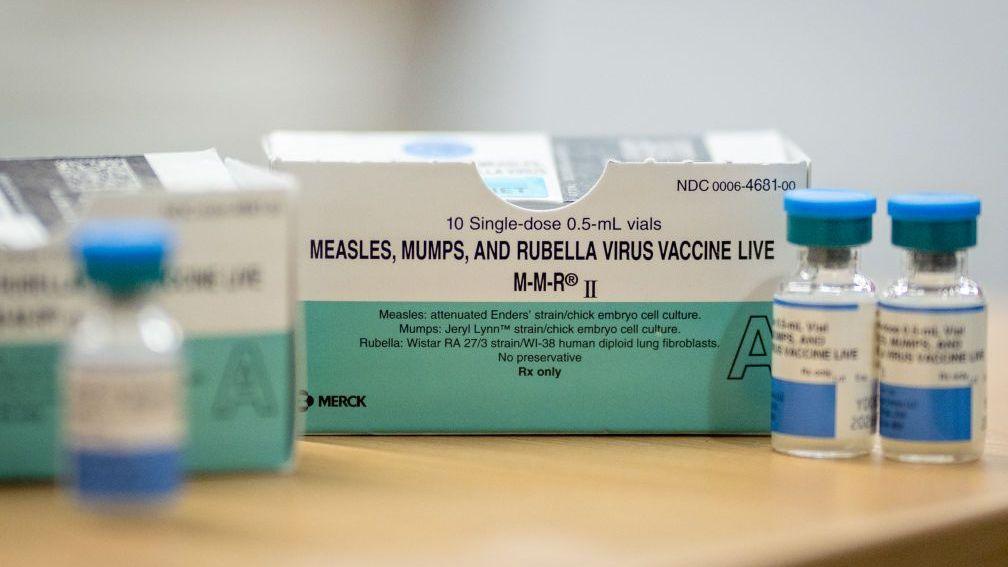
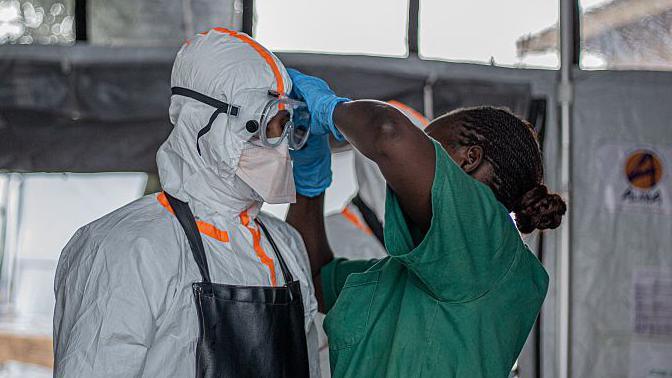
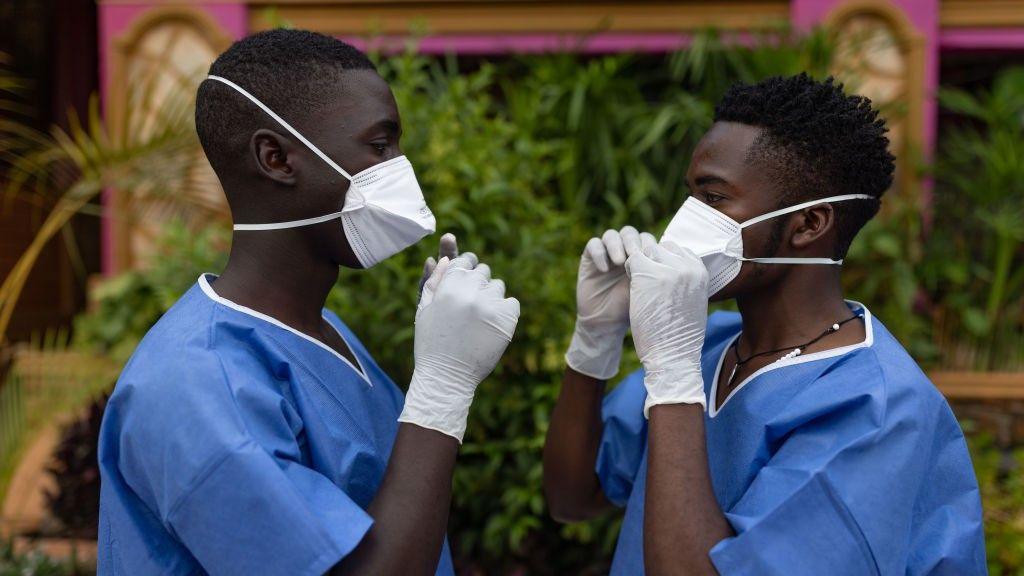
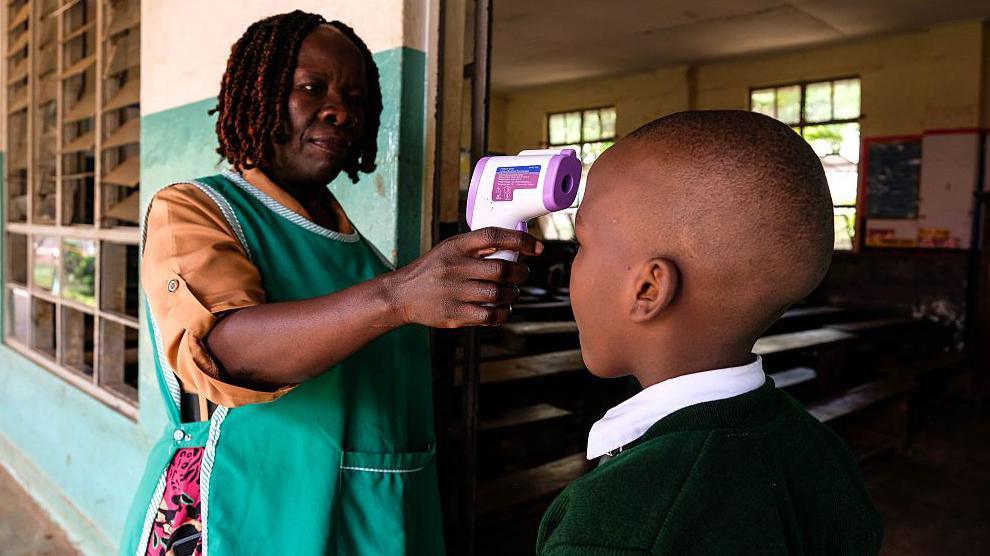
Health workers have set up 20 mobile units, carried out door‑to‑door screening and administered measles‑rubella shots to over 27,000 children. More than 6,200 patients were treated at home, and 630 were referred to district hospitals. Yet a 2024 audit exposed serious irregularities in the distribution of take‑home rations critical for child nutrition.
The outbreak has subsided, but the underlying vulnerabilities—malnutrition, cultural barriers and a shortage of reliable health services—remain a threat to the Baiga communities.