In brief
Uganda has released its lone Ebola patient, ending a 12‑month outbreak that began following a case involving a man from the Democratic Republic of Congo. Health Minister Dr Chris Baryomunsi celebrated the moment as a ‘moment of joy’ during a ceremony at the national hospital. The government has already recorded 20 confirmed cases, including two deaths, and has enforced strict screening, isolation and contact‑tracing protocols. With no new cases detected, Uganda will count down a 42‑day period before it can officially call itself Ebola‑free. Health officials continue to urge vigilance, advising anyone with fever or bleeding symptoms to seek rapid medical care.
On 16 July 2026, Uganda’s last Ebola patient was discharged from Kampala’s National Referral Hospital, ending the country’s most recent outbreak of the Bundibugyo species.
Health Minister Dr Chris Baryomunsi marked the occasion with a ceremony, calling it a "moment of joy" and highlighting the success of early detection and prompt treatment. The patient had arrived from the neighbouring Democratic Republic of Congo, the outbreak’s epicentre.
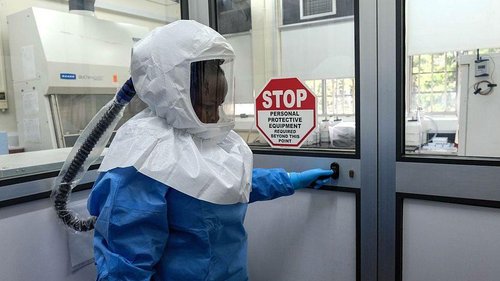
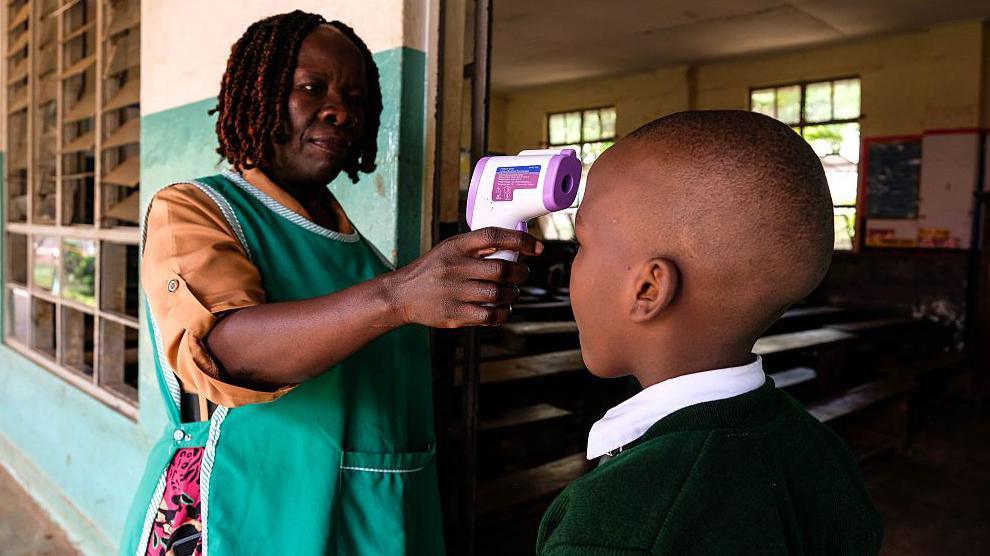
Since the outbreak was declared in May, Uganda has reported 20 confirmed cases – mostly travelers from Congo – and two deaths. In response, authorities tightened screening and maintained strict isolation, contact‑tracing and targeted public‑health messaging.
Moving forward, a 42‑day countdown will start. Should no new transmissions appear, Uganda will be officially declared Ebola‑free. Meanwhile, the ministry urges citizens to remain vigilant and seek immediate care for symptoms such as fever, vomiting, diarrhoea or unexplained bleeding.
The broader region outside Uganda has reported over 2,000 confirmed infections and 796 deaths in the Democratic Republic of Congo, with WHO estimating actual figures could be four times higher. The U.S. has also tightened travel restrictions for citizens returning from Congo.
Ebola’s history in Uganda is well documented, and the country’s robust protocols now form the backbone of its outbreak response. These include isolation of suspected cases, rigorous contact‑tracing and continuous public‑health education.