Gaza’s Women Face Rising Abuse as Conflict Grinds On

UNFPA’s recent findings reveal a rapid increase in gender‑based violence (GBV) against women and girls in Gaza. The surge includes early and forced marriage, a trend the agency’s data indicate has risen by 123 % from Q1 to Q2 2026.
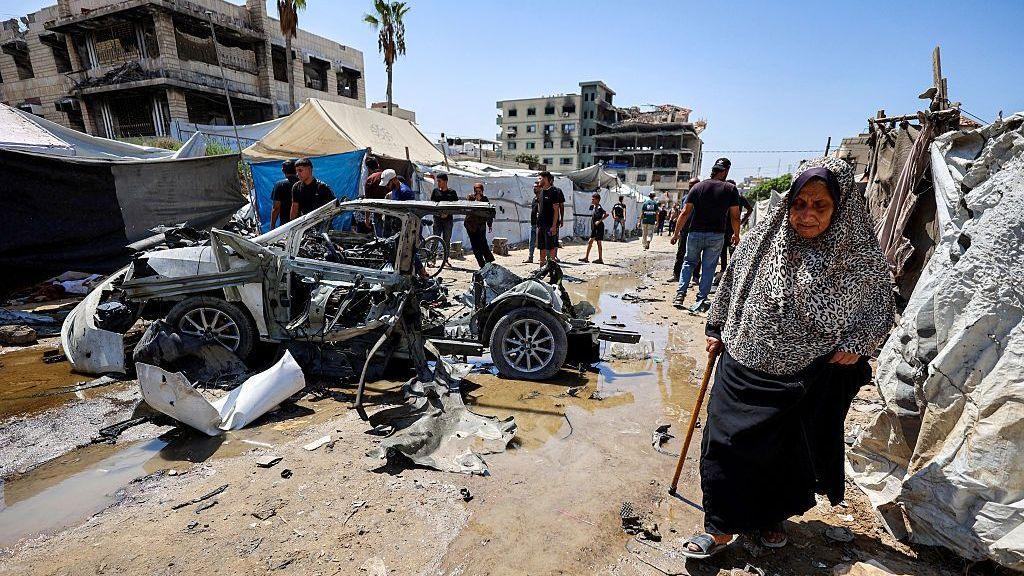
The war’s prolonged nature has created conditions in which girls face the risk of sexual violence, coerced marriage, and untreated physical abuse. UNFPA’s analysis, built from data gathered by ten organisations, stresses that the conflict has “destroyed social structures” leaving “no system” to protect vulnerable populations.
Testimonies from 230 women in Gaza’s displacement camps show chilling patterns: rape survivors are often married to their attackers to stave off shame, and some families sell daughters to secure scarce food. One woman recounted a 14‑year‑old who was wed after both parents died; her uncles used the marriage to offload responsibility.
In the second quarter, documented forced‑marriage cases increased markedly, with early marriages involving girls aged 12‑17 now at 2.7 % of all GBV reports—up from 2.1 % in Q1. Overall sexual violence incidents grew by 61 % in absolute numbers, making them a critical issue in the region.
UNFPA notes that nearly a quarter of households are now headed by women, reflecting widows or men who are detained or missing. In some camps, women are advised to relocate under the guise of “safety,” yet these moves often place them at further risk.
Health experts warn that early motherhood carries severe health risks, including miscarriages and low‑birth‑weight infants, because adolescent girls lack the physiological maturity for pregnancy.
Humanitarian agencies call for improved shelters, upgraded sanitation, and adequate lighting in Gaza—directives that Israel restricts due to dual‑use concerns. Only through such measures, they argue, can the danger to women’s safety be significantly reduced.
While Gaza’s future remains uncertain, many women hope for a safer and more stable environment where their rights can be upheld and their voices heard.