In brief
DR Congo is launching a trial of the Ervebo vaccine against the Bundibugyo strain of Ebola, amid a rapidly spreading outbreak that has already claimed nearly 2,500 lives. WHO has described the situation as "faster and wider" than any prior response. A Save the Children report highlights the toll on children, while M23 rebels in eastern Congo have imposed travel restrictions following new cases. The trial will use 20,000 doses to evaluate efficacy, with an additional 50,000 doses for frontline workers. The challenges of conflict, mistrust, and cultural burial practices compound the outbreak response.
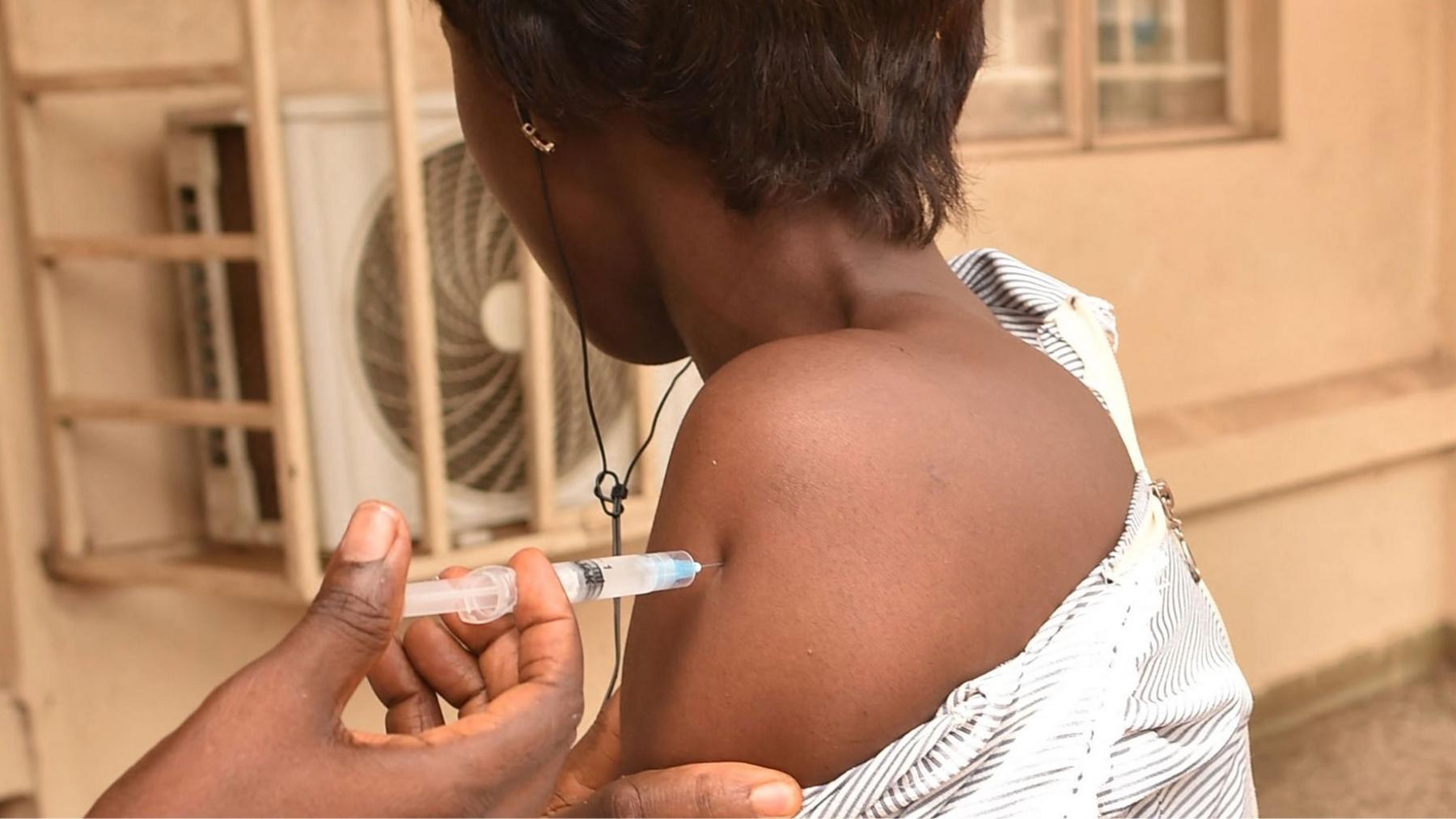
The Democratic Republic of the Congo is preparing to roll out an Ebola vaccine, with a portion of the supply earmarked for a clinical trial to test its effectiveness against the Bundibugyo strain that has been circulating in the country.
The Ervebo vaccine is known to protect against the Zaïre species of Ebola, but there is no proven vaccine or treatment for Bundibugyo; nevertheless health authorities hope it may offer partial protection.
The World Health Organization has warned that the outbreak is now growing exponentially, with infections spanning an area larger than France and nearly 2,500 people dead since the outbreak began three months ago.
WHO Ebola coordinator Julien Harneis said that half of the deaths occurred in the last 20 days, describing the spread as “faster and wider than the Ebola response.”
A Save the Children report says that at least 180 Congolese children have lost both parents or caregivers and that the outbreak is the deadliest in DR Congo’s history, second only to the 2014‑2016 West Africa outbreak.
Experts believe that the virus may have been spreading since February, with early cases being misdiagnosed as typhoid or malaria.
Conflicts, mistrust of health workers, and cultural burial practices have hampered the response, but WHO has committed 20,000 doses for the trial and 50,000 for frontline health workers.
Meanwhile, the M23 rebel group in eastern DR Congo has imposed a month‑long restriction on shared taxis and passenger boats between government‑held and rebel‑held areas following two confirmed Ebola cases, underscoring the challenges of managing an outbreak amid hostilities.
Ebola is rare but deadly, and the Bundibugyo species is even rarer, with only two prior outbreaks. Symptoms include fever, headache, fatigue, vomiting, and diarrhea; contact with bodily fluids is the main transmission route.