In brief
Bangladesh’s measles outbreak, rising sharply in March, has led to nearly 750 deaths and 1,000 new cases per day, threatening the nation’s progress toward elimination. High vaccination coverage fell to 90% before a sudden shortage of doses stalled routine immunisation. Hospitals in Mymensingh are double‑full, with patients forced to lie on mats while medical supplies are scarce. In response, the government has launched a mass‑vaccination campaign, inoculating 18.4 million children, but the epidemic continues, exposing gaps in health funding and procurement processes.
"I have never seen an outbreak this huge," says paediatrician Dr Mohammed Golam Mawla as we go around a measles ward in Mymensingh. Until March this year Bangladesh had reached a point of “substantial progress” toward measles elimination, with vaccination rates that exceeded 90 %. The rapid slide into a deadly epidemic is a stark reminder that a single lapse in vaccine delivery can undo years of vaccine successes.
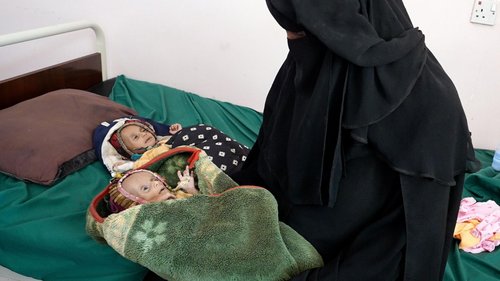
Since March, government reports show almost 750 people, mostly children, have died from measles – a highly contagious disease spread through air droplets. UNICEF estimates the true number is far higher, citing overwhelmed health systems and data‑collection difficulties. On the ground, families have no choice but to occupy beds on the floor, while a ward at Medical College Hospital holds 130 patients in just 32 rooms.
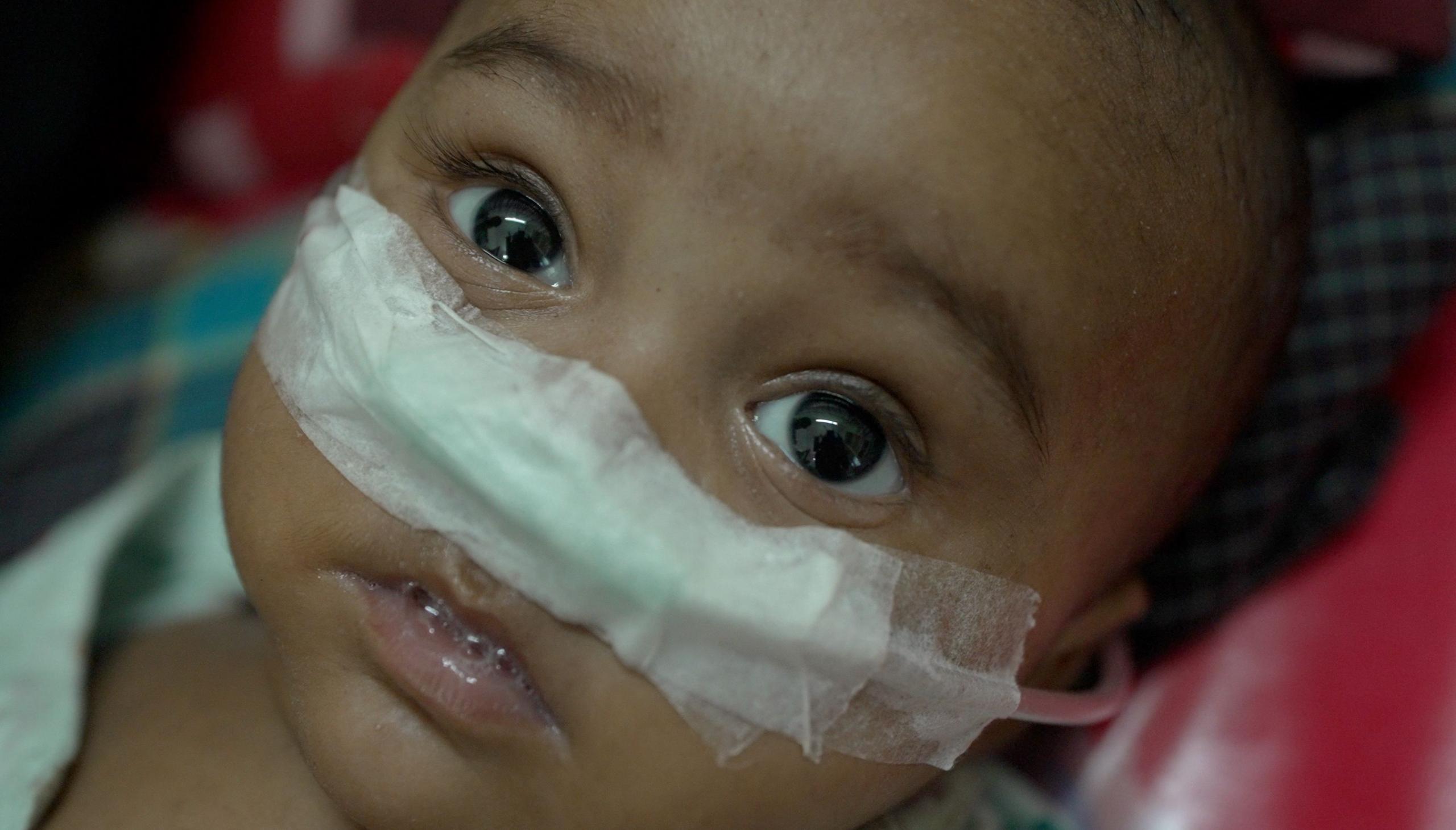
The infant “Arafat”, at just four months old, is one of those who have not survived the disease. With a tiny nose that cannot accommodate a conventional oxygen tube, doctors had to bandage and tape a nasal cannula to keep him alive.
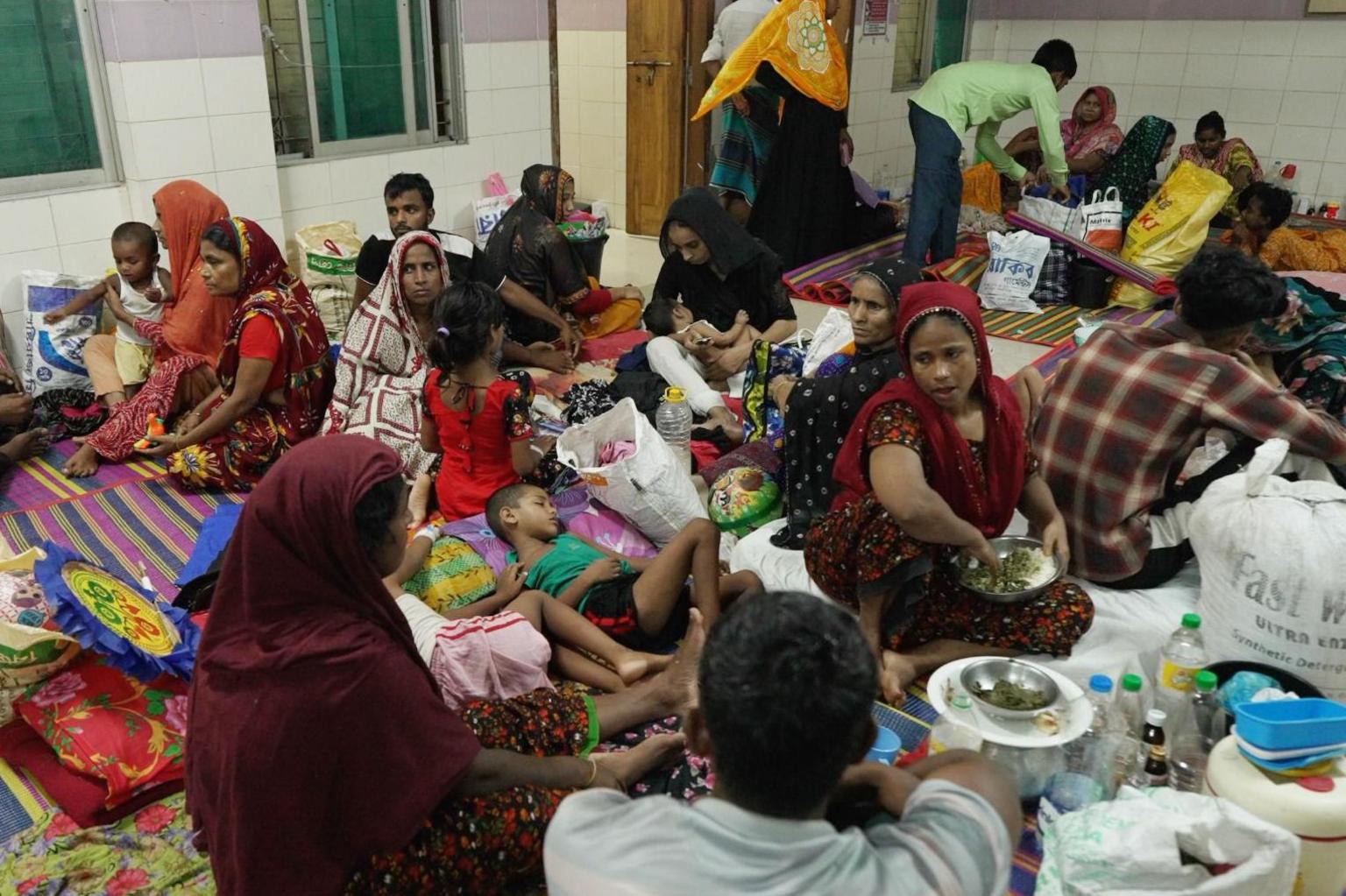
Meanwhile, the pandemic’s shadow is still visible. In early 2020, routine measles‑rubella mass campaigns stopped, leaving a cohort of unvaccinated children. Combined with Eid‑holiday travel, vaccine procurement delays, and a fragile health supply chain, the outbreak surged.
UNICEF’s Muñoz described the situation as a "perfect storm" – delayed vaccine orders triggered a ripple effect that widened the gap between needs and supply. The interim government, which took power after a 2024 protest toppling former PM Sheikh Hasina, has been accused of slowness in ordering vaccines. Criticism from former ministries and public health experts highlights a mix of political inertia and crisis management.
In April, a national emergency vaccination drive was launched. More than 18 million children have now received shots, yet Bangladesh still records close to 1 000 suspected cases daily. Health Minister Sardar Sakhawat Hossain worries about limited infrastructure but insists the situation is expected for a country with 170 million people.
International observers point out that the outbreak is a reminder of the need for continuous vaccine coverage – even while pandemics strain resources. The data may be an under‑report, but the humanitarian toll is indisputable.
The government’s appeal for emergency immunisation will continue as hospitals iterate between emergency care and long‑term vaccination strategies. Families like that of Maliha and Arafat have paid large sums or taken loans, only to see their children succumb to preventable complications.
Moving forward, Bangladesh’s experience underlines how fragile global health gains are in the face of political turbulence, supply chain breakdowns, and emerging crises like COVID‑19.