In brief
The Democratic Republic of Congo has seen a devastating outbreak of the Bundibugyo strain of Ebola. First identified in February 2026 before the official declaration on 15 May, the outbreak has claimed nearly 2,000 lives, making it the worst since the 2014‑2016 West African epidemic. Health authorities are struggling to reach the majority of patients because of conflict, risky burial practices and low public trust. WHO Africa director Mohamed Janabi has warned that the virus is ahead of the response, and called for a fast‑track approach. New treatment centres and quicker diagnostics give hope, but security and resource gaps continue to hinder containment.
The Democratic Republic of Congo (DRC) experienced a severe Ebola outbreak that began months before authorities recognised it, crushing the country’s capacity to contain the disease, the World Health Organization warned on Wednesday.
Since the official declaration on 15 May, more than 1,900 people have died from the Bundibugyo strain, and 4,294 confirmed cases have been recorded. This marks the second‑worst Ebola event after the 2014‑2016 West African epidemic.
The outbreak’s epicentre is the east of DRC, where insecurity slows medical response and direct contact with the infected – especially during traditional burial rituals – fuels spread. Moreover, no approved vaccine or therapeutic drugs exist for Bundibugyo, making treatment even harder.
"We are chasing the virus; the virus is ahead of us," WHO Africa director Dr. Mohamed Janabi said in a press conference in Bunia. He pointed out that the disease had begun to circulate in February but was initially misdiagnosed as malaria or typhoid, and that security gaps mean health workers can only reach about 30 % of the cases.
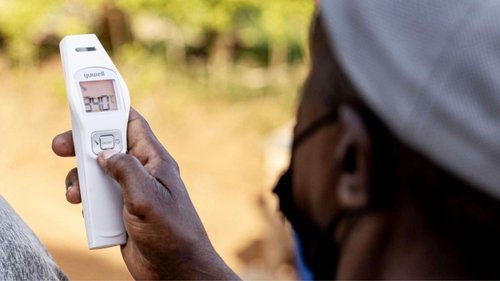
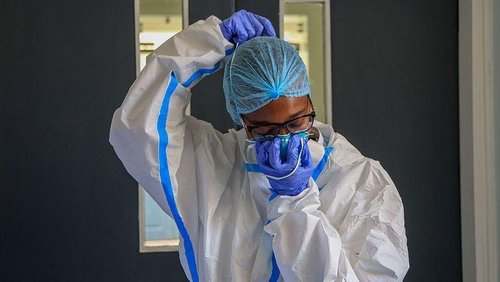
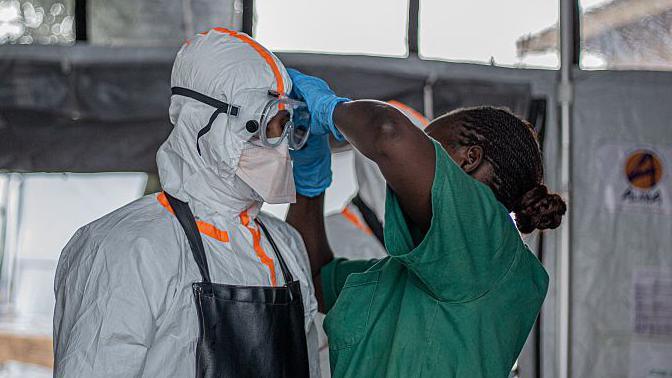
Health workers are now establishing dedicated treatment centres across the east, speeding up diagnosis and improving care. Yet the combined impact of insecurity, cultural practices and mistrust continues to pose a major barrier to containment.
For more on the DRC’s situation and other Afrofocused news, visit BBCAfrica.com or follow BBC Africa on Twitter, Facebook and Instagram.