In brief
An outbreak in Pretoria’s Tshwane area has sickened more than 400 residents, many of them under four, following exposure to tap water found to contain high levels of E. coli and other pathogens such as norovirus and campylobacter. The water comes from a local treatment plant that has failed to issue a warning to communities east of the capital. Health officials advise that the tap supply be deemed unfit for drinking or cooking and that residents use only clean tap water to flush toilets, while water tankers deliver safe drinking water to affected townships.
by Khanyisile Ngcobo – Johannesburg
In a span of just over two weeks, more than 400 people, the majority of them children under four, have fallen ill with stomach cramps and diarrhoea after consuming tap water in several townships east of Pretoria’s capital city, Tshwane.
Laboratory investigations detected high concentrations of E. coli and a range of other pathogens – including norovirus, campylobacter, shigella and several other stomach‑irritating agents – in the water supplied by a local treatment plant that serves several communities.
Despite the scale of the outbreak, the government initially failed to warn residents about the contaminated supply. The water is now declared unfit for human consumption and is restricted to toilet flushing only.
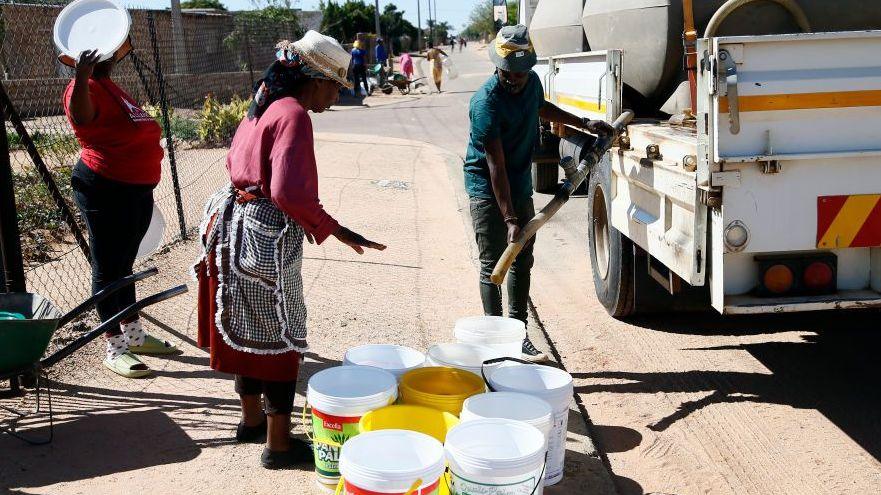
Officials have dispatched tanker trucks to deliver safe drinking water, and residents are instructed to discard any previously stored water, disinfect containers with household bleach, and avoid cooking with the tap supply until a new safety assessment is issued.
Past incidents, including a fatal cholera outbreak in Hammanskraal in 2023 and a 2025 typhoid surge in the same region, underscore the chronic vulnerability of South Africa’s water infrastructure.
Additional reporting by Pumza Fihlani